Concrete Repair: The Art of Extending a Concrete Structure's Lifespan
Concrete repair is a critical aspect of maintaining the integrity and longevity of concrete structures, especially in large infrastructure projects like bridges and tunnels. One method to achieve this is low-pressure epoxy injection, a minimally invasive technique that can significantly extend the lifespan of concrete without the need for major reconstruction.
Why This Matters
Concrete structures are essential for modern infrastructure, providing support for bridges, tunnels, and buildings. Over time, these structures can develop deep cracks, which, if left untreated, can weaken the steel reinforcement inside, leading to structural failure. This makes effective concrete repair techniques not just a matter of maintenance, but a crucial aspect of public safety and economic stability.
The Low-Pressure Epoxy Injection Technique
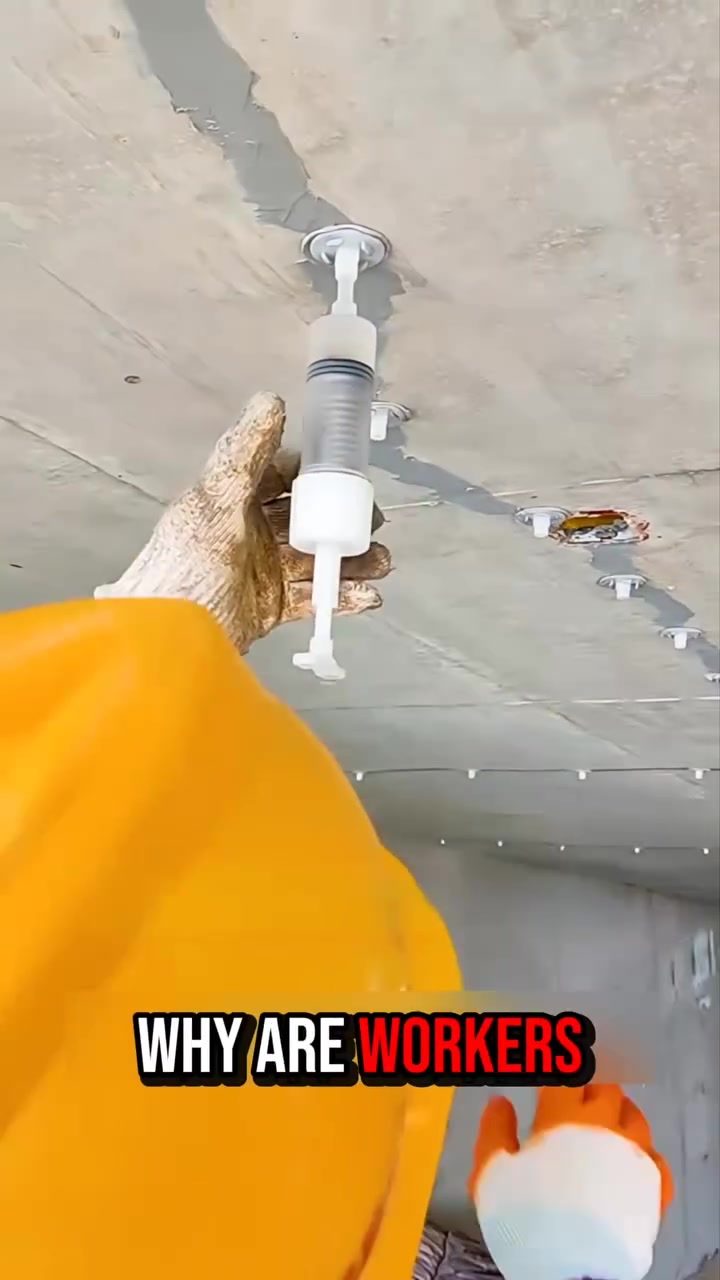
When concrete develops deep cracks, those fissures can keep spreading, eventually weakening the steel reinforcement inside. This is where low-pressure epoxy injection comes into play. Workers attach special injectors along the cracks and fill them with epoxy resin. The resin is then slowly pushed deep into the damaged areas, filling every gap and void inside the concrete. Once the epoxy hardens, it bonds the cracked sections back together, sealing the damage from within and helping restore the structure's strength.
The Process
Concrete repair typically involves several steps, each crucial for ensuring the effectiveness of the epoxy injection process. Here’s a breakdown of how it works:
1. Assessment
The first step in any concrete repair project is a thorough assessment of the damage. Engineers and construction professionals examine the cracks to determine their depth, width, and the extent of the damage. This assessment helps in deciding the appropriate repair technique and the amount of epoxy resin needed.
2. Preparation
Before applying the epoxy resin, the cracks need to be prepared. This involves cleaning the cracks to remove any debris, dirt, or other contaminants that could interfere with the bonding process. The surface is often cleaned with compressed air or water to ensure a clean, dry surface for the epoxy.
3. Injection
Once the cracks are prepared, special injectors are attached along the cracks. These injectors are connected to a reservoir of epoxy resin, which is then slowly pushed into the cracks. The low-pressure injection ensures that the resin is evenly distributed, filling every gap and void. This process is critical in restoring the structure's strength and integrity.
4. Curing
After the injection, the epoxy resin is allowed to cure. The curing time can vary depending on the type of epoxy used and the environmental conditions. During this time, the epoxy bonds with the concrete, creating a strong, durable seal that restores the concrete's strength and prevents further damage.
Restoring and Maintaining Concrete Structures
The low-pressure epoxy injection technique is widely used on bridges, tunnels, and other concrete structures. This method is particularly effective because it is minimally invasive, extending the lifespan of the structure without the need for major reconstruction. This not only saves time and money but also minimizes disruption to traffic and public life.
Applications
Bridges
Bridges are among the most common structures that benefit from epoxy injection. Due to their constant exposure to weather, traffic, and other environmental factors, bridges are often prone to developing cracks. Epoxy injection helps repair these cracks, ensuring the bridge's structural integrity and safety.
Tunnels
Tunnels, especially those in mountainous regions, are prone to cracking due to pressure and seismic activity. Epoxy injection can help repair these cracks, preventing water seepage and maintaining the tunnel's stability. This method is particularly useful in tunnels where accessing the cracks can be challenging.
Buildings
Concrete structures, including buildings, can also benefit from epoxy injection. This method can repair cracks in building foundations, walls, and other concrete elements, ensuring the structure's longevity and safety.
Practical Tips
When it comes to concrete repair, several practical tips can help ensure the best results:
1. Regular Inspections
Regular inspections of concrete structures can help detect cracks and other damage early. Early intervention can prevent the damage from worsening, making repairs easier and more cost-effective.
2. Use the Right Epoxy Resin
Choosing the right epoxy resin is crucial for effective repairs. Different types of epoxy resins are available, each suited for specific applications. For example, some epoxies are designed for high-strength bonding, while others are more flexible and can withstand movement.
3. Proper Cleaning and Preparation
Ensure that the cracks are thoroughly cleaned and prepared before applying the epoxy resin. This includes removing any debris, dirt, or contaminants that could interfere with the bonding process.
4. Follow the Manufacturer’s Instructions
Always follow the manufacturer's instructions when using epoxy resins. This includes the proper mixing, application, and curing procedures to ensure the best results.
5. Seek Professional Help
Concrete repair, particularly using epoxy injection, can be a complex process. It is often best to seek the help of professionals who have the experience and expertise to perform the repairs effectively.
Important Takeaways
The low-pressure epoxy injection technique is a versatile, effective method for repairing concrete structures. It can significantly extend the lifespan of bridges, tunnels, and other concrete infrastructure without the need for major reconstruction. By understanding the process and following best practices, you can ensure that your concrete structures remain strong and durable for years to come.
Conclusion
Concrete repair, specifically through the use of low-pressure epoxy injection, is a vital aspect of maintaining the integrity and longevity of concrete structures. This method offers a minimally invasive solution to repairing deep cracks, restoring the structure's strength, and ensuring its safety. Whether you're dealing with bridges, tunnels, or buildings, understanding and applying this technique can help you maintain your concrete infrastructure effectively.
Watch the Reel
Questions readers ask
What is low-pressure epoxy injection and how does it work?
Low-pressure epoxy injection is a repair technique used for concrete structures. It involves injecting epoxy resin into cracks under low pressure, filling voids and restoring the concrete's strength. This process helps prevent further damage and enhances the structure's durability.
Why is low-pressure epoxy injection considered minimally invasive?
This technique is minimally invasive because it does not require major reconstruction or removal of large concrete sections. Instead, it targets specific cracks, making it a more efficient and cost-effective solution for repairing concrete structures.
How does epoxy injection improve the structural integrity of bridges?
Epoxy injection improves bridge structural integrity by filling cracks and sealing voids, which prevents water and other corrosive elements from reaching the steel reinforcement. This process restores the concrete's strength and extends the bridge's lifespan.
What are the benefits of using epoxy resin for bridge repair?
Epoxy resin is beneficial for bridge repair because it is durable, water-resistant, and bonds well to concrete. It effectively fills cracks, prevents corrosion, and restores the structural integrity of the bridge, making it a reliable choice for long-term repairs.
When should low-pressure epoxy injection be used for concrete repair?
Low-pressure epoxy injection should be used when concrete structures, such as bridges or tunnels, develop cracks that, if left untreated, could lead to further damage and structural failure. This method is ideal for addressing cracks that compromise the structure's integrity and durability.
Can low-pressure epoxy injection be used for all types of concrete cracks?
Low-pressure epoxy injection is typically used for cracks that are actively leaking or have the potential to compromise the structure's integrity. It is most effective on cracks that are not too wide or deep, as these may require more extensive repair methods.
What are the steps involved in the low-pressure epoxy injection process?
The low-pressure epoxy injection process begins with surface preparation, where the crack is cleaned and sealed. Next, injection ports are installed along the crack. Epoxy resin is then injected into the crack under low pressure, filling voids and restoring strength. Finally, the injection ports are removed, and the surface is finished.
Recent articles
Fresh deep dives from the latest Reels we unpacked.




Comments
Be the first to comment.