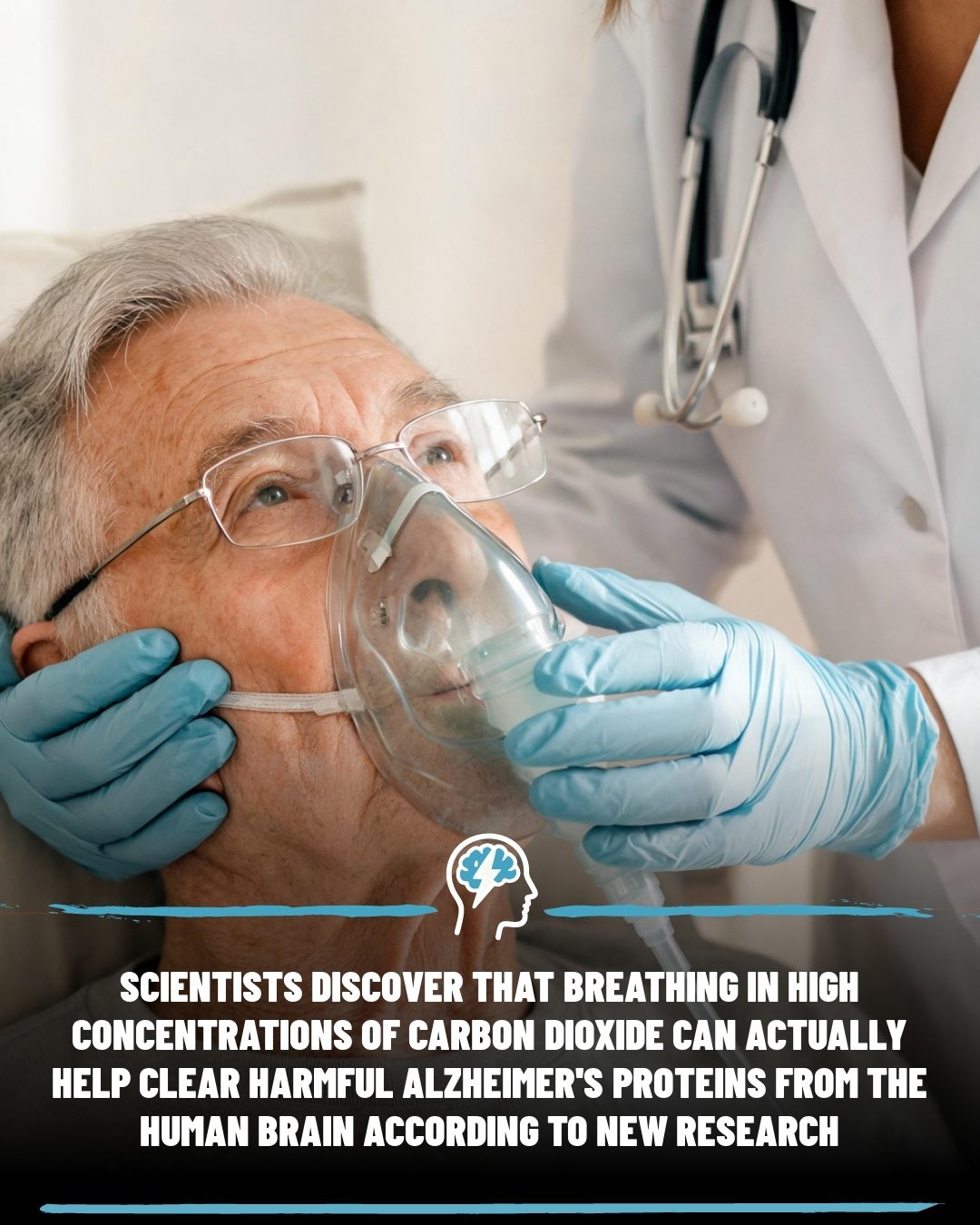
Alzheimer's Research and the Potential of Carbon Dioxide Therapy
Recent discoveries in Alzheimer's research have shed light on an unexpected potential treatment: carbon dioxide. Scientists have found that controlled doses of carbon dioxide (CO2) can enhance blood flow in the brain, acting like a pressure washer to clear harmful proteins linked to cognitive decline.
Context: Why This Matters
Alzheimer's disease is a progressive neurological disorder that affects millions of people worldwide. Characterized by memory loss, cognitive decline, and behavioral changes, the condition is marked by the accumulation of toxic amyloid beta proteins in the brain. Current treatment options are limited, making new avenues of research crucial for those affected.
Breaking Down the Research
The Role of Carbon Dioxide
The recent findings focus on the impact of CO2 on brain function. When CO2 levels in the blood rise, brain vessels widen to maintain oxygen supply. This process, known as hypercapnia, increases circulation and activates the glymphatic system— the brain's natural waste removal network. This enhanced circulation helps flush out stagnant fluid and protein clumps, including amyloid beta, which are associated with Alzheimer's.
How It Works
The research indicates that hypercapnia can:
- Dilate Vessels: The increased CO2 levels cause blood vessels to widen, creating more space for fluid movement.
- Enhance Fluid Pressure: With more room for fluid, the pressure inside the brain increases, pushing stagnant fluid through the tissue.
- Flush Out Protein Clumps: The heightened pressure forces protein clumps, including the harmful amyloid beta, out of the brain for disposal.
Potential Benefits
The implications of this research are significant. In lab testing, animals exposed to short bursts of high CO2 levels showed fewer protein plaques compared to the control group. This suggests that the brain's own cleaning process can be triggered externally, potentially halting long-term damage before it starts. The speed of the clearing indicates that short, repeated sessions of CO2 exposure might be more effective than current surgical or drug regimens.
Practical Tips for Understanding the Research
What Does This Mean for Current Treatments?
While this research is still in its early stages, it opens the door to non-invasive therapies that could revolutionize how we approach Alzheimer's treatment. Future applications might include:
- Breathing Masks: Devices designed to safely regulate CO2 intake.
- Hyperbaric Chambers: Environments that control atmospheric pressure, enhancing the effects of CO2 exposure.
Staying Informed
For those interested in the latest developments in Alzheimer's research, it's essential to stay informed about ongoing studies and clinical trials. Keeping up with scientific breakthroughs can provide hope and new treatment options for those affected by the disease.
Important Takeaways
- Natural Waste Removal: The brain has a built-in system for removing waste, including harmful proteins associated with Alzheimer's.
- CO2 and Hypercapnia: Elevated CO2 levels can activate this system, clearing out amyloid beta and potentially halting cognitive decline.
- Non-Invasive Therapies: Future treatments might involve breathing masks or hyperbaric chambers, providing non-invasive and effective options.
- Early Stage Research: While promising, this research is still in its early stages. Continuing to track its development is crucial for those affected by Alzheimer's.
Conclusion
The discovery that controlled doses of carbon dioxide can activate the brain's natural cleaning system is a groundbreaking development in Alzheimer's research. This approach holds the promise of non-invasive therapies that could significantly impact how we treat and manage the disease. Staying informed and engaged with ongoing research will be key as this field continues to evolve, potentially offering new hope to those affected by Alzheimer's and their families.
Watch the Reel
Questions readers ask
What is CO2 therapy and how does it relate to Alzheimer's disease?
CO2 therapy involves the controlled administration of carbon dioxide. Recent research suggests that CO2 can enhance blood flow in the brain, which may help clear harmful proteins like amyloid beta, potentially slowing the progression of Alzheimer's disease.
How does CO2 therapy enhance brain blood flow?
CO2 therapy works by increasing the concentration of carbon dioxide in the bloodstream. This triggers the body's natural response to increase blood flow to the brain, acting similarly to a pressure washer to clear out toxic proteins.
Can breathing CO2 really help manage Alzheimer's symptoms?
Emerging research indicates that controlled doses of CO2 can activate the brain's natural waste removal system, potentially reducing the build-up of harmful proteins and slowing cognitive decline associated with Alzheimer's.
What are the benefits of CO2 therapy for brain health?
CO2 therapy may offer several benefits for brain health, including improved blood circulation, enhanced waste removal, and the potential to slow the accumulation of toxic proteins that contribute to cognitive decline.
Is CO2 therapy a proven treatment for Alzheimer's?
While CO2 therapy shows promising results in early research, it is not yet a proven treatment. More studies are needed to fully understand its effects and establish safe and effective protocols for its use in managing Alzheimer's disease.
How does CO2 therapy compare to other Alzheimer's treatments?
CO2 therapy differs from traditional Alzheimer's treatments by targeting the brain's natural waste removal system and improving blood flow. Current treatments often focus on managing symptoms, whereas CO2 therapy aims to address the underlying causes of cognitive decline.
What steps are involved in CO2 breathing therapy?
CO2 breathing therapy typically involves inhaling controlled doses of carbon dioxide, often mixed with oxygen. The process is usually administered under medical supervision to ensure safety and monitor the patient's response to the treatment.
Related deep dives
Similar reads based on topic and creator.



Recent articles
Fresh deep dives from the latest Reels we unpacked.




Comments
Be the first to comment.