Watermelon Seed Saving
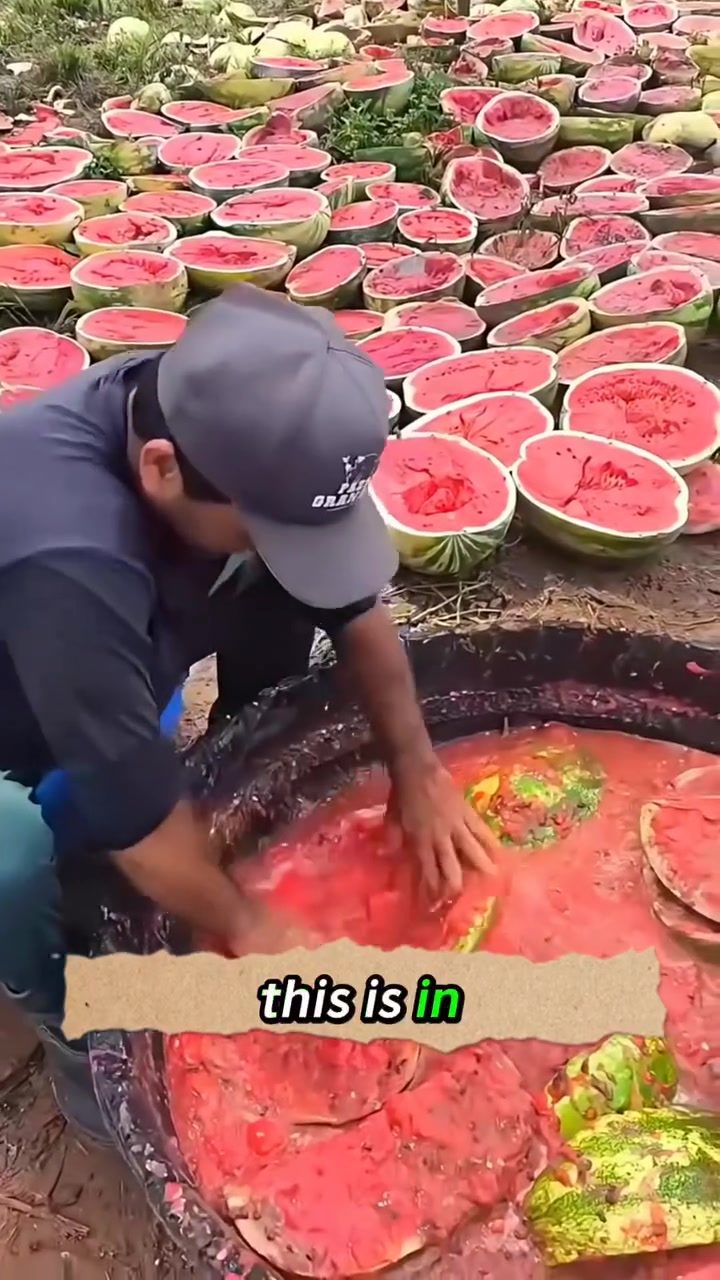
Watermelon seed saving is a traditional practice in many parts of Brazil, particularly in Bahia. At first glance, cutting open perfectly ripe watermelons might seem wasteful, but there’s a method to this process. Farmers in these regions have a long-standing tradition of saving seeds from the best watermelons to ensure future crops maintain the same quality and flavor.
Why This Matters
This tradition is not just about saving money; it’s also about preserving the unique characteristics of the watermelons that thrive in local climates. In a world where commercial farming often relies on hybrid seeds, this traditional method ensures that the local varieties maintain their sweetness, juiciness, and flavor. It’s a sustainable practice that keeps farming costs low and ensures that each new crop remains true to its original quality.
Main Discussion
The Process of Seed Saving
In Bahia, the watermelon seed-saving process begins after the harvest. Farmers meticulously select the largest and sweetest watermelons. These are the ones that would be most likely to yield the best seeds. The process involves several steps:
- Selection: Choosing the ripest and most flavorful watermelons ensures that the seeds are of high quality.
- Extraction: The watermelons are then carefully cut open to extract the seeds. The flesh is crushed to separate the seeds from the pulp.
- Cleaning and Sorting: The seeds are cleaned, sorted, and dried. This step is crucial as it removes any remaining pulp and ensures the seeds are ready for storage.
- Storage: The dried seeds are then stored until the next planting season. Proper storage is key to maintaining the viability of the seeds.
Importance of Seed Saving
Seed saving is more than just a cost-effective practice; it’s a way to maintain the genetic diversity of crops. By saving seeds from the healthiest and most productive plants, farmers can ensure that future generations of crops are resilient and high yielding. This practice has been passed down through generations and continues to be a vital part of agricultural sustainability in Brazil.
Sustainability and Cost-Effectiveness
One of the primary benefits of seed saving is its cost-effectiveness. By reusing seeds from their own crops, farmers can significantly reduce costs associated with purchasing new seeds each season. This practice also promotes sustainability by reducing reliance on commercially produced hybrid seeds, which often require specific growth conditions and can be more expensive.
Preserving Local Varieties
Watermelon seed saving is crucial for preserving local varieties that have adapted to the specific climate and soil conditions of the region. These local varieties often have unique characteristics that make them ideal for their environment. By continuing this tradition, farmers ensure that future crops remain suited to the local conditions, maintaining the region's agricultural heritage.
Future of Seed Saving
The seed-saving tradition in Brazil is a testament to the resilience and adaptability of traditional farming practices. As more farmers adopt this method, it not only preserves local varieties but also promotes a more sustainable and cost-effective approach to farming. The tradition's continuity ensures that future generations can enjoy the same high-quality watermelons.
Practical Tips
If you are interested in starting your own seed-saving practice, consider the following tips:
- Select the Best: Always choose the healthiest and most productive plants for seed collection. This ensures that you are saving the best genetic material.
- Proper Cleaning: Thoroughly clean and dry the seeds to remove any remaining pulp. This helps in preventing mold and other storage issues.
- Storage Conditions: Store the seeds in a cool, dry place away from direct sunlight. Proper storage conditions can significantly extend the life of your seeds.
- Labeling: Clearly label your seeds with the variety name and the date of collection. This helps in keeping track of your seed stock and ensuring that you are using the right seeds for future planting.
Important Takeaways
- Seed Saving in Bahia, Brazil: Locals carefully select and harvest seeds from the ripest watermelons to maintain the quality and flavor of future crops.
- Cost-Effective and Sustainable: Seed saving reduces the need for buying new seeds, promoting sustainability and genetic diversity.
- Preserving Local Varieties: It helps preserve local watermelon varieties that are ideally suited to the region's climate and soil.
- Tradition and Future: Continuing this tradition ensures that future generations can benefit from high-quality, locally adapted watermelons.
Conclusion
Watermelon seed saving is a critical practice in Bahia, Brazil, that not only saves costs but also ensures the preservation of local watermelon varieties. This tradition, passed down through generations, is a sustainable and cost-effective way to maintain the quality and flavor of watermelons. By understanding and adopting this practice, farmers and gardening enthusiasts can contribute to a more sustainable and resilient agricultural future.
Watch the Reel
Questions readers ask
What makes Brazilian watermelon seed saving unique?
Brazilian watermelon seed saving is unique because it focuses on preserving local varieties that are best adapted to the climate of Bahia. This tradition ensures that the watermelons maintain their unique qualities, such as sweetness and juiciness, which are often lost in commercial farming.
How do Brazilian farmers determine which seeds to save?
Brazilian farmers typically select seeds from the healthiest and tastiest watermelons. This process involves tasting and examining each watermelon to ensure that only the best seeds are saved for the next season.
What are the benefits of traditional seed saving techniques?
Traditional seed saving techniques, like those used in Brazil, help maintain the genetic diversity of crops. This ensures that plants are well-suited to local conditions, reducing the need for pesticides and fertilizers, and promoting sustainability.
How does saving watermelon seeds contribute to sustainable farming in Brazil?
By saving seeds from the best watermelons, farmers in Brazil reduce their dependency on commercial hybrid seeds. This practice not only helps preserve local varieties but also lowers farming costs and minimizes environmental impact, making it a key aspect of sustainable farming.
Why is it important to clean watermelon seeds before saving them?
Cleaning watermelon seeds before saving them helps remove any debris, mold, or fungus that could compromise the seed's viability. This ensures that the seeds will germinate properly and grow into healthy plants, maintaining the quality of the crop. A simple way to do this is by fermenting the seeds in water for a few days.
Can these traditional seed saving methods be applied to other crops?
Yes, the principles of traditional seed saving can be applied to a wide range of crops. The key is to select the best seeds from the healthiest and most flavorful plants, and to clean and store them properly to ensure their viability for the next planting season.
How does climate adaptation play a role in Brazilian watermelon seed saving?
Climate adaptation is crucial in Brazilian watermelon seed saving because it ensures that the seeds are well-suited to the specific conditions of Bahia. By selecting and saving seeds from watermelons that thrive in the local climate, farmers can produce crops that are more resistant to diseases and pests, and require less maintenance.
Recent articles
Fresh deep dives from the latest Reels we unpacked.




Comments
Be the first to comment.