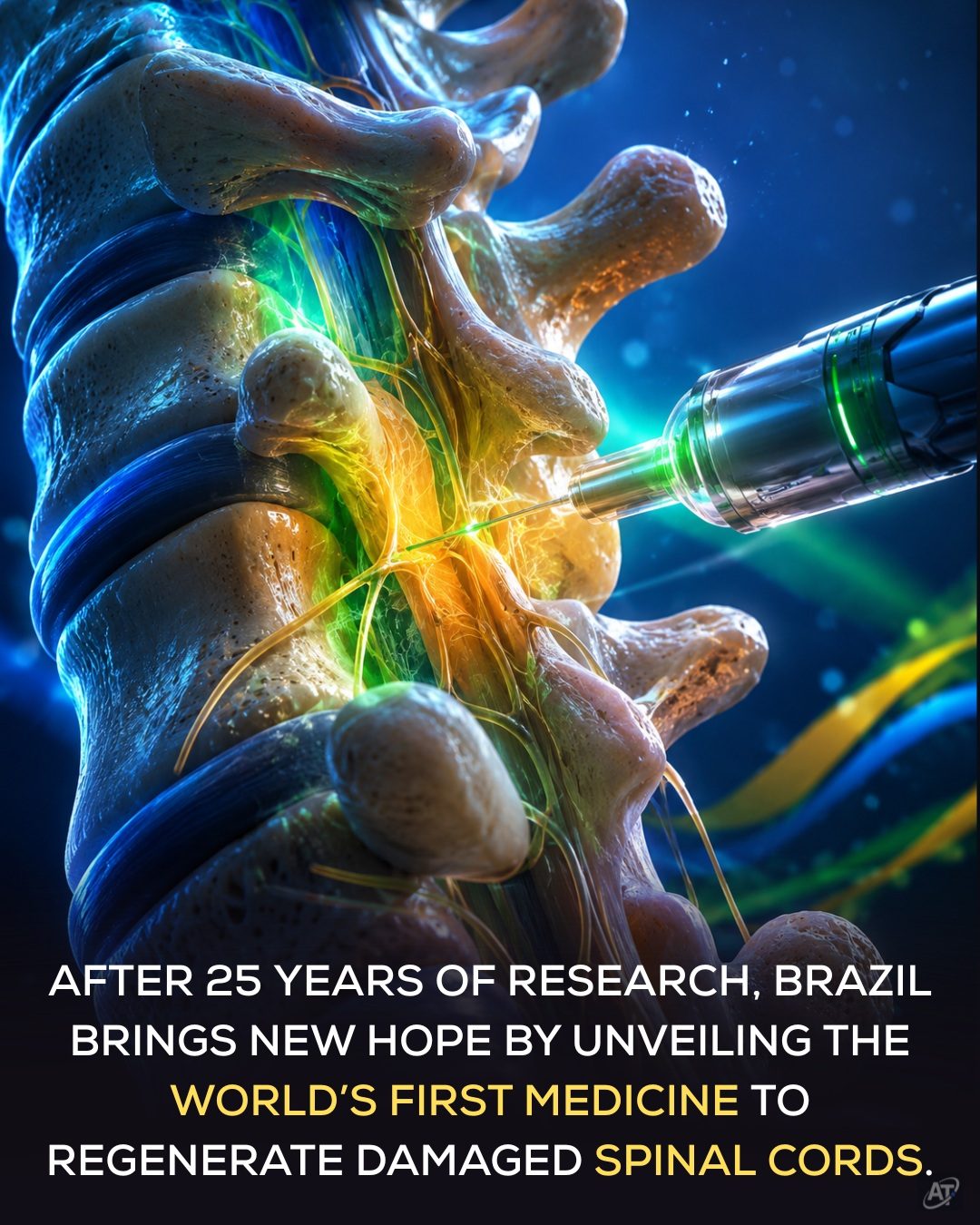
Spinal Cord Regeneration Medicine: A New Hope for Patients
More than 25 years of relentless research in Brazil have brought us to the threshold of a potential breakthrough in spinal cord injury treatment. The substance in question is called polylaminin, developed by researchers at the Federal University of Rio de Janeiro. It is designed to foster an environment that supports the regeneration of nerves damaged by spinal cord injuries.
This development is critical because spinal cord injuries present some of the most formidable challenges in modern medicine. Once the spinal cord is severely damaged, the body has very limited capability to repair the nerve pathways essential for movement and sensation. Early animal studies of polylaminin have yielded encouraging results. The Brazilian health regulator, Anvisa, has approved a Phase 1 clinical trial to test polylaminin in patients who have recently suffered complete spinal cord injuries.
The Importance of Polylaminin
Spinal cord injuries are life-altering events that can result in permanent paralysis and loss of sensation. The spinal cord is a complex network of nerves that transmit signals between the brain and the rest of the body. When damaged, these pathways can be irreparably severed, leaving patients with significant impairment. Polylaminin represents a potential game-changer in this field, offering hope for nerve regeneration and functional recovery.
Brazil's long-term investment in research has yielded a substance that could revolutionize how spinal cord injuries are treated. The early results of polylaminin trials, combined with the rigorous regulatory oversight by Anvisa, suggest that this therapy could be a pivotal step forward in spinal cord medicine. It is important to understand that while polylaminin is still in the early stages of clinical testing, it holds significant promise as a regenerative therapy.
The Clinical Trial and Its Significance
The Phase 1 clinical trial approved by Anvisa is a crucial milestone. It marks the transition from laboratory research to human testing, allowing scientists to assess the safety and efficacy of polylaminin in patients. This trial will focus on individuals with acute complete spinal cord injuries, where the potential for recovery is greatest.
The trial will address several key questions:
-
Is it Safe? The primary objective of a Phase 1 trial is to determine the safety of the treatment. Researchers will monitor participants for any adverse effects and adjust the dosage as necessary.
-
Who Might Benefit? Identifying the patient population that could benefit most from polylaminin is another critical goal. This includes understanding the optimal timing of treatment and the types of injuries most responsive to the therapy.
-
How Soon After Injury Must It Be Used? Timing is often crucial in spinal cord injury treatment. Researchers will explore the window of opportunity for polylaminin to be most effective.
-
Can It Improve Recovery Beyond Standard Treatment? Ultimately, the trial aims to determine if polylaminin can enhance recovery outcomes compared to conventional surgery and rehabilitation methods.
The Process of Spinal Cord Regeneration
Understanding the process of spinal cord regeneration is essential to appreciating the significance of polylaminin. When the spinal cord is injured, the body's natural response includes inflammation and the formation of scar tissue, which can further impede nerve regeneration. Polylaminin is designed to create a more supportive environment for nerve regeneration by promoting the growth of new nerve cells and pathways.
The medical device used to administer polylaminin is central to this process. The device, which is visually striking in its futuristic design, is designed to precisely deliver the substance to the damaged area of the spinal cord. This precise delivery is crucial for maximizing the therapeutic effect and minimizing potential side effects.
Practical Tips for Understanding Spinal Cord Injury Recovery
For individuals affected by spinal cord injuries and their families, staying informed about the latest developments in regenerative medicine is crucial. Here are some practical tips to navigate this complex area:
-
Stay Informed: Follow reputable sources of medical research, such as academic journals and trusted news outlets, to stay up-to-date on the latest developments in spinal cord injury treatment.
-
Seek Professional Advice: Consult with healthcare professionals who specialize in spinal cord injuries and regenerative medicine. They can provide personalized guidance and help you make informed decisions.
-
Participate in Clinical Trials: If eligible, consider participating in clinical trials. These trials offer access to cutting-edge treatments that may not be available through standard care.
-
Maintain a Positive Outlook: While it is essential to manage expectations, maintaining a positive outlook can be beneficial. Engaging in rehabilitation, staying active, and pursuing new interests can enhance quality of life and overall well-being.
-
Join Support Groups: Connect with others who have experienced spinal cord injuries. Support groups provide a valuable network for sharing experiences, advice, and emotional support.
Important Takeaways
Several important takeaways emerge from the ongoing research and clinical trials of polylaminin:
-
Hope Without Hype: While the early results of polylaminin are promising, it is essential to maintain a balanced perspective. This treatment is still in the early stages, and more research is needed to fully understand its potential.
-
Importance of Long-Term Research: The development of polylaminin highlights the value of long-term scientific investment. Decades of research have led to this breakthrough, underscoring the need for sustained investment in medical research.
-
Collaboration and Oversight: The collaboration between researchers, regulatory bodies, and healthcare providers is crucial for advancing spinal cord injury treatment. Rigorous oversight ensures that new therapies are safe and effective.
-
Impact on Daily Life: Even partial recovery from a spinal cord injury can profoundly change daily life. therapies like polylaminin offer the potential for improved functional outcomes and enhanced quality of life.
Conclusion
The potential of polylaminin as a regenerative therapy for spinal cord injuries represents a significant step forward in medical research. By fostering a more supportive environment for nerve regeneration, it offers hope to millions of people living with paralysis and severe spinal injuries. While the journey from laboratory to clinical application is long and challenging, the ongoing efforts and collaboration among researchers, healthcare providers, and regulatory bodies are paving the way for a brighter future.
Watch the Reel
Questions readers ask
What is polylaminin and how does it work?
Polylaminin is a new substance developed by Brazilian scientists to promote nerve regeneration. It creates an environment that supports the repair of nerve pathways damaged by spinal cord injuries, offering a potential solution where current treatments fall short.
Who developed polylaminin and where is the research being conducted?
Polylaminin was developed by researchers at the Federal University of Rio de Janeiro. The research has been ongoing for over 25 years, with a significant focus on addressing the challenges posed by spinal cord injuries.
How does polylaminin differ from existing treatments for spinal cord injuries?
Current treatments for spinal cord injuries have limited success in repairing severed nerve pathways. Polylaminin, on the other hand, is designed specifically to foster an environment conducive to nerve regeneration, potentially offering a more effective solution.
What are the initial results of polylaminin studies?
Early animal studies of polylaminin have shown promising results, indicating that it may be effective in supporting the regeneration of nerves damaged by spinal cord injuries. Further research is needed to confirm these findings in human trials.
Why is nerve regeneration crucial for spinal cord injury recovery?
Nerve regeneration is vital for spinal cord injury recovery because it allows for the repair of damaged nerve pathways essential to movement and sensation, while without regeneration, the body's ability to heal from such injuries is severely limited.
What makes spinal cord injuries so challenging to treat?
Spinal cord injuries are particularly challenging due to the limited capability of the body to repair the severe damage to nerve pathways. This makes traditional treatments less effective, highlighting the need for innovative solutions like polylaminin.
What are the next steps for polylaminin in the treatment of spinal cord injuries?
The next steps involve further testing and clinical trials to assess the efficacy and safety of polylaminin in human patients. If successful, this could pave the way for new treatment options for individuals suffering from spinal cord injuries.
Related deep dives
Similar reads based on topic and creator.



Recent articles
Fresh deep dives from the latest Reels we unpacked.




Comments
Be the first to comment.