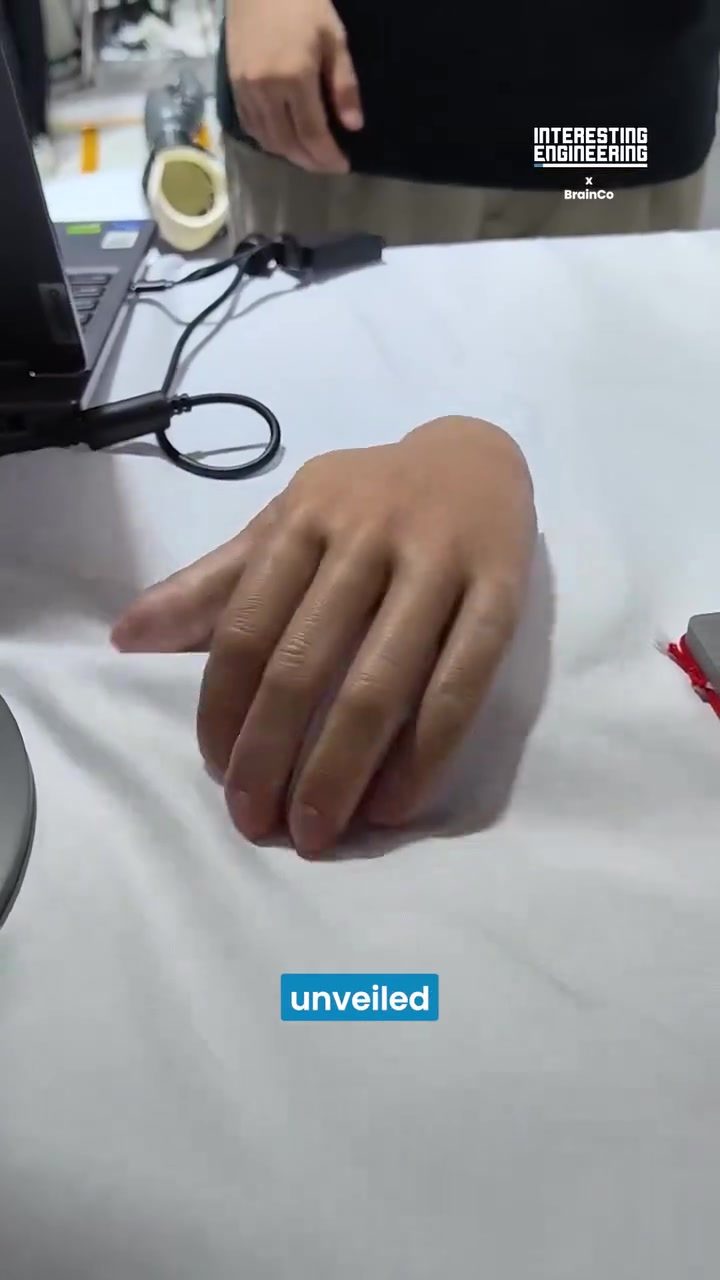
AI-Powered Bionic Hands: Revolutionizing Prosthetic Technology
Bionic hands, equipped with advanced AI capabilities, are transforming the lives of amputees by offering unprecedented levels of functionality and control. The latest developments in this field, exemplified by the AI-powered bionic hand from BrainCo, focus on interpreting electrical signals from muscles and nerves to enable precise, real-time movement.
Understanding the Technology
How AI-Powered Bionic Hands Work
The key innovation in AI-powered bionic hands lies in their ability to interpret electrical signals from the user's muscles and nerves. These signals are translated into precise finger movements in real time, allowing for a level of control that mimics natural hand function. This is achieved through sophisticated AI algorithms that analyze and respond to these biological signals with remarkable accuracy.
Wireless Operation and 21 Degrees of Freedom
One of the standout features of the AI-powered bionic hand is its wireless operation. This means the hand can function even when detached from the user's arm, offering unparalleled convenience and flexibility. The hand boasts 21 degrees of freedom, which refers to the number of independent movements it can perform. This high degree of freedom allows for complex and nuanced movements, making the hand highly functional in everyday tasks.
Tactile Sensing and Lifelike Design
In addition to its advanced movement capabilities, the bionic hand features tactile sensing, which provides users with a sense of touch. This sensory feedback is crucial for performing tasks that require delicate manipulation and fine motor skills. The lifelike design of the hand further enhances its functionality by making it more comfortable and aesthetically pleasing to use.
Why This Matters
Enhancing Quality of Life
For amputees, the advent of AI-powered bionic hands represents a significant improvement in quality of life. The ability to perform tasks with a level of precision and control that closely mirrors natural hand function can greatly enhance daily activities, from dressing and eating to more complex tasks like typing or using tools. This technology aims to restore not just functionality, but also the confidence and independence that come with it.
Advancements in Medical Technology
The development of AI-powered bionic hands is a testament to the rapid advancements in medical technology. The integration of AI, neural interfaces, and biomechanics has led to prosthetics that are more functional, responsive, and user-friendly than ever before. This progress holds promise for further innovations in the field, potentially leading to even more sophisticated and effective prosthetic solutions.
Practical Tips for Users
Choosing the Right Prosthetic
Selecting the right prosthetic is a crucial step for amputees. It's important to consider factors such as functionality, comfort, and customization options. Consulting with healthcare professionals and prosthetists can help in making an informed decision. Additionally, trying out different models and brands can provide a better understanding of what works best for individual needs.
Getting Acquainted with the Technology
Once you have a prosthetic, getting acquainted with its features and capabilities is essential. Taking the time to practice and familiarize yourself with the device can significantly enhance its effectiveness. Many prosthetics come with training programs and support resources that can be invaluable in the learning process.
Maintenance and Care
Proper maintenance and care are vital for the longevity and performance of AI-powered bionic hands. Regular cleaning, checking for any mechanical issues, and following manufacturer guidelines can ensure that the prosthetic remains in good working condition. Additionally, regular check-ups with healthcare professionals can help address any issues promptly.
Important Takeaways
The Future of Prosthetics
AI-powered bionic hands represent the future of prosthetic technology. As research and development continue, we can expect even more advanced features and capabilities, making prosthetics an increasingly integral part of daily life for amputees.
The Impact on Daily Life
The ability to perform tasks with precision and control significantly impacts the daily life of amputees. The restoration of natural hand function not only enhances practical abilities but also boosts psychological well-being, fostering a sense of independence and self-confidence.
Ongoing Research and Innovation
The field of prosthetic technology is dynamic and ever-evolving. Ongoing research and innovation are crucial for addressing the diverse needs of amputees. Collaborations between medical professionals, engineers, and AI experts will drive future advancements, ensuring that prosthetic solutions continue to improve and adapt.
Conclusion
The AI-powered bionic hand from BrainCo exemplifies the cutting-edge advancements in prosthetics, offering advanced functionality and control through the integration of AI, neural interfaces, and biomechanics. This technology has the potential to transform the lives of amputees by restoring natural hand function and enhancing their daily activities. As research and innovation in this field continue, we can look forward to even more sophisticated and effective solutions, paving the way for a future where prosthetic technology seamlessly integrates with human capabilities.
Watch the Reel
Questions readers ask
How does the BrainCo bionic hand interpret muscle signals to enable movement?
The BrainCo bionic hand uses advanced AI algorithms to interpret electrical signals from the user's muscles and nerves. These signals are translated into precise movements in real time, allowing for natural and controlled operation of the prosthetic.
What makes the BrainCo bionic hand different from traditional prosthetic hands?
The BrainCo bionic hand stands out due to its AI-powered capabilities, which offer precise and real-time movements. Unlike traditional prosthetics, it provides a more natural and intuitive user experience by interpreting muscle and nerve signals.
Can the BrainCo bionic hand be operated wirelessly?
Yes, the BrainCo bionic hand is designed for wireless operation. This feature enhances user convenience and mobility, as it eliminates the need for cumbersome wires and external controls.
How many degrees of freedom does the BrainCo bionic hand offer?
The BrainCo bionic hand is engineered to provide a high degree of freedom, allowing for a range of precise and natural movements. This includes individual finger control and various grip types, mimicking the functionality of a human hand.
Does the BrainCo bionic hand offer tactile sensing capabilities?
As of now, the BrainCo bionic hand focuses on precise movement and control. While tactile sensing is a rapidly evolving area in prosthetic technology, the current model prioritizes interpreting muscle signals to enable natural movements.
How does the BrainCo bionic hand restore hand function for users?
The BrainCo bionic hand restores hand function by providing a lifelike design and AI-powered control. It allows users to perform tasks with improved functionality, enhancing their daily lives and offering a more natural interaction with the environment.
Related deep dives
Similar reads based on topic and creator.


Recent articles
Fresh deep dives from the latest Reels we unpacked.




Comments
Be the first to comment.