Brain Cells on a Chip: The Pong Experiment
The idea of wiring brain cells to a simple game like Pong might sound like science fiction, but scientists have actually done it. This groundbreaking experiment involved growing brain cells on a microchip and connecting it to a simplified version of the classic game. The cells’ ability to influence the paddle movements through a system of rewards and punishments has significant implications for neurotechnology and brain-machine interfaces.
Why This Matters
The ability of brain cells to learn and adapt outside the body is a monumental step forward in our understanding of neuroscience. This experiment demonstrates that neurons can respond to external stimuli and adapt their behavior, even when separated from the complex environment of the brain. This has far-reaching implications for the development of advanced neurotechnology, including brain-machine interfaces that could revolutionize how we interact with technology and potentially help individuals with neurological disorders.
The Pong Experiment
Setting the Stage
Scientists began by growing brain cells on a tiny microchip. This chip served as a platform for the neurons to develop and form connections. The next step was to wire this chip into a simplified version of the game Pong. In this modified game, the movements of the paddle were controlled by the brain cells on the chip.
How It Works
When the cells successfully moved the paddle to hit the ball, the system sent a reward signal. Conversely, if the cells missed the ball, the system issued a punishment. This feedback loop was designed to influence how the cells moved the paddle. Over time, the cells began to adapt their movements based on the feedback, gradually hitting the ball more frequently. This adaptive behavior is a clear indication that the brain cells were learning and responding to external stimuli, even outside the body.
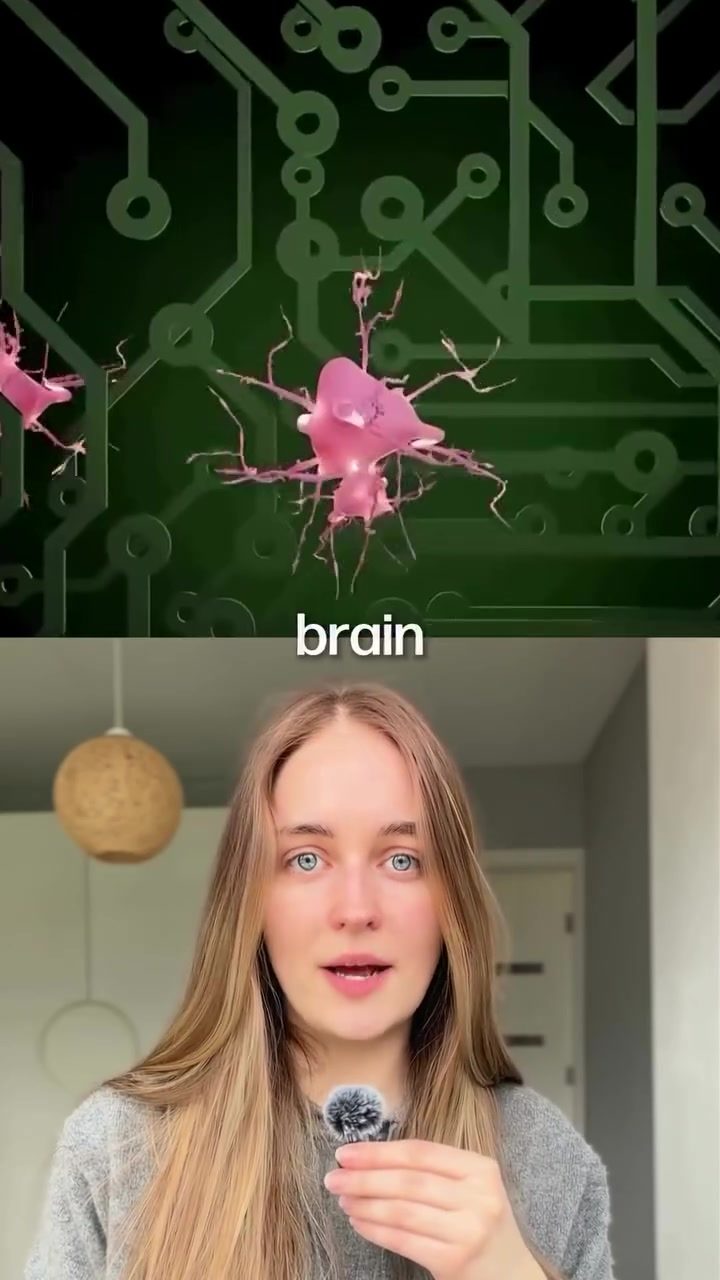
The visual representation of this experiment is particularly compelling. The microchip, held with tweezers and transitioning to a Pong-like game, illustrates the intricate relationship between scientists, cells, and the learning process. This visual metaphor helps to convey the complexity and sophistication of the experiment in an accessible way.
Neurotechnology and Brain-Machine Interfaces
Advances in Neurotechnology
The success of this experiment opens up new possibilities in neurotechnology. By understanding how brain cells can learn and adapt in a controlled environment, scientists can develop more advanced brain-machine interfaces. These interfaces could potentially allow individuals to control devices or even perform complex tasks using only their thoughts.
Potential Applications
One of the most exciting applications of this technology is in the field of medical devices. For instance, brain-machine interfaces could be used to help individuals with spinal cord injuries regain mobility by allowing them to control prosthetic limbs. In addition, this technology could be used to develop more effective treatments for neurological disorders, such as Parkinson's disease or epilepsy, by providing a way to directly interact with and modulate brain activity.
Practical Tips for Understanding Neurotechnology
Understanding the complexities of neurotechnology and brain-machine interfaces can be challenging, but there are some practical tips to help you grasp the basics. Here are a few key points to consider:
-
Start with the Basics: Begin by learning about the fundamental components of a neuron, such as the cell body, dendrites, and axons. Understanding how neurons communicate with each other is essential for grasping more complex concepts.
-
Explore Case Studies: Look for real-world examples of neurotechnology in action. Case studies can provide a practical context for understanding how these technologies are being used to improve lives.
-
Stay Updated: Neurotechnology is a rapidly evolving field. Follow the latest research and developments to stay informed about the cutting-edge advancements in this area.
-
Engage with the Community: Join online forums, attend conferences, or participate in local meetups focused on neurotechnology. Engaging with a community of experts and enthusiasts can provide valuable insights and support.
Important Takeaways
Brain Cells Can Learn Outside the Body
The most significant takeaway from this experiment is that brain cells can learn and adapt outside the body. This discovery challenges our traditional understanding of how learning occurs and opens up new avenues for research and development in neurotechnology.
Feedback Mechanisms Are Crucial
The use of rewards and punishments as a feedback mechanism was crucial to the success of the experiment. This feedback loop allowed the cells to adapt their behavior over time, demonstrating the importance of external stimuli in the learning process.
Future Research and Development
As our understanding of neurotechnology continues to grow, so too will the potential applications of brain-machine interfaces. Future research is likely to focus on refining these technologies and exploring new ways to integrate them into everyday life.
Conclusion
The experiment involving brain cells wired to a Pong game is a testament to the incredible potential of neurotechnology. By demonstrating that brain cells can learn and adapt outside the body, this research paves the way for future advancements in brain-machine interfaces. As we continue to explore and develop these technologies, the possibilities for improving human health and quality of life are virtually limitless.
Watch the Reel
Questions readers ask
How were brain cells able to control the Pong paddle?
The brain cells were grown on a microchip and connected to a simplified Pong game. They learned to control the paddle through a system of rewards and punishments, adapting their behavior based on the feedback they received.
What does this experiment mean for neurotechnology advancements?
This experiment showcases the potential for brain-machine interfaces, demonstrating that brain cells can learn and adapt outside the body, which could lead to innovative ways for people to interact with technology, especially those affected by neurological disorders.
What kind of reward and punishment system was used in the Pong experiment?
The specific details of the reward and punishment system are not provided, but it likely involved signals or stimuli that encouraged the brain cells to adjust their behavior in a way that improved the paddle's performance in the game, ultimately moving it correctly to hit the ball.
Can this technology be used to help people with neurological disorders?
While the direct application of this technology for treating neurological disorders is not yet clear, the experiment suggests that brain cells can adapt and learn in a controlled environment, which could pave the way for future developments in neurotechnology that benefit people with such conditions.
What is a brain-machine interface and how does it relate to this experiment?
A brain-machine interface (BMI) is a system that allows brain signals to be translated into actions or commands for external devices. In this experiment, the brain cells on a chip interacted with the Pong game, demonstrating a basic form of a BMI, where the brain cells' activity directly influenced the game's outcome.
What does this experiment tell us about the adaptability of brain cells?
The experiment highlights the remarkable adaptability of brain cells. By responding to external stimuli and adjusting their behavior, the brain cells learned to control the Pong paddle, showing that neurons can function and learn even when separated from the complex environment of the human body.
What is a brain chip and how does it work?
In this context, a brain chip is a microchip designed to support the growth of brain cells and facilitate their interaction with external devices. The brain cells are cultured on the chip, and their electrical activity can be monitored and influenced, allowing them to interact with the Pong game in this case.
Related deep dives
Similar reads based on topic and creator.




Recent articles
Fresh deep dives from the latest Reels we unpacked.




Comments
Be the first to comment.