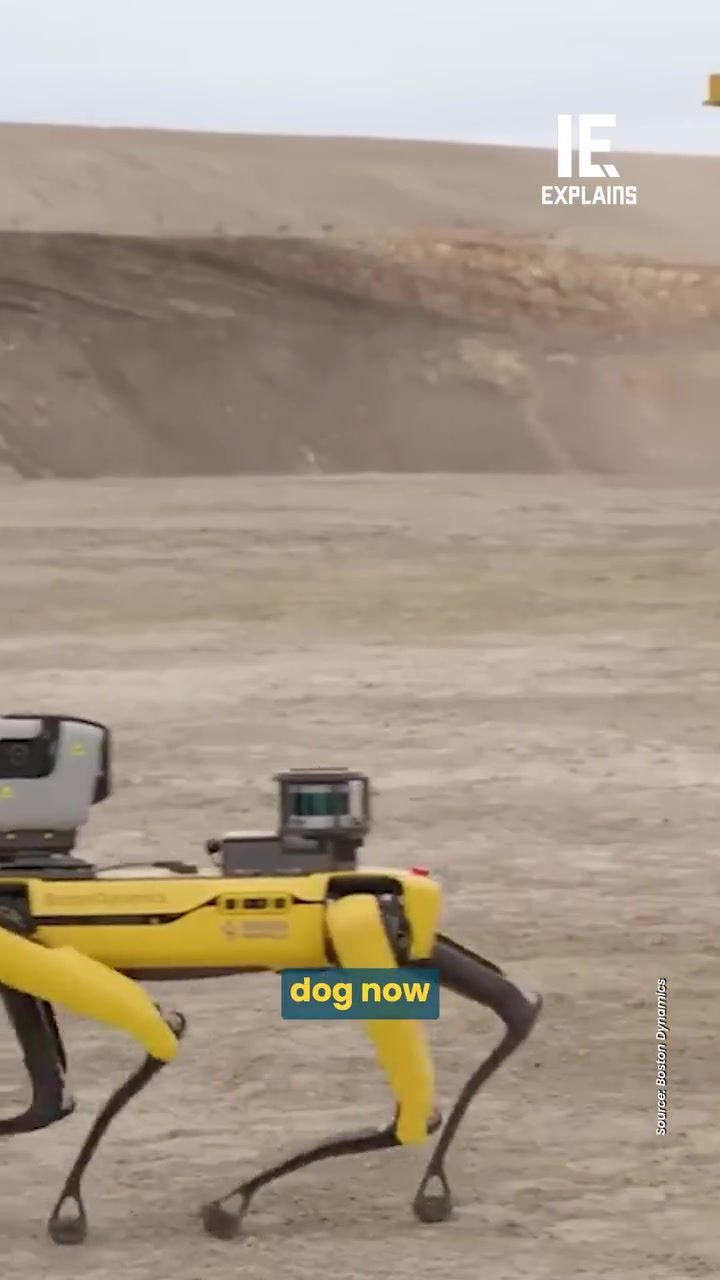
The Role of Boston Dynamics' Spot in Autonomous Mining
In Southeastern Utah, the future of mining is unfolding at Copper One, a copper mine and refinery operated by Mariana Minerals. This site is notable for being the world’s first fully autonomous, software-first mining operation, thanks in large part to the deployment of Boston Dynamics' Spot robot.
Context / Why this Matters
Spot is more than just a robotic dog; it’s a key component in a sophisticated mining ecosystem. The robot autonomously patrols the mine and refinery, conducting safety inspections and equipment checks around the clock. This level of autonomy and constant vigilance is a significant advancement in mining operations, reducing the need for human intervention in hazardous environments.
Main Discussion
Spot's Autonomous Capabilities
Spot’s ability to operate independently without a human handler is a game-changer. Its agility and mobility allow it to navigate the rugged terrain of a mine effortlessly. The robot is equipped with sensors and cameras that continuously monitor the environment, feeding data back to a central system. This data is crucial for maintaining the safety and efficiency of the mining operations.
Integration with MarianaOS
One of the most critical aspects of Spot’s deployment is its integration with MarianaOS, Mariana Minerals’ proprietary operating system. Unlike standalone inspection robots, Spot is part of a unified system that oversees mining, refining, and capital projects. Every reading and data point collected by Spot is fed straight into MarianaOS, ensuring that the entire operation runs smoothly and efficiently.
Autonomous Mining Equipment
Alongside Spot, the mine utilizes a range of other autonomous equipment, including drills and haul trucks. These machines operate with minimal human oversight, significantly reducing labor costs and enhancing safety. This integration of multiple autonomous systems showcases a preview of what a fully AI-run mine could look like in the future.
Cost and Efficiency Benefits
The deployment of autonomous systems like Spot and MarianaOS has led to a substantial reduction in operational costs. Mariana Minerals reports cutting mining costs by about 50% and refining costs by roughly 30%. This efficiency is backed by a significant investment of over $100 million, led by a veteran from Tesla. The results speak to the potential of AI-driven solutions in transforming traditional industries.
The Future of Autonomous Mining
The success of Spot and the broader autonomous system at Copper One provides a glimpse into the future of mining. As technology continues to advance, the role of robots and AI in mining operations will only grow. The integration of these technologies not only enhances safety and efficiency but also opens up new possibilities for data-driven decision-making and operational optimization.
Practical Tips
For mining operators considering the adoption of autonomous robots like Spot, several key factors should be taken into account:
-
Integration with Existing Systems: Ensure that any new robotics technology can seamlessly integrate with existing systems. This means having a robust operating system like MarianaOS that can manage the data flow from multiple sources.
-
Training and Adaptation: While robots like Spot reduce the need for human hands-on labor, there is still a need for skilled personnel to manage and oversee these systems. Training staff to work alongside autonomous equipment is crucial for maximizing benefits.
-
Scalability and Cost-Effectiveness: Consider the long-term benefits in terms of cost savings and operational efficiency. Investing in autonomous systems can be significant upfront, but the returns in terms of safety and efficiency make it a worthwhile investment.
-
Safety and Reliability: Autonomous systems should enhance, not replace, safety protocols. Ensure that the robots are reliable and can operate in hazardous environments without putting human lives at risk.
-
Data Management: The data collected by these robots is invaluable. Effective data management strategies are essential to make the most out of the information gathered.
Important Takeaways
The deployment of Boston Dynamics’ Spot robot at Copper One highlights the transformative potential of autonomous systems in mining. Key takeaways include:
- Enhanced Safety: Autonomous robots can handle dangerous tasks, reducing the risk to human workers.
- Operational Efficiency: The integration of robots with a central operating system leads to more efficient and cost-effective operations.
- Data-Driven Insights: The continuous data collection by robots provides valuable insights for improving mining and refining processes.
- Future Prospects: As technology advances, the role of autonomous systems in mining will only grow, potentially leading to fully AI-run mines.
- Investment and Leadership: Significant investment and expert leadership are crucial for successful implementation and long-term benefits.
Conclusion
The deployment of Spot by Boston Dynamics at Copper One is a significant milestone in the evolution of mining. It showcases how autonomous robots and AI can transform traditional industries, making them safer, more efficient, and more cost-effective. As we look to the future, the integration of these technologies will likely become a standard practice, ushering in a new era of mining operations.
Watch the Reel
Questions readers ask
What specific tasks does the Boston Dynamics Spot robot perform at the Copper One mine?
At the Copper One mine, the Spot robot autonomously patrols the site, conducting safety inspections and equipment checks. This continuous monitoring helps to ensure the safety of the mining operation and reduces the need for human presence in hazardous areas.
How does the Spot robot enhance safety in mining operations?
By patrolling the mine site autonomously, the Spot robot minimizes the need for human workers to enter potentially dangerous areas. Its constant monitoring allows for early detection of hazards, enhancing overall safety and efficiency.
What makes the Copper One mine notable in the context of autonomous mining?
The Copper One mine in Southeastern Utah is notable for being the world’s first fully autonomous, software-first mining operation. This achievement is largely due to the integration of the Boston Dynamics Spot robot into its operations.
How does the Boston Dynamics Spot robot contribute to the efficiency of mining operations?
The Spot robot's agility and ability to operate continuously allow it to conduct thorough inspections and equipment checks, which can lead to quicker identification of issues and faster resolution. This, in turn, minimizes downtime and enhances the overall efficiency of the mining operation.
What is the significance of the Spot robot's deployment at the Copper One mine?
The deployment of the Spot robot at the Copper One mine represents a significant advancement in autonomous mining. The robot's ability to autonomously patrol and monitor the mining site reduces the need for human intervention in hazardous environments, highlighting a major step forward in mining automation.
What other benefits might autonomous robots like Spot bring to the mining industry?
Autonomous robots like Spot can potentially reduce operational costs by minimizing human labor in hazardous areas. They can also provide more consistent and reliable data collection, which can be crucial for optimizing mining processes and maintaining equipment.
How does the Spot robot's autonomous operation address challenges in hazardous mining environments?
The Spot robot can navigate and operate in environments that are too dangerous for human workers, such as areas with unstable terrain or harmful substances. Its autonomous capabilities ensure that inspections and checks are conducted regularly and consistently, reducing the risk to human workers.
Related deep dives
Similar reads based on topic and creator.


Recent articles
Fresh deep dives from the latest Reels we unpacked.




Comments
Be the first to comment.