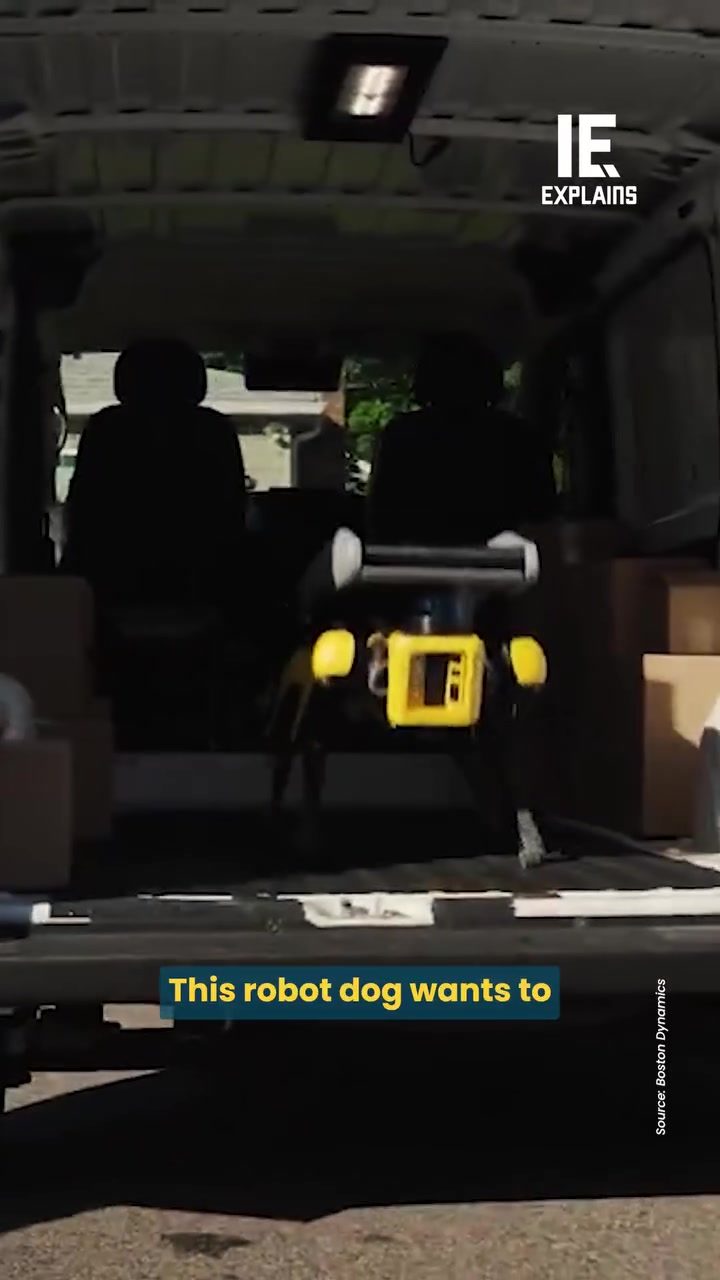
Boston Dynamics' Spot: Revolutionizing Last-Mile Delivery
When it comes to the complexities of modern delivery, the last 50 feet from the delivery vehicle to the doorstep is often the most challenging part of the journey—known as the "porch gap." Curbs, stairs, gravel, snow, and ice can be tough on both delivery drones and wheeled robots. That's why Boston Dynamics, the renowned robotics company, is testing an innovative solution: Spot, a four-legged robot designed to navigate these obstacles effortlessly and bring packages directly to your doorstep.
Why This Matters
Last-mile delivery is not just a logistical challenge; it's a significant financial burden. U.S. carriers spend approximately $90 billion annually on this final leg of the journey. By addressing the "porch gap," Boston Dynamics aims to streamline delivery processes, reduce costs, and improve efficiency. Given that last-mile delivery now makes up more than half of total supply chain costs, the potential impact is substantial.
Capabilities and Design
Agility and Terrain Navigation
Spot's design is a marvel of modern robotics. Its four legs allow it to handle a variety of terrains, from curbs and stairs to gravel and even snow and ice. This agility is a game-changer for delivery services, as it means Spot can reach places that traditional delivery methods cannot.
Payload and Delivery Process
A driver loads boxes onto a conveyor belt on Spot’s back. The robot then trots through the neighborhood, crouches low, and sets each package down gently. This "soft drop" feature ensures that even fragile items, like a carton of eggs, arrive unbroken. Spot can carry two parcels at a time, about 60% of a typical van’s load. For every three deliveries Spot makes, the driver can handle additional tasks, significantly increasing overall efficiency.
Practical Applications and Logistics
Route Efficiency
Drivers initially steer the routes, and then Spot repeats them autonomously. This approach not only saves time but also reduces the need for human intervention, making the delivery process more efficient and cost-effective. Boston Dynamics is actively seeking a partner to pilot 200 deliveries a day, demonstrating the company's confidence in Spot's capabilities.
Economic Impact
The economic benefits of using Spot for last-mile delivery are clear. By reducing the need for human drivers to cover the final stretch, companies can cut labor costs and speed up deliveries. This could lead to more flexible delivery schedules and better customer service.
Challenges and Considerations
Technical Challenges
Despite its impressive capabilities, Spot is not without challenges. Ensuring that the robot can handle various weather conditions and different urban environments consistently is a significant task. Additionally, the integration of Spot into existing delivery systems requires careful planning and coordination.
Public Acceptance
Public acceptance is another hurdle. People may be wary of robots navigating their neighborhoods, especially if they are not familiar with the technology. Clear communication about Spot's purpose and benefits will be crucial in gaining public support.
Important Takeaways
- Cost Efficiency: Spot can significantly reduce the costs associated with last-mile delivery, making it a valuable asset for delivery companies.
- Versatility: The robot's ability to handle various terrains and weather conditions sets it apart from traditional delivery methods.
- Automation: Spot's autonomous capabilities can streamline delivery processes, freeing up human drivers for other tasks.
Conclusion
Boston Dynamics' Spot represents a significant step forward in the world of delivery robotics. By tackling the "porch gap" and making last-mile delivery more efficient, Spot has the potential to revolutionize the way goods are delivered. As the technology continues to develop, it could become a cornerstone of modern logistics, helping to reduce costs and improve service for both companies and consumers. The future of last-mile delivery is here, and it's on four legs.
Watch the Reel
Questions readers ask
What is the 'porch gap' and why is it a challenge for delivery services?
The 'porch gap' refers to the final 50 feet from the delivery vehicle to the doorstep. This short distance presents unique challenges due to varying terrains such as curbs, stairs, gravel, and adverse weather conditions like snow and ice. These obstacles can be difficult for traditional delivery methods, including drones and wheeled robots.
How does Boston Dynamics' Spot address the challenges of last-mile delivery?
Boston Dynamics' Spot is a four-legged robot designed to navigate various terrains effortlessly. By utilizing advanced robotics, Spot can traverse obstacles like stairs, gravel, and uneven surfaces, ensuring packages are delivered directly to the doorstep. This capability helps streamline delivery processes and improve efficiency.
What are the potential cost benefits of using a robot like Spot for last-mile delivery?
Last-mile delivery is expensive, with U.S. carriers spending around $90 billion annually on this final leg. By automating this process with robots like Spot, delivery services can reduce labor costs, minimize delivery times, and decrease the financial burden associated with last-mile delivery.
What makes Spot different from other delivery robots and methods?
Spot stands out due to its four-legged design, which allows it to handle a variety of terrains and obstacles that wheeled robots or drones cannot. This versatility makes Spot particularly effective in navigating the complex and unpredictable environments often found in last-mile delivery scenarios.
How does Spot contribute to the efficiency of delivery processes?
Spot's ability to autonomously navigate and deliver packages directly to doorsteps reduces the time and effort required for human delivery personnel. This not only speeds up the delivery process but also allows carriers to manage their resources more effectively, leading to overall improved efficiency.
Can Spot operate in harsh weather conditions?
Spot is designed to handle a range of environmental conditions, including snow and ice. Its robust construction and advanced navigation systems enable it to operate effectively in challenging weather, ensuring that deliveries are not disrupted by adverse conditions.
How does the use of Spot impact the logistics of delivery operations?
By tackling the 'porch gap,' Spot helps streamline the logistics of delivery operations. Carriers can rely on Spot to handle the most challenging part of the journey, reducing the need for multiple delivery attempts and minimizing the risk of damage or loss to packages during transit.
Related deep dives
Similar reads based on topic and creator.


Recent articles
Fresh deep dives from the latest Reels we unpacked.




Comments
Be the first to comment.