Robotics and the Viking Row: Boston Dynamics' Latest Showcase
The celebration
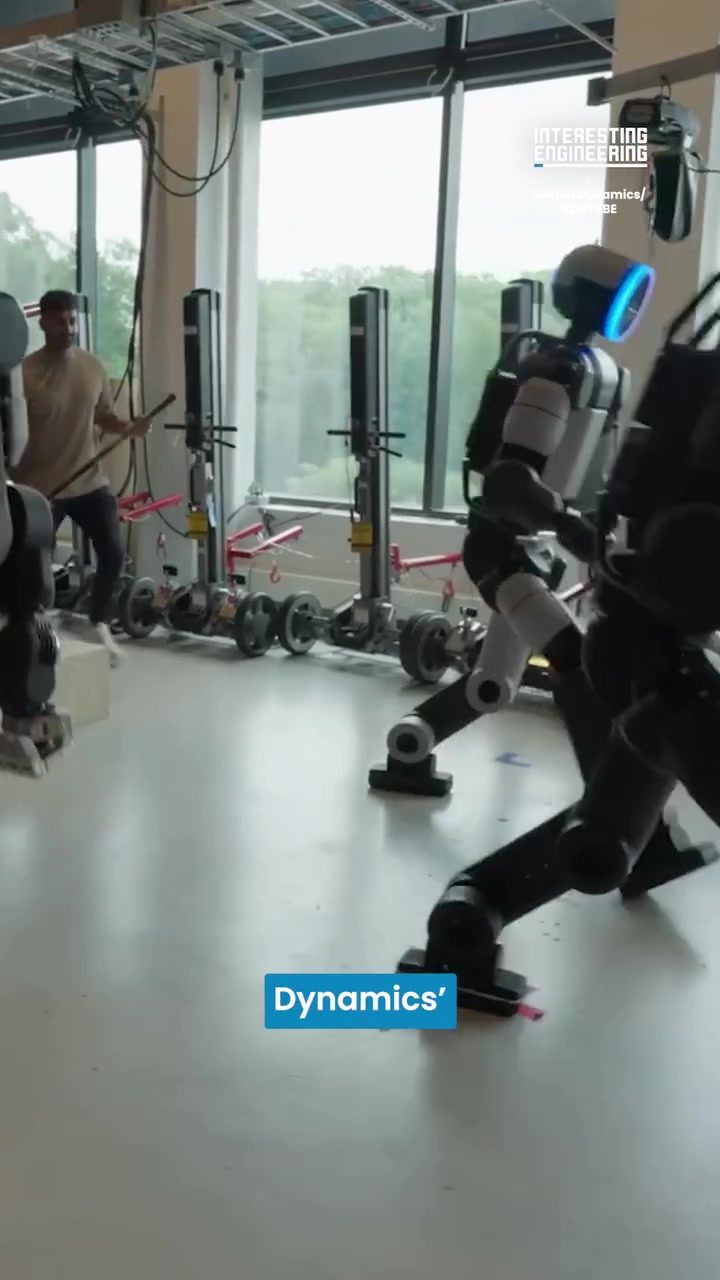
Boston Dynamics' humanoid robots recently performed a captivating routine, mimicking Norway's national football team's Viking Row celebration. This synchronized dance showcased the robots' ability to execute precise, coordinated movements, captivating onlookers and demonstrating the cutting-edge capabilities of advanced robotics.
The Viking Row is a rhythmic rowing gesture performed by Norway's national football team to celebrate goals. Boston Dynamics' robots replicated this movement with remarkable accuracy, highlighting their advanced whole-body control and coordinated motion. The performance took place at Boston Dynamics' facility, where a crowd of employees gathered to watch the robots in action.
Why this matters
The Viking Row demonstration is more than just an entertaining display; it underscores significant advancements in robotics. By mimicking complex human movements, these robots showcase their potential for various applications, from entertainment to industrial and service roles. The ability to perform synchronized movements with precision is a testament to the progress made in robotics technology.
The technology behind the performance
Coordinated motion and whole-body control
The robots' synchronized rowing motion highlights their advanced coordination and whole-body control. Each robot moves in unison with the others, demonstrating the precise timing and balance required for such a performance. This level of coordination is crucial for robots to interact safely and effectively in dynamic environments.
Advanced sensors and algorithms
To execute the Viking Row, the robots rely on a combination of advanced sensors and algorithms. These technologies enable the robots to perceive their surroundings, process information, and respond accordingly. The sensors provide real-time data on the robots' position, velocity, and acceleration, while the algorithms use this data to calculate the necessary movements.
Learning from human movements
Boston Dynamics' robots are designed to learn from human movements, allowing them to replicate complex gestures. This capability is achieved through a combination of machine learning algorithms and extensive data collection. By studying human movements, the robots can develop a deeper understanding of how to coordinate their own actions.
Robots and sports celebrations
The Viking Row in robotics
The Viking Row is a unique and dynamic celebration that translates well to robotics. Its rhythmic, repetitive nature makes it an ideal subject for robots to replicate, as it allows them to demonstrate their ability to perform synchronized, coordinated movements. Additionally, the Viking Row's association with sports adds a layer of excitement and engagement to the performance.
Other sports celebrations in robotics
While the Viking Row is a notable example, robots have also replicated other sports celebrations. For instance, robots have been programmed to perform choreographed dances, mimic cheerleading routines, and even imitate athletic feats such as gymnastic stunts. These demonstrations showcase the versatility and adaptability of robotics technology.
The future of robotics and sports
As robotics technology continues to evolve, we can expect to see even more innovative applications in the realm of sports. From robotic cheerleaders and mascots to automated referees and training assistants, the possibilities are vast. By integrating robotics into sports, we can enhance fan engagement, improve athlete performance, and create new forms of entertainment.
Practical tips for aspiring roboticists
Focus on coordination and timing
For those interested in robotics, mastering coordination and timing is essential. To improve these skills, practice programming robots to perform synchronized movements and work on refining their precision and accuracy. This can involve designing and implementing algorithms that enable robots to move in unison or creating sensor systems that provide real-time feedback.
Study human movements
Studying human movements can provide valuable insights into how to program robots to perform complex gestures. Pay close attention to the nuances of human motion, such as the subtle adjustments made to maintain balance and coordination. This knowledge can then be applied to develop more natural and dynamic robot movements.
Experiment with different sensors and algorithms
Exploring various sensors and algorithms can help you refine your robots' capabilities. Experiment with different types of sensors, such as accelerometers, gyroscopes, and cameras, to collect data on your robots' movements. Additionally, test out different algorithms to determine which ones work best for your specific application.
Collaborate with others
Collaboration is key in the world of robotics. Engage with other roboticists, join online communities, and participate in hackathons and competitions. By working with others, you can gain new perspectives, share ideas, and push the boundaries of what's possible in robotics.
Important takeaways
The potential of robotics
The Viking Row demonstration by Boston Dynamics' robots highlights the incredible potential of robotics. By replicating complex human movements, these robots showcase their ability to interact with the world in meaningful and dynamic ways. As robotics technology continues to advance, we can expect to see even more innovative applications in various fields.
The importance of coordination and timing
Coordination and timing are crucial for robots to perform complex movements. By mastering these skills, roboticists can create robots that are capable of executing intricate gestures and interacting effectively with their surroundings. This precision is essential for a wide range of applications, from entertainment to industrial and service roles.
The value of human inspiration
Inspiration from human movements can lead to more natural and engaging robot behaviors. By studying the intricacies of human motion, roboticists can develop robots that are better equipped to perform complex tasks and interact with people in a more intuitive and seamless manner.
Conclusion
The Viking Row demonstration by Boston Dynamics' robots is a testament to the incredible advancements in robotics technology. By mimicking complex human movements, these robots showcase their potential for various applications, from entertainment to industrial and service roles. As we continue to push the boundaries of what's possible in robotics, we can look forward to a future where robots play an even more significant role in our world.
Watch the Reel
Questions readers ask
What inspired Boston Dynamics to have their robots perform the Viking Row celebration?
The inspiration came from Norway's national football team, who perform the Viking Row as a goal celebration. Boston Dynamics' robots replicated this movement to demonstrate their advanced capabilities in synchronization and coordination.
Which robots by Boston Dynamics performed the Viking Row celebration?
Boston Dynamics' humanoid robots, specifically the Atlas model, were used to perform the Viking Row celebration. These robots are designed to mimic human movements with precision.
What does the Viking Row celebration involve and how did the robots execute it?
The Viking Row is a rhythmic rowing gesture. The robots executed it with remarkable accuracy, showcasing their advanced whole-body control and coordination, moving in perfect synchronization and timing.
Where did the robot performance take place and who witnessed it?
The performance took place at Boston Dynamics' facility. A crowd of employees gathered to watch the robots in action, making it an internal showcase of the company's latest achievements.
What capabilities of Boston Dynamics' robots were highlighted in this performance?
The performance highlighted the robots' precision, synchronization, and coordination. This includes advancements in whole-body control, allowing the robots to replicate complex human movements with accuracy.
How might the robotics technology used in the Viking Row celebration be applied in the future?
The technology demonstrated in this performance has potential applications in various sectors, including entertainment, industrial, and service industries. It could be used for synchronized performances, industrial automation, and more.
What was the reaction to the robots' performance of the Viking Row celebration?
The robots' performance captivated onlookers, showcasing the potential of advanced robotics. The precise and coordinated movements displayed by the robots in the Viking Row celebration left a strong impression on those who witnessed it.
Related deep dives
Similar reads based on topic and creator.


Recent articles
Fresh deep dives from the latest Reels we unpacked.




Comments
Be the first to comment.