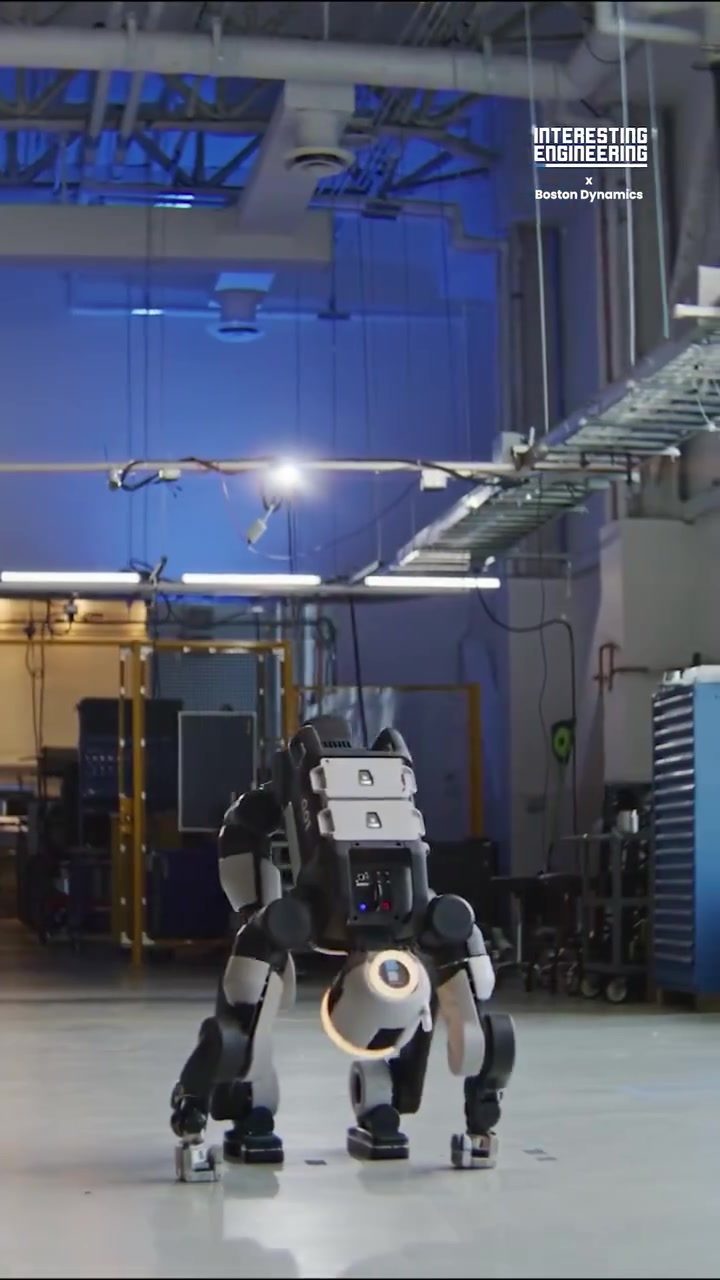
Boston Dynamics' Atlas Robot: Agile, Human-Like Movements
The Atlas robot, developed by Boston Dynamics, is a marvel of engineering, showcased by its impressive ability to perform controlled balance and dynamic movements.
Why This Matters
Boston Dynamics' robots are renowned for their agility and versatility, making them suitable for a wide range of applications. Atlas, in particular, exemplifies the cutting edge of humanoid robotics, with movements that mimic human actions with remarkable precision.
Main Discussion
Design and Capabilities
Atlas is designed to handle both indoor and outdoor environments. Standing at 5'9" and weighing 190 pounds, the robot has a humanoid form with a powerful hydraulic system that enables dynamic movements. Its advanced algorithms allow for precise control over balance, movement, and navigation.
Balance and Movement
One of the standout features of Atlas is its ability to maintain balance and stability. This is crucial for tasks that require navigating uneven terrain or performing complex movements. Whether walking, running, or even performing highly coordinated tasks, Atlas demonstrates an impressive level of control and agility.
Dynamic Environments
Boston Dynamics' robots are designed to operate in a variety of environments, from industrial facilities to outdoor terrains. The Atlas robot, in particular, has been shown to navigate large, industrial-looking spaces with agility. The inclusion of overhead structures, equipment, and large windows in the demonstration setting highlights the robot's ability to adapt to different environmental conditions, including potential obstacles and varying surfaces.
Cutting-Edge Technology
Atlas is equipped with advanced sensors and a sophisticated control system that allows it to perceive and interact with its environment. These capabilities make it suitable for a wide range of applications, from search and rescue to industrial automation. The robot's ability to perform dynamic movements and maintain balance in challenging conditions sets it apart from other robotic systems.
Practical Tips
Understanding Robotics Navigation
When observing a Boston Dynamics robot in action, pay attention to how it navigates different terrains. Notice how the robot adjusts its movements to maintain balance and stability, especially in uneven or obstructed environments.
Evaluating Robotic Agility
Agility is a key factor in assessing the effectiveness of a robot. Look for smooth transitions between different movements and the ability to recover from disruptions. This is particularly important when considering the robot's suitability for real-world applications where unpredictability is common.
Real-World Applications
Beyond its impressive demonstrations, consider the practical applications of such technology. Robots like Atlas have the potential to revolutionize industries by taking on tasks that are dangerous or physically demanding for humans.
Important Takeaways
Boston Dynamics' Atlas robot is a testament to the advancements in humanoid robotics. Its controlled balance, dynamic movements, and ability to navigate complex environments highlight its potential for a wide range of applications. From industrial automation to search and rescue, Atlas represents a significant step forward in robotic technology.
Conclusion
The Atlas robot by Boston Dynamics showcases the future of humanoid robotics. With its impressive balance, agility, and adaptability, Atlas is poised to revolutionize various industries. Whether it's navigating industrial facilities or performing complex tasks, this robot demonstrates the potential of advanced robotic systems to enhance efficiency and safety in diverse environments.
Watch the Reel
Questions readers ask
What makes the Atlas robot by Boston Dynamics unique in the field of robotics?
Atlas stands out due to its humanoid design and exceptional agility. Its ability to perform complex, human-like movements with precision allows it to navigate various terrains, including uneven surfaces, making it a standout in the field of robotics.
How does the Atlas robot's balance control contribute to its agility?
Atlas' advanced algorithms and powerful hydraulic system allow it to maintain controlled balance and execute dynamic movements. This balance control is crucial for navigating challenging terrains and performing complex tasks with precision.
What are some of the potential industrial applications for the Atlas robot?
The Atlas robot's agility, versatility, and precision make it suitable for a wide range of industrial applications, including tasks that require navigating complex environments, handling hazardous materials, or performing precision work in hard-to-reach areas.
How does the Atlas robot's design help it handle both indoor and outdoor environments?
Atlas' humanoid form, standing at 5'9" and weighing 190 pounds, is equipped with a powerful hydraulic system. This design, combined with advanced algorithms, enables the robot to handle both indoor and outdoor environments, adapting to various surfaces and terrains with ease.
What advancements in humanoid robotics does the Atlas robot represent?
Atlas represents the cutting edge of humanoid robotics, offering movements that closely mimic human actions. Its ability to perform controlled balance and dynamic movements showcases significant advancements in robotics technology, pushing the boundaries of what humanoid robots can achieve.
What are the implications of Atlas robot’s capability in uneven terrains?
Atlas' ability to navigate uneven terrains with precision opens up new possibilities for robotics in various industries. This capability allows for the exploration of complex environments, performing tasks that would otherwise be difficult or dangerous for humans, and enhancing the overall efficiency of operations.
Can the Atlas robot perform tasks in hazardous environments?
Yes, the Atlas robot's design and capabilities make it well-suited for hazardous environments. Its agility, balance control, and dynamic movements allow it to handle tasks that require navigating challenging terrains or dealing with hazardous materials, keeping human workers safe from potential dangers.
Related deep dives
Similar reads based on topic and creator.


Recent articles
Fresh deep dives from the latest Reels we unpacked.




Comments
Be the first to comment.