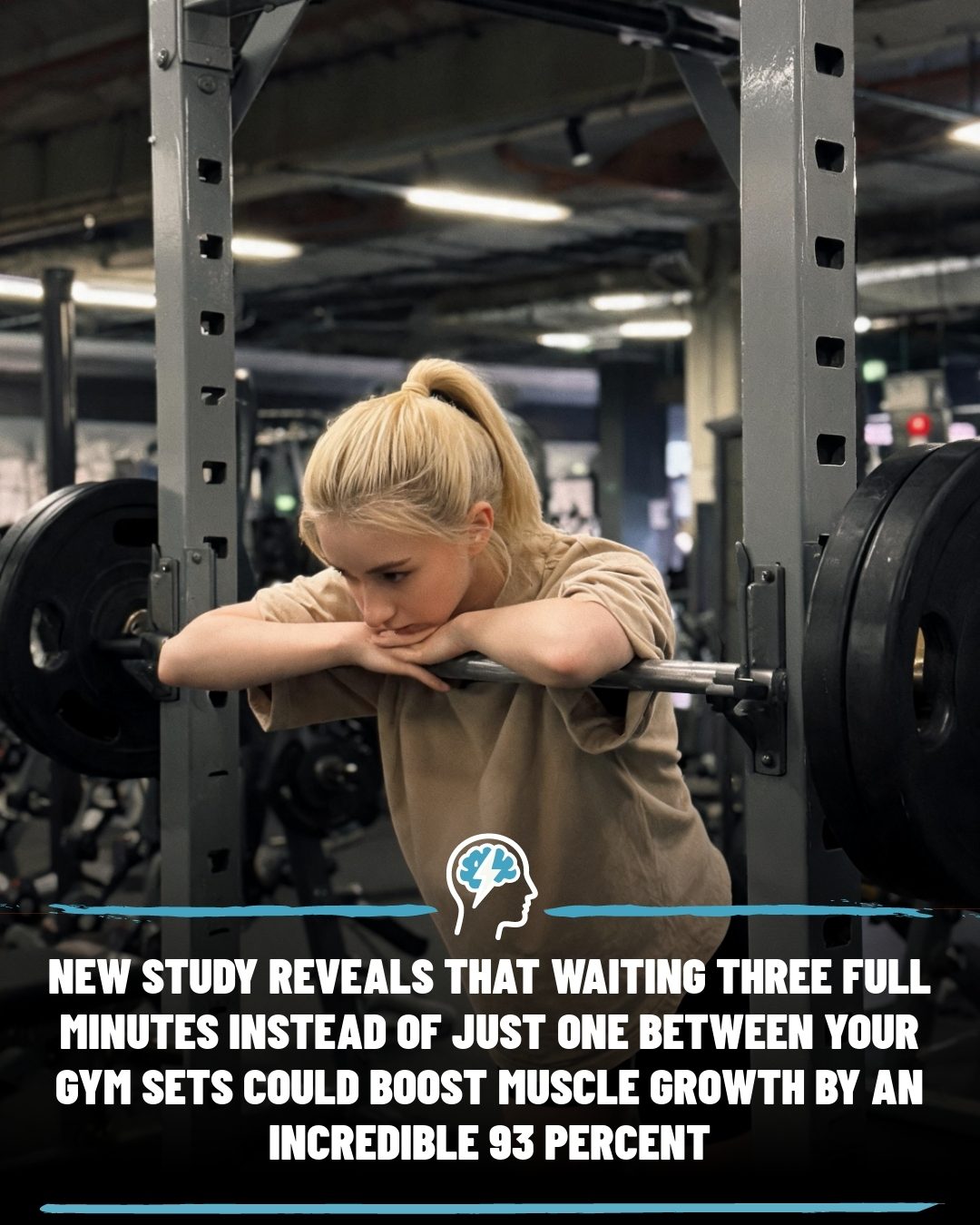
Rest Between Sets: The Key to Boosting Muscle Growth
Weightlifting is a critical component of any effective fitness routine, and optimizing your approach can significantly enhance your results. One often-overlooked aspect is the duration of rest between sets. A recent study revealed that extending your rest periods can lead to remarkable muscle growth. Here’s an in-depth look at why this matters and how to apply it effectively.
Context: Why This Matters
For many weightlifters, the focus is often on the weight lifted, the number of reps, and the overall intensity of the workout. However, the rest periods between sets play a crucial role in determining how much muscle you build. This is backed by scientific research that shows the duration of rest between sets can significantly impact muscle growth. Resting longer might just be the key to achieving your fitness goals faster.
Main Discussion
The Science Behind Rest Intervals
A study on resistance training involved trained men over an eight-week period. The participants were divided into two groups: one that rested for three minutes between sets and another that rested for just one minute. Both groups performed the same exercises and lifted the same weights.
The findings were striking: the group that rested for three minutes between sets showed almost double the muscle thickness in key areas, such as the quadriceps. Specifically, this longer-rest group saw a 93% increase in muscle growth compared to the short-rest group. This highlights that the quality of your rest periods directly affects how much muscle you can build.
Why Resting Longer Works
The benefits of resting longer between sets can be attributed to how your body recovers and prepares for the next set. Here’s what happens:
- Energy Restoration: With three minutes of rest, your body has more time to replenish its energy stores, which means you can perform each subsequent set with greater intensity.
- Metabolic Waste Clearance: Longer rest periods allow your muscles to clear out metabolic waste more effectively. This helps maintain strength and endurance throughout your workout.
- Higher Total Volume Load: By resting longer, you can sustain a higher level of performance across all sets. This leads to a higher total volume load, which is crucial for muscle growth.
Implementing Longer Rest Periods
To get the most out of your workouts, it's essential to tailor your rest periods to the type of exercise you're doing. Here are some practical tips:
Heavy Compound Lifts
For heavy compound lifts like squats, deadlifts, and bench presses, aim for three minutes of rest between sets. These exercises engage multiple muscle groups and require significant energy, making longer rest periods beneficial.
Isolation Exercises
Isolation exercises, which target specific muscle groups, typically don’t require as much recovery time. You can get away with shorter rest periods, around one to two minutes, for these moves. However, if time permits, extending the rest to three minutes can still yield better results.
High-Intensity Intervals
If your workout involves high-intensity intervals, you may need to adjust your rest periods accordingly. For example, during a circuit training session, you might need to take shorter breaks between exercises to maintain the intensity of the workout. However, you can still incorporate longer rest periods between circuits.
Practical Tips
-
Use a Timer: Set a timer for your rest periods to ensure consistency. This helps you stay disciplined and focused on your workout.
-
Listen to Your Body: While the science points to three minutes, it’s essential to listen to your body. If you feel fatigued or weak during a set, extend your rest period as needed.
-
Plan Your Workouts: Incorporate longer rest periods into your workout plan. For example, if you’re doing a full-body workout, plan your exercises in a way that allows for adequate rest between heavy lifts.
-
Hydrate and Fuel: Proper hydration and nutrition are essential for recovery. Make sure you’re drinking enough water and consuming a balanced diet to support muscle growth.
Important Takeaways
- Longer rest periods between sets can lead to significant muscle growth.
- Aim for three minutes of rest for heavy compound lifts and shorter periods for isolation exercises.
- The benefits of longer rest periods include better energy restoration, clearer metabolic waste, and a higher total volume load.
- Consistency and planning are key to maximizing the benefits of longer rest periods.
Conclusion
Rest periods between sets are a critical yet often overlooked aspect of weightlifting. By extending your rest to three minutes for heavy compound lifts, you can achieve significant muscle growth and improve your overall performance. The science is clear: longer rest periods mean better results. So, the next time you hit the gym, remember that rest is just as important as the lift.
Watch the Reel
Questions readers ask
How do longer rest periods between sets aid muscle growth?
Longer rest periods allow your muscles to replenish energy stores and clear out lactic acid, a metabolic waste product. This results in more intense and effective subsequent sets, promoting better muscle growth over time.
What is the optimal rest period between sets for muscle growth?
For optimal muscle growth, consider resting for 2 to 3 minutes between sets. This duration helps to maximize energy recovery and muscle performance, especially during heavy lifting sessions.
Why is resting longer between sets beneficial for heavy lifting?
When performing heavy lifts, muscles require more time to recover. Longer rest periods ensure that you can maintain proper form and intensity throughout your workout, which is crucial for stimulating muscle growth.
What happens if I rest for only one minute between sets?
Resting for only one minute between sets may not allow sufficient time for energy recovery and muscle repair. This can lead to fatigue and a decrease in performance, potentially limiting the effectiveness of your workout.
How does the duration of rest between sets impact workout performance?
The duration of rest between sets directly impacts your workout performance. Longer rest periods can enhance your ability to lift heavier weights and complete more reps, which are key factors in promoting muscle growth and strength gains.
Should I adjust my rest periods based on my fitness goals?
Yes, adjusting your rest periods based on your fitness goals can be beneficial. For muscle growth, longer rest periods are generally more effective. However, for endurance or cardiovascular benefits, shorter rest periods might be more suitable.
How can I effectively incorporate longer rest periods into my gym routine?
To incorporate longer rest periods into your gym routine, use a timer to track your rest intervals. Plan your workout to include 2 to 3 minutes of rest between sets, and stay focused on maintaining intensity and proper form during your lifts.
Related deep dives
Similar reads based on topic and creator.



Recent articles
Fresh deep dives from the latest Reels we unpacked.




Comments
Be the first to comment.