Healthy Foods for Brain, Muscle, and Skin
Maintaining a balanced diet that supports overall health, including brain, muscle, and skin health, is essential. This means incorporating foods that provide a consistent mix of protein, healthy fats, fiber, vitamins, minerals, and adequate calories to keep the body functioning well. While the need for a "perfect" diet is often overstated, integrating specific foods can significantly enhance different aspects of your health. Let's explore how certain foods benefit the brain, muscles, skin, bones, hormones, and gut.
Why This Matters
A balanced diet with a variety of nutrients is key to maintaining peak physical and mental performance. Whether your goal is to enhance cognitive function, build and repair muscle tissue, or support skin health, the foods you choose play a pivotal role. Additionally, a well-rounded diet contributes to overall well-being, impacting everything from mood to energy levels. It's about nourishing the body with the right mix of macronutrients and micronutrients.
Brain-boosting Foods
Certain foods provide the nutrients necessary for optimal brain function. Incorporating these into your diet can help enhance cognitive abilities and overall brain health.
Omega-3 Fats for Brain Health
Omega-3 fatty acids are crucial for brain health. Found in:
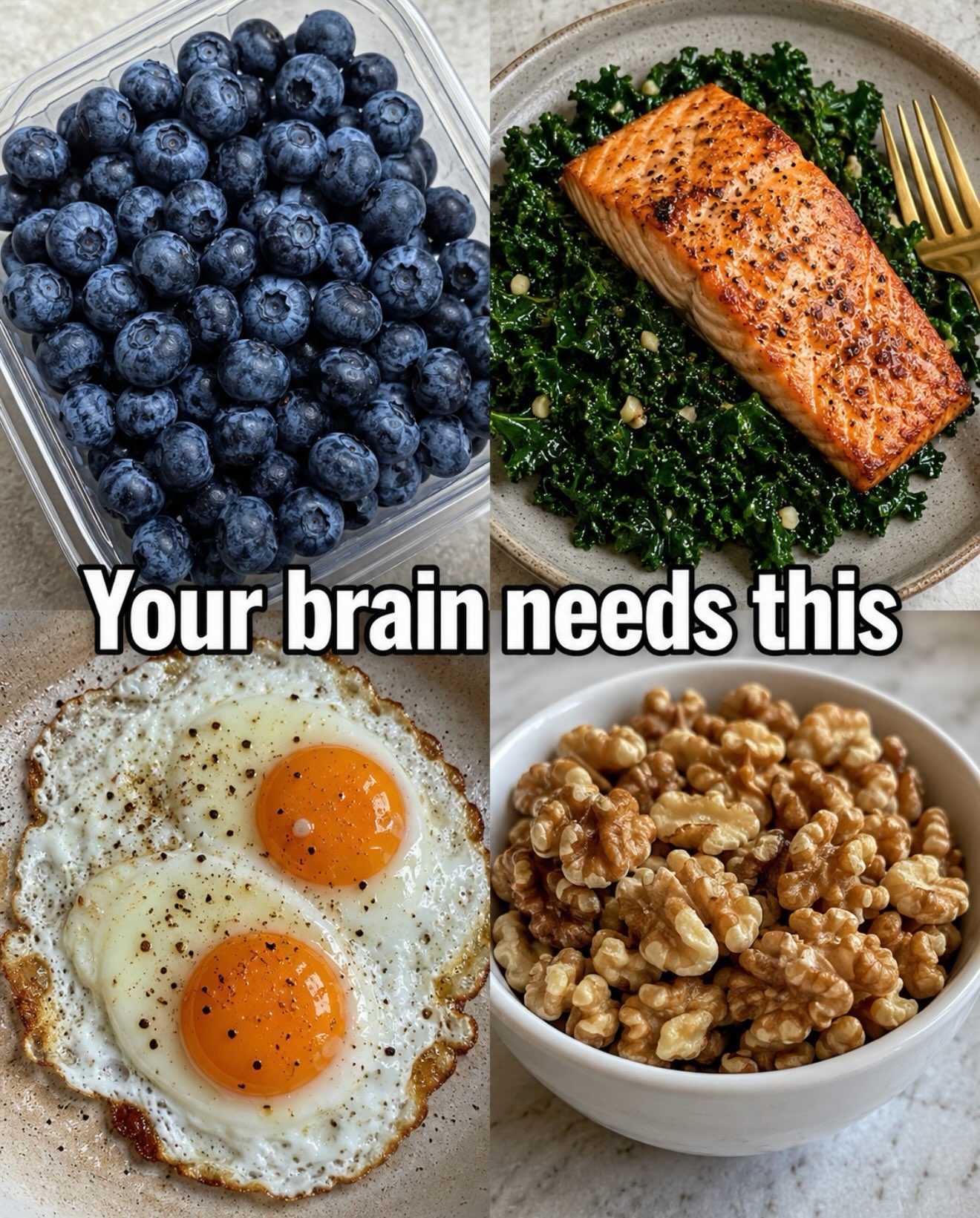
- Salmon: Rich in omega-3s, salmon supports brain function and may reduce the risk of cognitive decline.
- Walnuts: These nuts are packed with omega-3s, antioxidants, and protein, making them a great snack for brain health.
Antioxidants and Choline
These nutrients support brain function and memory:
- Blueberries: High in antioxidants, blueberries help protect the brain from oxidative stress and inflammation.
- Eggs: Eggs are a good source of choline, a nutrient vital for brain development and function.
Muscle-Supporting Foods
Muscle health relies on the right balance of nutrients, including protein, carbohydrates, and healthy fats. Here are some foods that support muscle recovery and growth.
Protein Power
Protein is essential for muscle repair and growth:
- Ground beef: Lean ground beef is a good source of high-quality protein, iron, and zinc.
- Chicken: Chicken breast is a lean protein source, ideal for muscle recovery and growth.
- Cottage cheese: High in casein protein, cottage cheese is a slow-digesting protein that can help with muscle recovery overnight.
- Eggs: Not just for breakfast, hard-boiled eggs are a convenient, protein-rich snack.
Carbohydrates and Healthy Fats
Carb sources fuel your workouts, while healthy fats aid in nutrient absorption and hormone regulation:
- Mushrooms: Versatile and low in calories, mushrooms also provide a small amount of protein and B vitamins.
- Yogurt: Greek yogurt is high in protein and probiotics, supporting muscle recovery and gut health.
Skin-Enhancing Foods
Nourishing the skin from the inside out is crucial for maintaining its health and appearance. Focus on vitamins, antioxidants, and healthy fats that support skin integrity and hydration.
Vitamin C and Antioxidants
These nutrients help protect the skin and promote collagen production:
- Sweet potatoes: Rich in vitamin A and beta-carotene, sweet potatoes support skin health and hydration.
- Kiwi: High in vitamin C, kiwi helps with collagen production and skin repair.
- Peppers: Bell peppers are packed with vitamin C and other antioxidants, beneficial for skin health.
Hydration and Omega-3s
- Water: Staying hydrated is essential for overall skin health and hydration.
- Avocado: Rich in healthy fats, avocados support skin elasticity and hydration.
Bone-Building Foods
Calcium and vitamin D are essential for maintaining strong, healthy bones. Including these nutrients in your diet helps prevent bone loss and osteoporosis.
Calcium and Vitamin D
- Dairy and fortified alternatives: Milk, yogurt, and cheese are good sources of calcium and vitamin D.
- Kale: This leafy green is packed with calcium, vitamin K, and antioxidants, which are all beneficial for bone health.
- Sardines: Rich in calcium and vitamin D, sardines can help support bone density.
Hormone-Balancing Foods
Hormones regulate many bodily functions, and a balanced diet can help maintain hormonal equilibrium. Including these foods in your diet can support overall hormonal health.
Healthy Fats
- Salmon: Rich in omega-3 fatty acids, salmon supports overall hormonal balance.
- Avocado: High in healthy monounsaturated fats, avocados support hormone production and regulation.
- Olive oil: Monounsaturated fats in olive oil can help reduce inflammation and support hormonal health.
Essential Nutrients
- Pumpkin seeds: High in zinc and magnesium, pumpkin seeds support hormone production and regulation.
Gut-Friendly Foods
A healthy gut promotes overall well-being, aiding in nutrient absorption and immune function. Incorporating these foods can support a balanced gut microbiome.
Fermented Foods
Fermented foods introduce beneficial bacteria to the gut, supporting digestion and immune function:
- Yogurt: Rich in probiotics, yogurt supports a healthy gut microbiome.
- Kimchi and kefir: These fermented foods provide a variety of beneficial bacteria, aiding in digestion.
Plant Foods and Fiber
Gut health relies on a balanced diet with a variety of plant foods and fiber:
- Garlic: Garlic contains compounds that support gut health and immune function.
- Fiber-rich foods: Gradually introduce high-fiber foods if your stomach is sensitive, promoting a healthy gut microbiome.
Practical Tips
Implementing a balanced diet with a variety of nutrients is not as complicated as it might seem. Follow these practical tips to get started:
- Plan Ahead: Create a grocery list based on the foods mentioned above. This ensures you have the essentials on hand and can plan meals accordingly.
- Meal Prep: Set aside time each week to prep meals and snacks. This saves time during the week and ensures you stick to your balanced diet.
- Hydration: Stay hydrated by drinking plenty of water throughout the day. Keep a water bottle with you to remind yourself to drink regularly.
- Variety: Incorporate a variety of fruits and vegetables into your diet. Aim for a mix of colors to ensure you get a wide range of nutrients.
- Mindful Eating: Pay attention to your body’s hunger and fullness cues. Eat slowly and mindfully, focusing on the flavors and textures of your food.
Important Takeaways
Maintaining a balanced diet with a mix of protein, healthy fats, fiber, vitamins, and minerals is key to overall health. Here are some key takeaways:
- Brain Health: Incorporate foods rich in omega-3s, antioxidants, and choline, such as salmon, blueberries, and eggs.
- Muscle Health: Focus on protein, carbohydrates, and healthy fats, including lean ground beef, chicken, and yogurt.
- Skin Health: Consume vitamin C, beta-carotene, and antioxidants, such as sweet potatoes, kiwi, and peppers.
- Bone Health: Ensure adequate calcium, vitamin D, and protein intake through dairy, kale, and sardines.
- Hormone Health: Include healthy fats and essential nutrients from salmon, avocado, and pumpkin seeds.
- Gut Health: Support a balanced gut microbiome with fermented foods, garlic, and fiber-rich foods.
Conclusion
Incorporating a variety of nutrient-dense foods into your diet supports various aspects of your health, from brain function to muscle recovery and skin health. By focusing on a balanced diet and mindful eating, you can enhance your overall well-being and achieve your health goals. Make gradual changes, plan ahead, and stay consistent for lasting benefits.
Watch the Reel
Questions readers ask
Which foods are best for improving brain function?
Foods rich in omega-3 fatty acids, such as salmon and walnuts, are excellent for brain health. Additionally, blueberries and eggs provide antioxidants that protect brain cells and support cognitive function. Other beneficial foods include leafy greens, nuts, and seeds, which offer a mix of vitamins, minerals, and healthy fats.
What should I eat to support muscle growth and repair?
To support muscle growth and repair, focus on consuming lean proteins like chicken, turkey, and fish. Additionally, foods rich in complex carbohydrates, such as whole grains and sweet potatoes, provide the energy needed for muscle recovery. Don't forget to include healthy fats from avocados and nuts, which aid in nutrient absorption and overall muscle health.
How can I improve my skin health through diet?
For better skin health, incorporate foods high in vitamins A, C, and E, such as carrots, citrus fruits, and almonds. Foods rich in omega-3 fatty acids, like salmon and flaxseeds, help reduce inflammation and promote skin hydration. Additionally, staying hydrated by drinking plenty of water and consuming foods with high water content, like cucumbers and watermelon, supports overall skin health.
What are the benefits of a balanced diet for overall health?
A balanced diet provides a mix of protein, healthy fats, fiber, vitamins, and minerals, all of which are essential for optimal bodily functions. This includes supporting brain function, muscle growth, skin health, and overall well-being. A balanced diet also helps maintain healthy bones, hormones, and gut function, ensuring you feel your best.
Can specific foods help with better sleep and hormone regulation?
Yes, certain foods can support better sleep and hormone regulation. Foods rich in tryptophan, such as turkey and bananas, can help improve sleep quality. Additionally, foods high in magnesium, like spinach and pumpkin seeds, support hormone regulation and overall relaxation. Maintaining a balanced diet with these nutrients can enhance both sleep and hormone balance.
Recent articles
Fresh deep dives from the latest Reels we unpacked.




Comments
Be the first to comment.