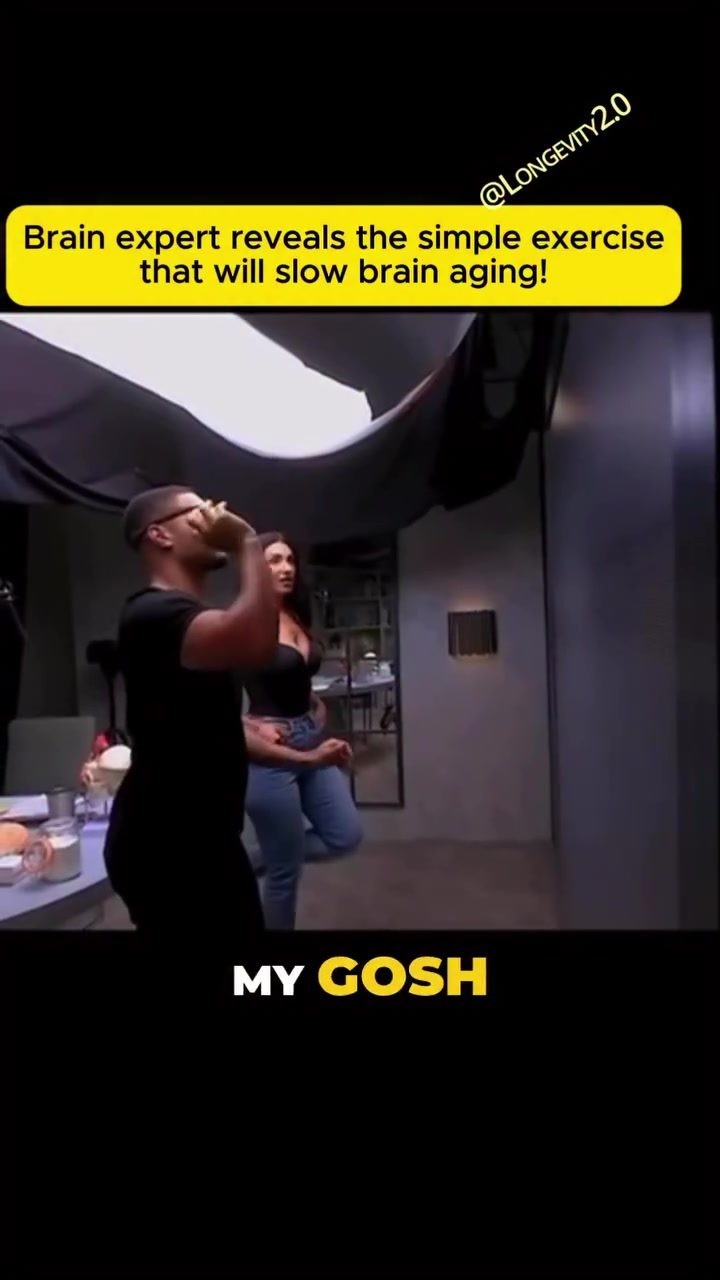
Eye Patch Exercise: Slowing Brain Aging with a Simple Drill
Brain exercise has long been recognized as a crucial component of maintaining cognitive health. But did you know that something as simple as wearing an eye patch and tracking a moving tennis ball can significantly improve your brain's functions? This unique exercise, as demonstrated by the brand LONGEVITY20, is designed to challenge and enhance various aspects of brain function, from executive functions to motor skills.
Why This Matters
Why should you care about this exercise? Brain health is intricately linked to our overall well-being. As we age, the brain's ability to process information, coordinate movements, and make decisions can decline. However, engaging in activities that challenge the brain can slow down this aging process and even enhance cognitive reserve. By building new neural connections and strengthening existing ones, this exercise helps keep the brain sharp and resilient.
The Science Behind the Eye Patch Exercise
This eye patch exercise works by disrupting binocular vision, which is our ability to use both eyes to perceive depth. Under normal conditions, both eyes capture slightly different angles, and the brain integrates this information to create a 3D view of the world. When one eye is covered with a patch, the brain must reweight visual input and rely more heavily on alternative systems.
Engaging Multiple Brain Regions
When you wear an eye patch and track a moving tennis ball, several brain regions become actively engaged:
- Prefrontal Cortex: Responsible for executive functions and decision-making, this area helps you plan, organize, and execute tasks.
- Parietal Lobe: Involved in spatial processing, it helps you understand where objects are in relation to one another and to yourself.
- Cerebellum: Crucial for timing and coordination, the cerebellum ensures that your movements are smooth and precise.
- Basal Ganglia: This area refines motor patterns, helping you perform actions more efficiently.
Enhancing Neural Connections
The exercise forces the brain to predict the ball's trajectory using incomplete visual data, significantly increasing neural demand. This challenge promotes cross-talk between sensory and motor networks, a process known as sensorimotor integration. Over time, this leads to:
- Stronger Neural Pathways: The more you practice, the stronger and more efficient your neural connections become.
- Better Myelination: Frequently used neural circuits become better insulated, allowing for faster and more efficient communication between brain cells.
- Improved Network Efficiency: The brain adapts to the challenge, becoming more resilient to stress and aging-related decline.
Practical Tips for Maximum Benefit
To get the most out of this exercise, follow these practical tips:
Start Slowly
Begin with shorter sessions and gradually increase the duration as your brain adapts. The key is to find a level of challenge that feels slightly uncomfortable and mentally taxing, as this is the stimulus needed to drive synaptic plasticity.
Focus on Form
Ensure that you maintain proper posture and focus on the ball. Proper form helps maximize the exercise's benefits and reduces the risk of injury.
Incorporate Variety
Try different variations of the exercise, such as changing the speed or trajectory of the ball. This keeps your brain engaged and prevents boredom.
Consistency is Key
Like any exercise, consistency is crucial. Aim to practice this drill regularly to see lasting improvements in your brain's function and overall cognitive health.
Listen to Your Body
Pay attention to how your body responds to the exercise. If you feel any discomfort or strain, take a break and adjust the intensity accordingly.
Important Takeaways
Enhances Cognitive Reserve
By engaging multiple brain regions and promoting neural connections, this exercise helps build cognitive reserve, which is the brain's ability to adapt and compensate for age-related decline.
Improves Executive Functions
The drill enhances executive functions, including decision-making, planning, and organization, making it a valuable tool for maintaining mental sharpness.
Boosts Motor Skills
The exercise improves hand-eye coordination and motor pattern refinement, which can benefit both athletes and non-athletes alike.
Promotes Overall Brain Health
Regular practice of this drill can contribute to overall brain health by increasing neural demand and promoting cross-talk between sensory and motor networks.
Conclusion
The eye patch exercise is a simple yet powerful tool for enhancing brain health. By challenging your brain to adapt to a new visual environment, you can improve cognitive reserve, executive functions, and motor skills. Whether you're an athlete looking to improve performance or someone seeking to maintain mental sharpness, this drill offers a practical and effective way to stay mentally fit. Incorporate it into your routine and watch as your brain adapts and thrives.
Watch the Reel
Questions readers ask
What specific brain functions does the eye patch exercise target?
The eye patch exercise engages executive functions, motor skills, and spatial processing. These are critical areas for maintaining cognitive health and can help slow down age-related declines.
How does wearing an eye patch enhance cognitive functions?
Wearing an eye patch creates a visual challenge, forcing the brain to work harder to process and coordinate movements. This intense focus on visual processing and neural coordination leads to improved cognitive skills.
Can this exercise really help slow down brain aging?
Yes, by challenging multiple brain regions, the eye patch exercise helps to slow down the natural decline in cognitive abilities that occurs with age. Regular practice can maintain and even enhance brain functions over time.
What makes the eye patch exercise different from other brain exercises?
Unlike traditional brain exercises that might focus on single tasks like puzzles or memory games, the eye patch exercise combines visual, motor, and cognitive challenges all at once. This holistic approach offers a more comprehensive workout for the brain.
How do I perform the eye patch exercise correctly?
To perform the exercise, wear an eye patch over one eye and track a moving object, such as a tennis ball, with your other eye. Focus on keeping the object in your line of sight as it moves, engaging your brain in a dynamic challenge.
What benefits can I expect from regular eye patch exercise?
Regular practice of the eye patch exercise can lead to better cognitive skills, improved motor coordination, and enhanced visual processing. These benefits contribute to overall brain health and may help in maintaining daily activities with greater ease.
Is the eye patch exercise suitable for everyone?
The eye patch exercise is generally safe and beneficial for most individuals. However, those with certain visual impairments or medical conditions should consult a healthcare provider before starting any new exercise routine.
Recent articles
Fresh deep dives from the latest Reels we unpacked.




Comments
Be the first to comment.