Giant African Millipede Care
Giant African millipedes are fascinating creatures that require specific care, particularly a humid environment. Their diet consists mainly of decaying leaves and other organic matter, making them excellent for terrariums. One of the interesting aspects of their care involves using bamboo as enrichment in their habitat.
Why Growing a Bamboo Bonsai Takes Years
Giant African millipedes require a terrarium that mimics their natural habitat. This involves including elements like bamboo, which not only provides enrichment but also helps maintain the necessary humidity. Bamboo is an interesting choice because of its unique growth patterns and how it can be shaped with careful cultivation. To understand why bamboo is used in terrariums, it's helpful to explore the art of bonsai.
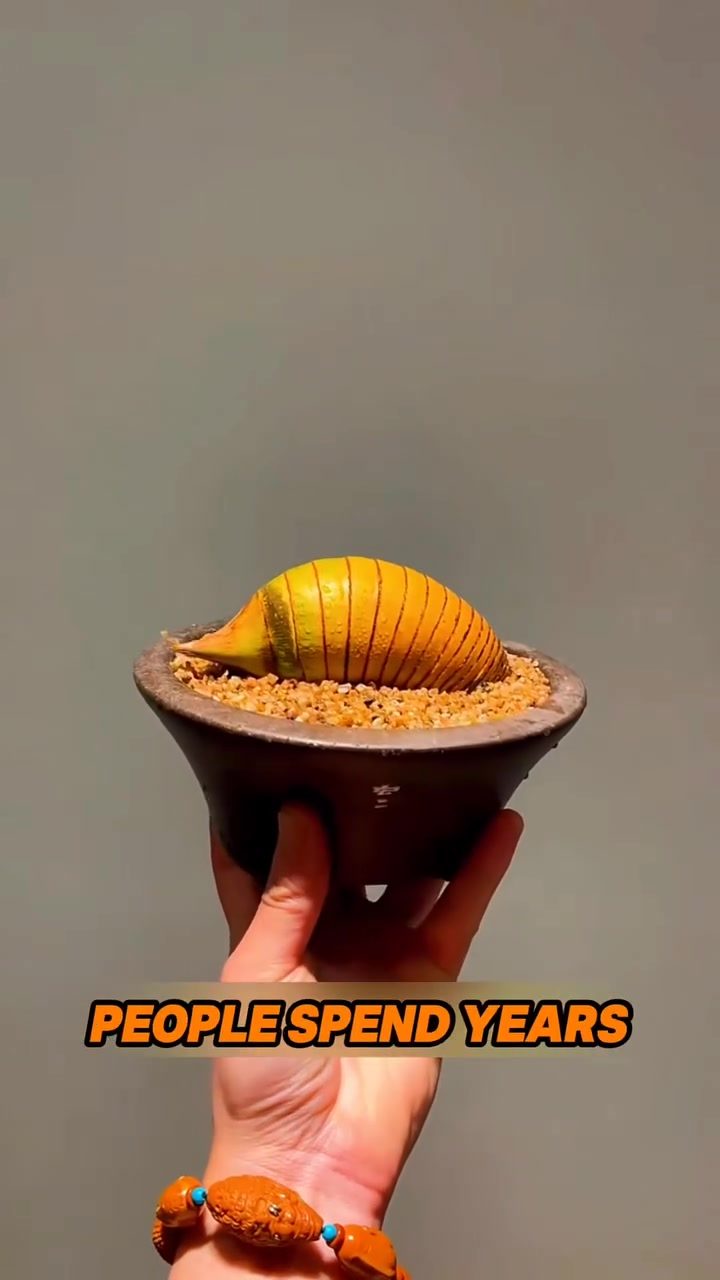
Bamboo is one of the fastest-growing plants on Earth. It can grow more than half a meter in a single day, which makes it both remarkable and challenging to cultivate. Imagine the patience required to grow a bamboo bonsai that looks like a giant caterpillar. This process involves more than just letting the bamboo grow naturally.
Bonsai masters spend years cultivating bamboo by carefully pruning it. Every new shoot is cut off as soon as it appears, forcing the plant to divert all its nutrients into the roots. Over time, the roots swell and thicken, forming distinctive rings and bumps that resemble a crawling caterpillar. This intricate process demands immense patience and skill. The slightest misstep can steal nutrients from the roots, slowing their development and wasting years of work. Once the roots achieve the perfect caterpillar shape, the grower finally allows the bamboo to grow normally. After years of dedication, this unusual root becomes the centerpiece of the bonsai. The best specimens can sell for tens of thousands of dollars, showcasing the harmonious blend of craftsmanship and nature.
Terrarium Setup for Giant African Millipedes
Humidity and Substrate
Maintaining the right humidity level is crucial for giant African millipedes. These creatures thrive in environments with high humidity, which can be achieved by using a terrarium with a secure lid. The substrate should be designed to retain moisture. A mixture of coco fiber, peat moss, and soil works well. This combination not only maintains humidity but also provides a natural environment for the millipedes to burrow.
Enrichment and Decoration
Bamboo is an excellent choice for enrichment in a terrarium. It not only adds to the aesthetic appeal but also provides a natural habitat for the millipedes. The bamboo can be placed in a way that it mimics their natural environment, allowing them to climb and explore. In addition to bamboo, other plants and decorations can be added to the terrarium to create a more stimulating environment.
Feeding and Maintenance
Feeding giant African millipedes is relatively simple. They primarily feed on decaying leaves and other organic matter. This can include dead plant material, fruit, and vegetables that are safe for them to consume. It's important to ensure that the food is free from pesticides and other harmful chemicals. Regularly removing uneaten food and cleaning the terrarium helps maintain a healthy environment.
Practical Tips for Giant African Millipede Care
Creating the Ideal Terrarium
Creating the ideal terrarium for a giant African millipede involves several steps. First, choose a terrarium that is large enough to accommodate the millipede and provide enough space for it to move around. A secure lid is essential to maintain the necessary humidity levels. The substrate should be a mix of coco fiber, peat moss, and soil. This combination provides the necessary moisture and allows the millipedes to burrow.
Providing Enrichment
Bamboo is an excellent choice for enrichment in a terrarium. It not only adds to the aesthetic appeal but also provides a natural habitat for the millipedes. The bamboo can be placed in a way that it mimics their natural environment, allowing them to climb and explore. In addition to bamboo, other plants and decorations can be added to the terrarium to create a more stimulating environment.
Maintaining Humidity
Maintaining the right humidity level is crucial for giant African millipedes. These creatures thrive in environments with high humidity, which can be achieved by using a terrarium with a secure lid. Regularly misting the terrarium and providing a water dish can also help maintain the necessary humidity levels.
Important Takeaways
Giant African millipedes are fascinating creatures that require specific care. Their diet consists mainly of decaying leaves and other organic matter, making them excellent for terrariums. One of the interesting aspects of their care involves using bamboo as enrichment in their habitat. This unique approach to enrichment also highlights the art of bonsai, where patience and skill are required to create a stunning display of craftsmanship and nature.
Conclusion
Giant African millipedes offer a fascinating glimpse into the world of exotic pets. Their care involves creating a terrarium that mimics their natural habitat, using bamboo as enrichment, and maintaining the right humidity levels. While this might seem challenging, with the right knowledge and dedication, anyone can provide a healthy and stimulating environment for these remarkable creatures.
Watch the Reel
Questions readers ask
What specific techniques are used to create caterpillar roots in bonsai bamboo?
Cultivators carefully prune new shoots to redirect nutrients, promoting the development of distinctive bumps and rings in the roots. This technique is the product of years of meticulous care and patience, allowing the roots to resemble a caterpillar's segmented body.
How does pruning contribute to the development of bonsai bamboo roots?
Pruning is essential for directing nutrients into the roots, promoting the growth that mimics a caterpillar's roots. It also helps cultivate a harmonious balance between the plant's growth and the artistic vision.
Why is bamboo a good choice for terrarium enrichment, especially for Giant African millipedes?
Bamboo provides not only a natural structure for exploration but also maintains the humidity levels that Giant African millipedes need. Its unique growth patterns and the ability to be shaped make it a visually appealing and functional addition to any terrarium.
What are the key aspects of caring for a bonsai bamboo to ensure healthy root development?
Regular pruning, ensuring proper nutrient distribution, and patience are key. Cultivators should focus on guiding the growth and maintaining a healthy balance between the above-ground growth and the root system.
Can bamboo bonsai be crafted from any type of bamboo, or are there specific varieties suitable for this art form?
Certain varieties of giant bamboo are typically chosen for bonsai crafting due to their ability to develop thicker, stronger roots. Cultivators often select these varieties for their resilience and suitability for shaping, enhancing the overall aesthetic.
Related deep dives
Similar reads based on topic and creator.
Recent articles
Fresh deep dives from the latest Reels we unpacked.




Comments
Be the first to comment.