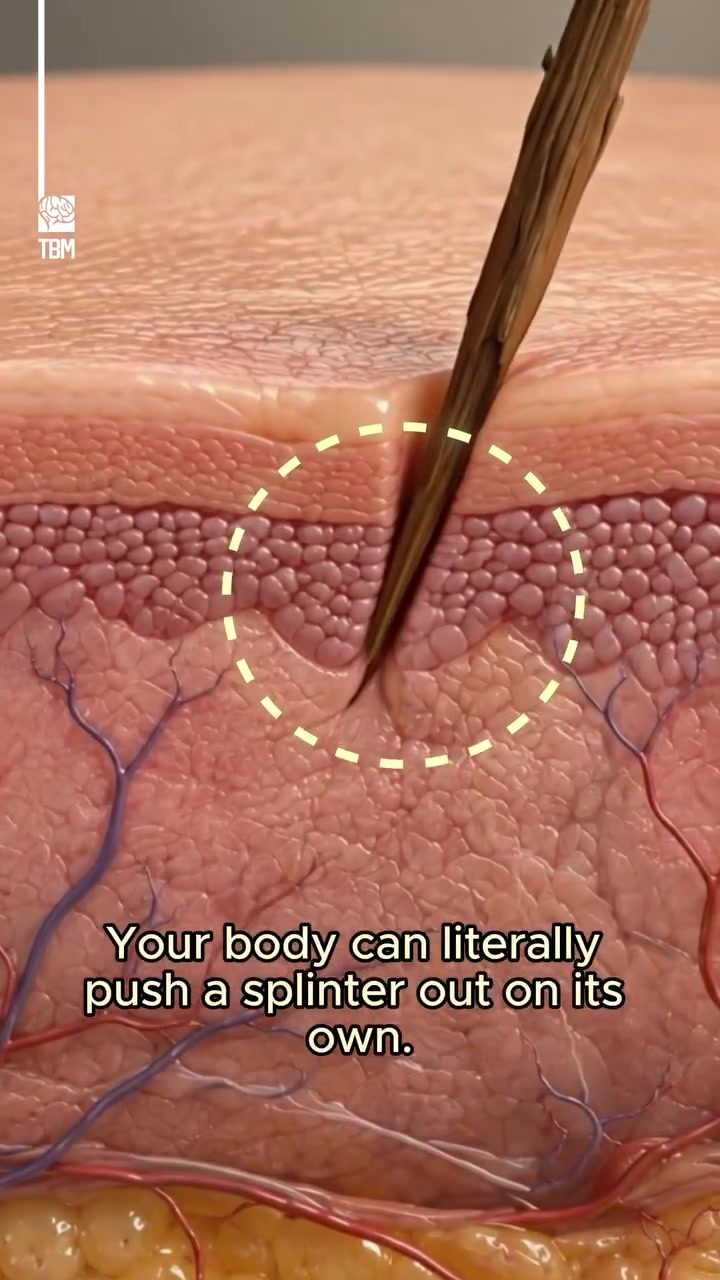
Splinter Removal: The Body's Natural Defense Mechanism
Splinters are a common nuisance, but did you know that your body has a remarkable ability to remove them on its own? The process involves a complex interplay of immune responses and skin regeneration. Here, we explore how the body acts like a tiny defense machine to expel unwanted intruders.
Why This Matters
Understanding how the body removes splinters can provide insight into the immune system's powerful capabilities. This knowledge can also offer a new perspective on minor injuries and the body's natural healing processes.
The Immune System’s Response to Splinters
Immediate Reaction
When a splinter pierces the skin, the body immediately recognizes it as an invader. The immune system springs into action, increasing blood flow to the affected area. This rush of blood brings white blood cells, which trigger inflammation. The redness, swelling, and tenderness that follow are not random; they serve a crucial purpose. This inflammatory response helps isolate the splinter, protecting the surrounding tissue from further damage.
Isolation and Protection
The body doesn't just stop at inflammation. It starts building new skin cells beneath the splinter, slowly forcing the foreign object upward. This process is a deliberate attempt to isolate and eventually expel the intruder. The body's ability to grow new skin cells under the splinter is a testament to its remarkable regenerative capabilities. Over time, the pressure from swelling and healing can push the splinter right back out, effectively ejecting the tiny intruder.
Formation of Pus
Pus formation is another critical aspect of the body's defense mechanism. Pus traps bacteria and debris, preventing them from spreading and causing further infection. This natural cleansing process helps ensure that the wound heals cleanly and efficiently.
The Role of Skin in Splinter Removal
Skin Layers and Splinter Movement
The skin plays a pivotal role in the splinter removal process. The microscopic view of a splinter embedded in human skin reveals how the body manipulates the splinter within the tissue. The splinter's movement is carefully orchestrated by the body's immune response and skin regeneration. Cross-sections of skin layers show how new skin cells push the splinter upward, eventually forcing it out.
Natural Healing Process
The natural healing process involves several stages. Initially, the body isolates the splinter through inflammation. Then, it builds new skin cells underneath, creating pressure that gradually forces the splinter outward. This process can take time, but it is a testament to the body's inherent ability to heal itself.
Practical Tips for Handling Splinters
Home Remedies
While the body can often remove splinters on its own, sometimes intervention is necessary. Home remedies can be effective in speeding up the process. Soaking the affected area in warm water can help soften the skin and make the splinter easier to remove. Using a sterile needle or tweezers to carefully extract the splinter can also be helpful.
Medical Intervention
If a splinter is deeply embedded or causing significant discomfort, seeking medical attention may be necessary. A healthcare professional can safely remove the splinter and ensure that the wound is properly cared for to prevent infection.
Preventing Splinters
Preventing splinters is often the best course of action. Wearing protective gear, such as gloves, when working with wood or other materials that could cause splinters can be very effective. Keeping your hands and feet clean and moisturized can also help reduce the risk of splinters.
Important Takeaways
The body's ability to remove splinters on its own is a fascinating example of its natural defense mechanisms. From the initial immune response to the formation of pus and the growth of new skin cells, the process is intricate and effective. Understanding this process can provide valuable insights into how the body protects and heals itself.
Conclusion
Splinters, while annoying, offer a glimpse into the body's remarkable healing and defense mechanisms. The immune system's response, combined with the skin's regenerative capabilities, creates a powerful system for expelling unwanted intruders. By understanding this process, we can appreciate the body's natural defenses and take steps to support its healing processes.
Watch the Reel
Questions readers ask
How does the body's immune system react when a splinter enters the skin?
Upon entry, the body identifies the splinter as a foreign object. White blood cells rush to the area, releasing histamines to fight off infection and initiate the healing process. This response helps to isolate the splinter and promotes its eventual expulsion.
What role does skin regeneration play in splinter removal?
Skin regeneration is crucial for splinter removal. As the body works to heal the wound, new skin cells form around the splinter, pushing it out over time. This gradual process helps to expel the splinter without causing further damage to the surrounding tissue.
How long does it typically take for the body to remove a splinter on its own?
The time it takes for the body to remove a splinter can vary. Small splinters may be expelled within a few days, while larger ones can take several weeks. Factors such as the depth of the splinter and the individual's immune response can influence this process.
Can the body's natural splinter removal process be assisted or sped up?
While the body is capable of removing splinters on its own, there are ways to assist the process. Soaking the affected area in warm water can help draw out the splinter, and tweezers or a sterile needle can be used to gently coax it out. However, it's important to be careful to avoid pushing the splinter deeper.
What happens if a splinter is not removed promptly?
If a splinter is not removed promptly, it can lead to infection or inflammation. The body will continue to try to expel the splinter, but the process may take longer and cause more discomfort. It's important to monitor the area for signs of infection, such as increased redness, swelling, or pus.
Are there any instances where medical intervention is required for splinter removal?
Medical intervention may be necessary if the splinter is deeply embedded, causing significant pain, or if there are signs of infection. In such cases, a healthcare professional can use specialized tools to safely remove the splinter and provide appropriate treatment to prevent further complications.
How does understanding the body's splinter removal process benefit us?
Knowing how the body removes splinters can offer a better understanding of the immune system's functions and the skin's natural healing capabilities. This knowledge can promote patience and better care during minor injuries, reducing the temptation for unnecessary interventions.
Related deep dives
Similar reads based on topic and creator.




Recent articles
Fresh deep dives from the latest Reels we unpacked.




Comments
Be the first to comment.