Body Odor Explained
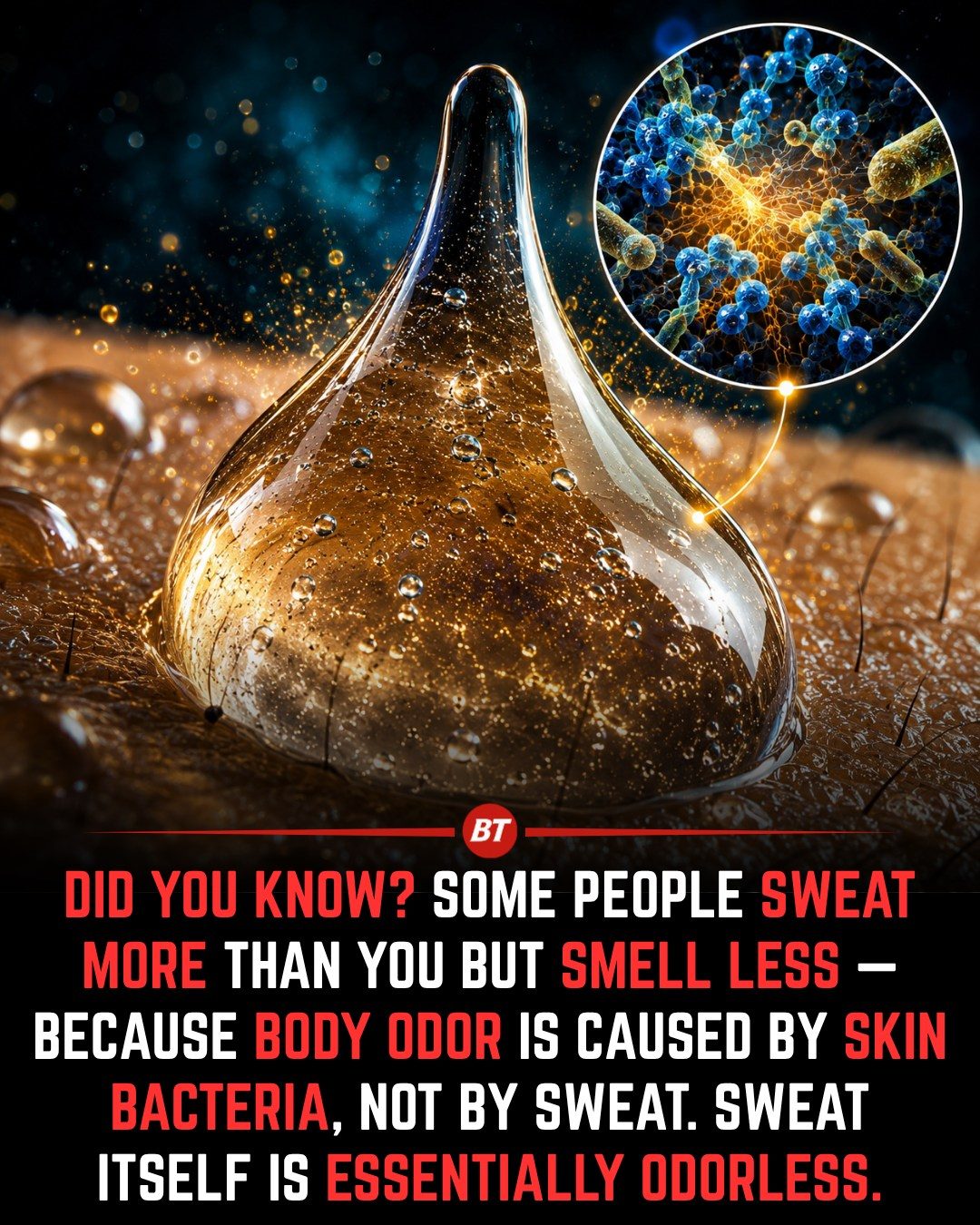
Body odor is a common concern, but the science behind it is not widely understood. Many people assume that sweating automatically leads to body odor, but the truth is more nuanced. Fresh sweat is essentially odorless; the smell develops only after it interacts with bacteria that naturally live on the skin. This interaction is central to understanding body odor.
Context / Why this matters
Body odor can significantly impact self-confidence and social interactions. Understanding its origins can help people manage and reduce it more effectively. By learning about the role of bacteria and the types of sweat glands, individuals can make informed decisions about hygiene and personal care.
Main discussion
The Role of Bacteria
Body odor is primarily caused by skin bacteria rather than sweat itself. When sweat comes into contact with these bacteria, they break down the sweat compounds, producing the characteristic odors we recognize as body odor.
Types of Sweat Glands
The human body has two main types of sweat glands: eccrine and apocrine.
Eccrine Glands
Eccrine glands are found across most of the body and produce a sweat that is mostly water and electrolytes. This type of sweat is designed to help cool the body down and typically has very little odor. It is the body's primary cooling mechanism and is odorless until it interacts with bacteria.
Apocrine Glands
Apocrine glands, on the other hand, are concentrated in areas such as the armpits and groin. These glands release a thicker fluid containing proteins and fats. When skin bacteria break down these compounds, they produce the stronger smells associated with body odor. This is why areas like the armpits and groin are more prone to odor.
Factors Influencing Body Odor
Several factors influence how much odor develops, including:
- Types of Bacteria: The specific strains of bacteria living on the skin play a crucial role. Some people naturally host bacterial communities that produce fewer odor-causing compounds, while others harbor strains that generate stronger-smelling molecules.
- Genetics: Genetic factors can influence the composition of sweat and the types of bacteria that thrive on the skin.
- Hygiene Habits: Regular bathing and cleaning can help reduce the bacterial population on the skin, thereby minimizing body odor.
- Diet: Certain foods and beverages can affect body odor. For example, spices, garlic, and onions are known to influence sweat composition.
- Hormones: Hormonal changes, such as those occurring during puberty or menopause, can affect sweat production and composition.
- Clothing Choices: Tight-fitting or non-breathable fabrics can trap sweat and bacteria, exacerbating body odor.
Practical tips
Maintain Good Hygiene
Regular showering and using antibacterial soaps can help reduce the bacterial population on the skin, minimizing body odor.
Choose the Right Clothing
Opt for breathable fabrics like cotton and avoid tight-fitting clothes that can trap sweat and bacteria. Changing clothes regularly, especially after physical activities, can also help.
Use Antiperspirants and Deodorants
Antiperspirants can help reduce sweat production, while deodorants can mask odors. Look for products that contain antibacterial agents to target the bacteria causing odor.
Watch Your Diet
Certain foods and beverages can affect body odor. Limiting intake of strong-smelling foods like garlic, onions, and spices can help reduce odor.
Stay Hydrated
Drinking plenty of water helps dilute sweat, making it less concentrated and less likely to produce strong odors when it interacts with bacteria.
Important takeaways
Body odor is not solely caused by sweating; it is the result of bacteria breaking down sweat compounds. Understanding the types of sweat glands and the role of bacteria can help manage and reduce body odor. Factors like genetics, hygiene, diet, and clothing choices all play a part in how much odor develops. By taking practical steps, individuals can effectively manage body odor and boost their confidence.
Conclusion
Body odor is a complex issue influenced by various factors, but understanding its underlying science can make a significant difference. By focusing on hygiene, diet, and clothing choices, anyone can take control of their body odor and live more confidently.
Watch the Reel
Questions readers ask
What causes body odor if sweat is odorless?
Body odor is primarily caused by bacteria on the skin breaking down sweat. The interaction between sweat and these bacteria produces the unpleasant smell, not the sweat itself. This is why keeping skin clean and managing bacterial growth is crucial for odor control.
What are the different types of sweat glands and their roles in body odor?
There are two main types of sweat glands: eccrine and apocrine. Eccrine glands are found all over the body and produce a watery, odorless sweat. Apocrine glands, located in areas like the armpits and groin, produce a thicker sweat that is odorless but contains proteins and lipids that bacteria can break down, leading to body odor.
How does diet influence body odor?
Diet can indirectly influence body odor by affecting the composition of sweat. Certain foods, such as garlic, onions, and spices, can be excreted through sweat and may contribute to a stronger odor when broken down by bacteria. Staying hydrated and maintaining a balanced diet can help manage body odor.
Why does body odor vary from person to person?
Body odor can vary greatly due to factors like genetics, hormones, diet, and hygiene practices. The specific types of bacteria on a person's skin, which can be influenced by these factors, play a significant role in how sweat smells after bacterial breakdown.
What are some effective strategies to reduce body odor?
Maintaining good hygiene is key. Regularly showering and using antibacterial soaps can help control bacterial growth. Additionally, wearing breathable fabrics, using antiperspirants, and keeping areas prone to sweating dry can all contribute to managing body odor effectively.
Can dehydration affect body odor?
Yes, dehydration can make body odor more pronounced. When the body is dehydrated, sweat becomes more concentrated, and bacteria have more substances to break down, leading to a stronger odor. Staying well-hydrated can help dilute sweat and reduce its odor.
How do antiperspirants and deodorants differ in managing body odor?
Antiperspirants work by temporarily blocking the sweat glands to reduce sweating, which in turn reduces the amount of material available for bacteria to break down. Deodorants, on the other hand, mask the odor by fragrance and may also contain antibacterial agents to control bacterial growth. Using both can be effective in managing body odor.
Related deep dives
Similar reads based on topic and creator.




Recent articles
Fresh deep dives from the latest Reels we unpacked.




Comments
Be the first to comment.