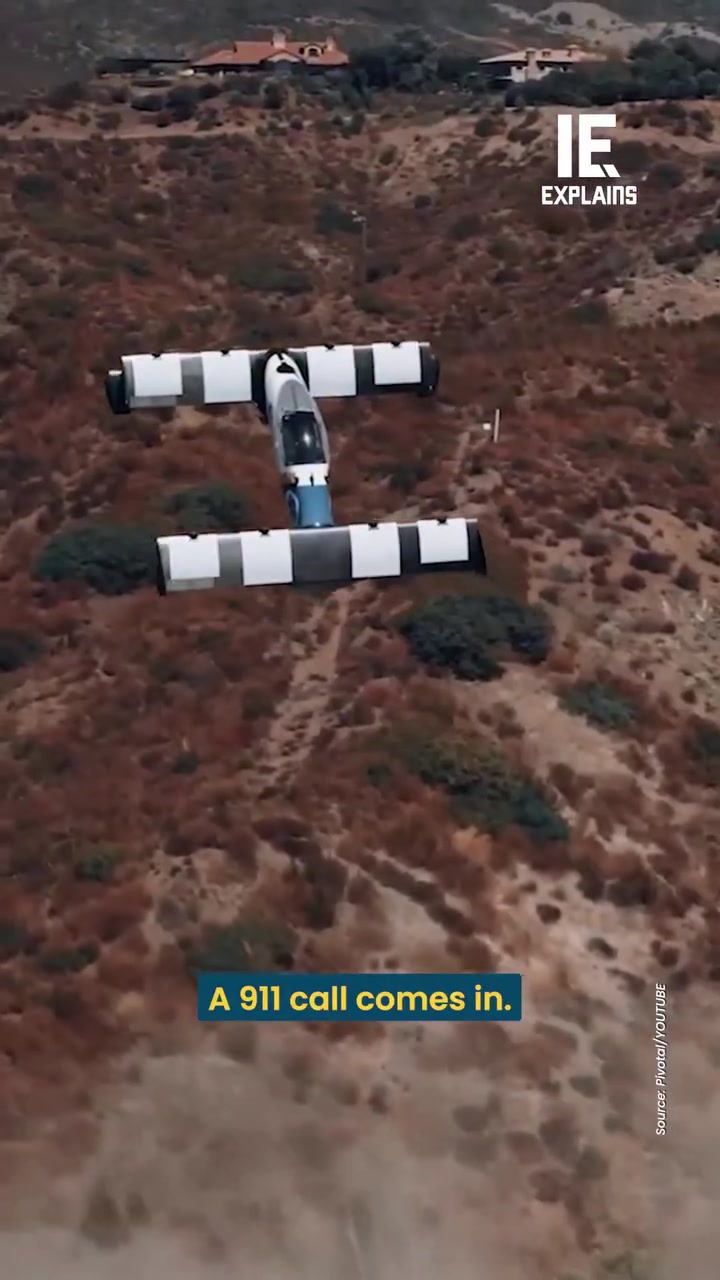
A paramedic takes off vertically from a field to answer a 911 call. Recent demonstrations of the aircraft called the BlackFly drone revealed how an electric vehicle can dramatically cut response times in rural settings. The machine is an ultralight designed as a part 103, which exempts it from pilot licensing requirements. This drone had no passengers. Instead, it carried essential medical equipment to the scene of an emergency.
A flying ambulance's winged cousin
The BlackFly drone is an electric, single-seat aircraft designed for vertical takeoff and landing (VTOL). Eight electric motors power it, two stacked wings support it and a pilot flies it as a paramedic or medic. The vehicle can reach speeds of 62 miles per hour, with its electric motors allowing up to 20 miles of flight each battery cycle, or at most 20 minutes. "They take off vertically," meaning that the eight motors are used to lift the aircraft into the air and fly to its destination. The drone is powered by a battery that provides a range of about 20 miles, with extra power in case of unexpected problems. The drone uses two stacked wings to fly, not unlike the design of a common paper airplane. The wings then tilt as the airframe rearranges itself to fly horizontally. The empty weight of the craft is under 350 pounds. The drone is designed to handle a good portion of the speed, fuel efficiency and carrying capacity of a common car.
The drone’s role in rural healthcare
Some areas require a quicker response time to potential emergencies than an ambulance can provide. Its use in Hyde County, North Carolina is a case in point. The county is 1,459 square miles in size, with about 5,000 people, and more than half of its territory is underwater. South Carolina's Hyde County has a large population center on one coast of a big lake, an island near the opposite coast, and a swamp. There are no hospitals to speak of. Hyde County has terrain that often requires ambulance drivers to travel the long way around, and a dense population at a medical facility. Emergency crews can get to emergencies faster, when they can take the shortest route in the sky instead of going through a maze of roads.
The BlackFly’s unique design
The BlackFly drone features a lightweight, stacked-wing design. Its eight electric motors provide vertical lift and horizontal flight, allowing it to take off and land like a helicopter. During flight, its wings tilt, optimizing battery use. The drone's empty weight, under 350 pounds, makes it a lightweight vehicle. The frame tilts over and flies on its wings, extending the battery's range while allowing the drone to reach higher speeds. The weight is a part of the design that goes into it. Every ounce counts in design, especially with the array of electronic components, and it's necessary to be able to fly.
The paramedic’s role in the equipment
The drone carries essential medical equipment rather than a patient. This allows a paramedic to fly the drone to the site of an emergency, and act as a medic. The aircraft carried a cardiac monitor, airway gear, and a response bag for emergencies. The medic can get to the patient quickly. This is more critical when the ambulance does not have the proper equipment. It is difficult to carry a patient. The drone is a single-seat vehicle, and the weight and space make it impossible to carry a patient. However, the paramedic can land at a scene, deliver the necessary equipment.
The BlackFly’s advantages over traditional transport
Drone transport has some advantages over traditional transport methods. The vehicle used in this instance took part in a demonstration where a paramedic flew the drone to a potential emergency. The drone arrived 20 minutes before the ambulance that had taken the long way around. Several of these units have been tested to deliver first aid supplies needed in an emergency. Normally, these drones would be found in recreational settings, but the crew was testing its potential medical applications. They can augment a search and rescue effort, but the ambulance services can often use them to deliver medical equipment in emergencies.
The BlackFly drone’s practical use for you as a potential buyer
- Emergency personnel: Pivotal airframes are available to use to deliver supplies and aid to emergencies. The drone is small and easily portable. It can be used in many situations where transport over land is slow or impossible.
- Recreational drones: This vehicle is classified as a part 103 ultralight. It can be used as a quick, efficient way to get around without a vehicle with licensing or regulations beyond standard drone use, and it can fly up to 62 miles per hour.
- Medical professionals: Drone transportation provides a solution to problems that could affect people in rural areas. The BlackFly drone can take off and land vertically, allowing for transport over difficult terrain.
The drone may show up in more places
Drone aircraft may find a place in rural care for emergencies, and the US military is already using drones for surveillance. It may be possible to integrate drones into the gridwork of rural health centers and emergency transport. The vehicles do not carry a patient, but can be used in drop or fly-by roles to deliver a variety of medical aids that can help patients in emergencies.
Watch the Reel
Questions readers ask
How does the BlackFly drone manage to take off and land vertically like a helicopter?
The BlackFly drone uses eight electric motors to achieve vertical takeoff and landing. These motors lift the aircraft into the air and then tilt the wings, allowing it to fly horizontally. This design combines the capabilities of a helicopter and an airplane, making it versatile for emergency response in rural areas.
What kind of medical equipment does the BlackFly drone carry to emergency scenes?
The drone is equipped with essential medical supplies such as a cardiac monitor, airway gear, and a response bag. These items are crucial for providing immediate medical attention until further help arrives.
How does the BlackFly drone's design help it navigate rural terrain more effectively than traditional ambulances?
The BlackFly drone's vertical takeoff and landing capabilities allow it to bypass obstacles and navigate directly to the emergency site. This is particularly useful in rural areas with challenging terrain, where roads may be limited or impassable.
Is the BlackFly drone exempt from pilot licensing requirements, and if so, why?
Yes, the BlackFly drone is exempt from pilot licensing requirements because it is classified as an ultralight under Part 103. This exemption is due to its lightweight design, which keeps it under 350 pounds, making it easier to operate and more accessible for emergency response teams.
What are the limitations of the BlackFly drone’s battery life, and how does it handle unexpected problems?
The BlackFly drone has a battery range of about 20 miles, or roughly 20 minutes of flight time. It includes extra power for unexpected issues, but this range might limit its use in very remote or widespread emergencies. Its design prioritizes efficiency and speed, which is crucial for quick response times in emergencies.
Can the BlackFly drone be used in areas other than Hyde County, and how might its use vary in different settings?
The BlackFly drone can be used in other rural or remote areas where traditional ambulances face challenges. Its effectiveness will vary based on the terrain, population density, and the specific needs of the community. In areas with similar challenges to Hyde County, the drone could significantly improve emergency response times.
How does the BlackFly drone's speed and range compare to that of a traditional ambulance?
The BlackFly drone can reach speeds of 62 miles per hour and has a range of about 20 miles per battery cycle. While this is faster than an ambulance, the drone's range is limited by its battery life, making it more suitable for shorter distances, especially in rural areas where direct flight paths can be shorter than road distances.
Related deep dives
Similar reads based on topic and creator.
Recent articles
Fresh deep dives from the latest Reels we unpacked.


Comments
Be the first to comment.