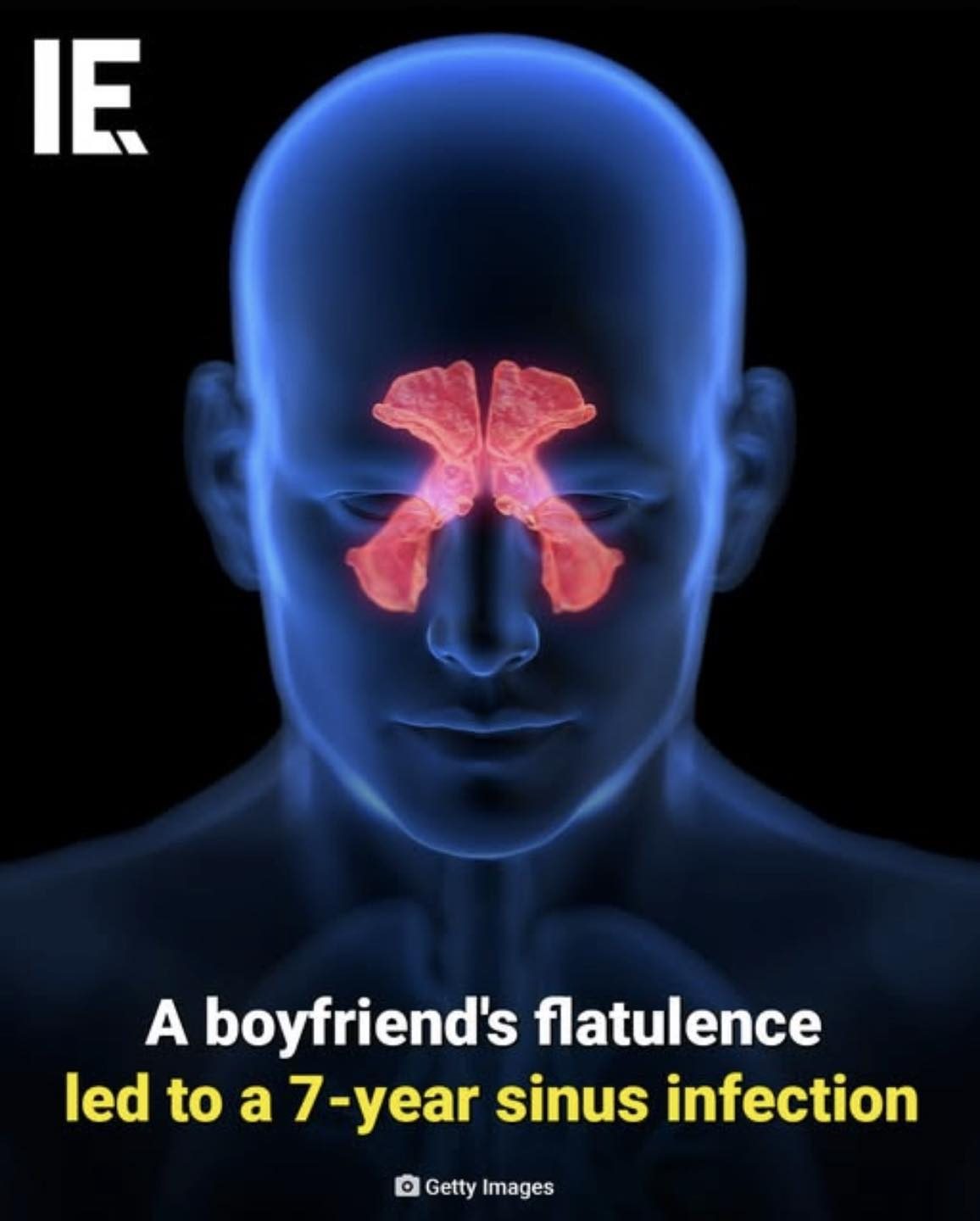
The Unusual Case of a Seven-Year Sinus Infection Caused by Flatulence
Sinus infections are typically caused by viruses or allergies, but in the case of Christine Connell, the culprit was something far more unusual: flatulence. In 2018, Connell developed a 7-year sinus infection after unintentionally inhaling E. coli bacteria from her boyfriend's flatulence. This strange medical case serves as a vivid reminder of how unexpected bacterial exposure can lead to serious health complications, especially for those with compromised immune systems.
Context / Why This Matters
While it might seem far-fetched, Connell's case highlights the importance of understanding how everyday activities and environments can impact our health. Bacteria are present everywhere, and even in seemingly innocuous situations, they can cause significant infections. It is particularly notable that the bacteria responsible for this infection was E. coli, a common cause of urinary tract infections and a rare cause of sinus infections.
Main Discussion
The Unlikely Pathogen: E. coli in Sinus Infections
E. coli is a type of bacteria often found in the intestines and is typically harmless when it remains in the gut. However, when it enters other parts of the body, it can cause severe infections. For Connell, the bacteria entered her sinuses through inhalation, a route that is not commonly associated with E. coli infections.
The Role of a Compromised Immune System
Connell's immune system was already weakened due to her recovery from ankle surgery. This compromised state allowed the E. coli bacteria to settle deep within her sinuses, leading to a persistent infection that lasted for seven years. This underscores the importance of immune health and the need for caution in environments where bacterial exposure is possible, particularly for those with weakened immune systems.
The Diagnosis and Treatment Journey
Doctors discovered the cause of Connell's sinus infection years later, highlighting the complexity and difficulty of diagnosing unusual infections. The delayed diagnosis meant that Connell had to live with a chronic infection for an extended period, undergoing various treatments and ultimately facing surgery to remove the lingering infection. Her case emphasizes the need for vigilance in diagnosing and treating infections, especially those that present in atypical ways.
Practical Tips
Maintaining Good Hygiene and Immune Health
To minimize the risk of infections, particularly for those with compromised immune systems, it is essential to maintain good hygiene practices. This includes regular handwashing, disinfecting surfaces, and avoiding environments where bacterial exposure is high. Additionally, focusing on immune health can help the body fight off infections more effectively. Eating a balanced diet rich in vitamins and minerals, getting adequate sleep, and managing stress are all important factors in boosting the immune system.
Seeking Prompt Medical Attention
If you suspect you have a sinus infection, seeking prompt medical attention is crucial. Early intervention can prevent the infection from becoming chronic and reduce the likelihood of complications. Medical professionals can perform tests to determine the cause of the infection and prescribe appropriate treatment, which may include antibiotics or other medications.
Recognizing the Signs of a Sinus Infection
Knowing the signs of a sinus infection can help in early detection. Common symptoms include nasal congestion, facial pain or pressure, and a thick, yellow or green nasal discharge. If these symptoms persist for more than a week or worsen, it is important to consult a healthcare provider.
Important Takeaways
Christine Connell's case is a rare but real reminder of how unexpected bacterial exposure can lead to serious health complications. While flatulence may not be a typical source of infection, it underscores the need for caution in everyday activities and environments. Maintaining good hygiene, boosting immune health, and seeking prompt medical attention are all important steps in preventing and treating infections.
For those with compromised immune systems, additional precautions may be necessary to minimize the risk of infection. Regular check-ups and consultations with healthcare providers can help in monitoring immune health and addressing any potential issues early.
Conclusion
Chronic sinus infections can have a significant impact on quality of life, as Christine Connell's case demonstrates. Her experience highlights the importance of being aware of the various sources of bacterial exposure and taking steps to minimize infection risk. By maintaining good hygiene, boosting immune health, and seeking prompt medical attention, individuals can protect themselves from unexpected infections and ensure better overall health.
Watch the Reel
Questions readers ask
Can flatulence really cause a sinus infection?
Yes, as the case of Christine Connell shows, inhaling certain bacteria from flatulence can lead to a sinus infection, although this is an extremely rare occurrence.
What types of bacteria were involved in this unusual sinus infection?
The bacteria involved in this case was E. coli, which is commonly found in the human intestine and can cause a variety of infections if it enters other parts of the body.
What steps can be taken to prevent unusual sinus infections?
While it's impossible to eliminate all risks, maintaining good hygiene, avoiding close contact with bodily fluids, and keeping your immune system strong can help you avoid sinus infections from unusual sources.
What were the symptoms of this unusual sinus infection?
Although the article does not specify the symptoms, typical sinus infection symptoms include nasal congestion, facial pain, headache, and a runny nose. If you experience these symptoms for an extended period, consult a healthcare professional.
What is the typical treatment for a sinus infection?
Treatment for a sinus infection often involves a combination of rest, hydration, and sometimes antibiotics if the infection is bacterial. In severe or persistent cases, surgery may be necessary to drain the sinuses and remove infected material.
How did the woman's boyfriend's flatulence transmit E. coli?
The E. coli bacteria from the boyfriend's flatulence were likely transmitted to his girlfriend through the air. When she inhaled the bacteria, it entered her nasal passages and caused the sinus infection.
What can be done to reduce the risk of transmitting bacteria from flatulence?
Practical steps to minimize bacterial transmission from flatulence include maintaining good personal hygiene, ensuring proper ventilation, and avoiding close proximity to others when passing gas.
Related deep dives
Similar reads based on topic and creator.


Recent articles
Fresh deep dives from the latest Reels we unpacked.




Comments
Be the first to comment.