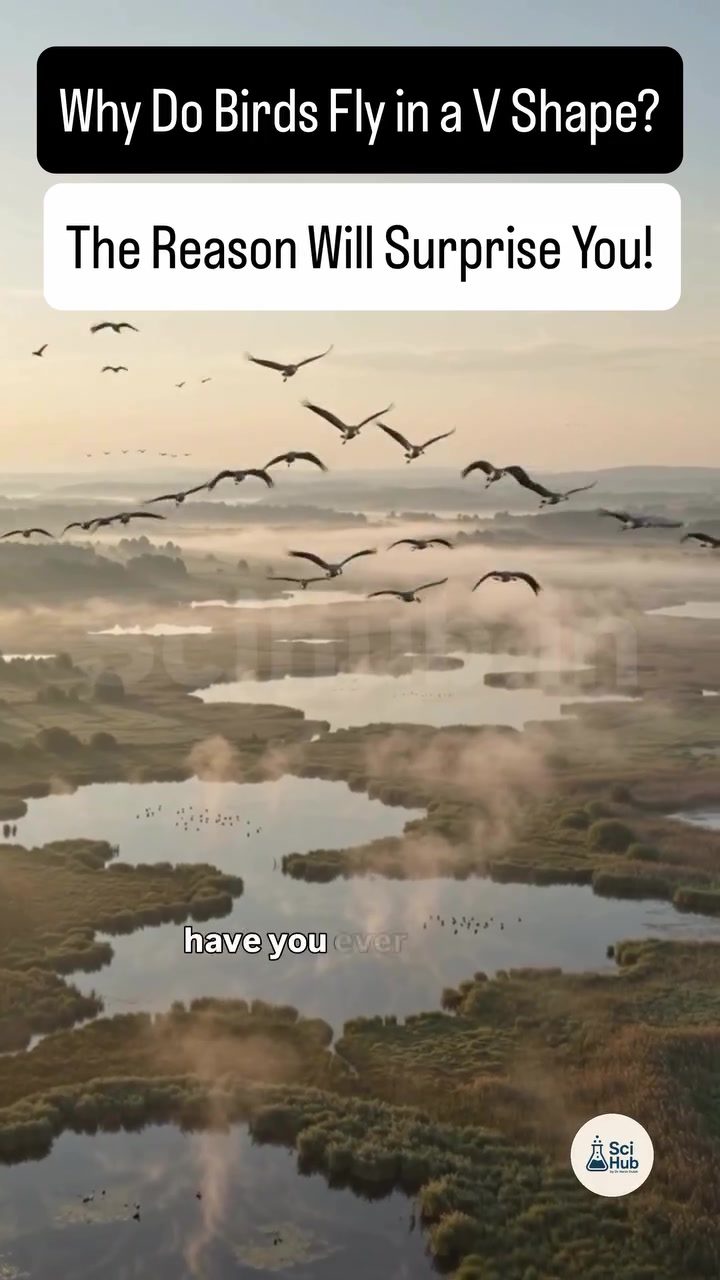
Birds Flying in a V Formation
Birds flying in a V formation is a common sight, especially during migration. This elegant and efficient flying pattern is not just aesthetically pleasing, but it is also a highly effective way for birds to conserve energy during long journeys. The V formation allows birds to travel great distances with minimal exertion, a strategy that has been perfected by nature long before humans began studying flight.
Why This Matters
Understanding why birds fly in a V formation provides insights into natural engineering and efficiency. This formation is a result of millions of years of evolution, honed to optimize energy use during long migrations. By studying this phenomenon, we can gain valuable insights into aerodynamics, energy conservation, and the natural world.
The Science Behind the V Formation
The Role of the Lead Bird
The bird at the front of the V formation does the most work. Each flap of its wings pushes air backward, creating a small upward lift. This lift helps the birds flying behind by reducing the amount of energy they need to flap their wings. The lead bird essentially creates a smooth path for the rest of the flock, allowing them to conserve energy and fly more efficiently.
The Bénard–von Kármán vortex trail
The birds flying behind the leader benefit from the updraft created by the leader's wingbeats. This is known as the Bénard–von Kármán vortex trail, a phenomenon where swirling vortices of air are created behind an object moving through a fluid, such as air. By positioning themselves in these vortices, the following birds can use the lift to reduce the effort required to stay aloft. This energy-saving strategy is crucial for migratory birds that travel thousands of kilometers.
Switching Positions
In a V formation, the lead bird gets tired first because it bears the brunt of the wind resistance. To distribute the workload evenly, the birds in the formation regularly switch positions. This way, no single bird is constantly at the front, and the entire flock can travel more efficiently. This cooperative behavior ensures that the flock can maintain its energy levels and reach their destination safely.
Practical Tips
While humans cannot fly like birds, understanding this formation can inspire us to adopt similar strategies in our own lives. Here are a few practical tips inspired by the V formation:
Cooperative Effort
Just as birds work together to conserve energy, humans can benefit from cooperative efforts. Whether it's in a team project at work or a group activity, working together can help distribute the workload and achieve better results.
Efficient Use of Resources
The V formation highlights the importance of efficient resource use. By optimizing energy levels, birds can travel farther and faster. Similarly, humans can adopt energy-saving practices in their daily lives, such as using energy-efficient appliances and reducing waste.
Adaptability
Birds adapt their formation to changing conditions, ensuring that they can travel efficiently even in adverse weather. Humans can learn from this adaptability, being flexible and responsive to changes in their environment.
Important Takeaways
Natural Efficiency
Birds flying in a V formation is a testament to nature's ingenuity. This formation is a natural, efficient solution that has been refined over millions of years. By understanding and emulating this strategy, we can learn more about efficiency and conservation.
Cooperation and Adaptability
The V formation is not just about energy conservation; it's also about cooperation and adaptability. Birds work together, switching positions to ensure that no single bird is overworked. This cooperative behavior and adaptability are crucial for the flock's success.
Inspiration for Human Innovation
The principles behind the V formation can inspire human innovation in various fields, from aerodynamics to resource management. By studying and adapting these natural strategies, we can develop more efficient and effective solutions to our own challenges.
Conclusion
Birds flying in a V formation is a remarkable example of nature's efficiency and cooperation. This formation allows birds to travel great distances with minimal energy expenditure, making it one of the most efficient flying strategies in the animal kingdom. By understanding and emulating these natural principles, we can inspire human innovation and adopt more efficient practices in our own lives.
Watch the Reel
Questions readers ask
How does the V formation help birds conserve energy during flight?
The V formation helps birds conserve energy by reducing the amount of effort required to fly. The lead bird pushes through resistance, and birds following gain from air vortices, reducing the need for constant wing flapping. This can result in a significant decrease in energy expenditure, especially during lengthy journeys.
Why do birds fly in a V shape rather than a straight line or other patterns?
Birds fly in a V shape because this formation optimizes energy use during long-distance flights. The V shape allows each bird, except the leader, to take advantage of the uplift created by the bird in front. This aerodynamic advantage reduces the overall energy expenditure for the group, making it an ideal pattern for migratory journeys.
How do birds coordinate their movements while flying in a V formation?
Birds coordinate their movements through visual and vocal cues. They use visual cues to maintain the correct position within the formation and adjust their flight path. Vocalizations can also help in maintaining synchronization, especially in situations where visual cues might be limited, such as in foggy or low-visibility conditions.
What role does the lead bird play in a V formation and what happens when it gets tired?
The lead bird in a V formation plays a crucial role as it breaks through the air resistance, creating a path for the following birds. When the lead bird gets tired, it typically falls back and another bird takes its place at the front. This rotation helps distribute the energy expenditure evenly among the birds in the group.
Can birds in a V formation communicate while flying?
Yes, birds in a V formation can communicate while flying. They use a combination of vocal calls and visual signals to coordinate their movements and maintain the formation. For example, if the leader needs to change direction, it can signal this to the other birds, and they adjust their positions almost instantaneously, maintaining the efficiency of the V formation.
Related deep dives
Similar reads based on topic and creator.




Recent articles
Fresh deep dives from the latest Reels we unpacked.




Comments
Be the first to comment.