Choosing Quality Foods: A Guide to Better Grocery Shopping
When it comes to grocery shopping, many people prioritize calories, protein, and macros. However, the quality of the foods you buy is equally important. Not all protein powders, yogurts, eggs, canned tuna, salmon, dairy products, or sauces are made with the same ingredients and standards. This guide will help you navigate the grocery aisles by breaking down common staples into simple categories: Best, Better, and Bad. We'll also discuss practical tips for making healthier choices and highlight some key takeaways to remember.
Why Food Quality Matters
The quality of the foods you consume can have a significant impact on your health and well-being. High-quality ingredients, stronger sourcing standards, and minimal processing can provide better nutritional profiles and fewer unnecessary additives. By focusing on these aspects, you can make a meaningful difference in your overall health over time.
Impact of Food Quality on Health
High-quality foods generally contain more essential nutrients and fewer harmful additives. For instance, grass-fed and organic milk are considered better options because they are less processed and contain more beneficial nutrients. In contrast, ultra-pasteurized milk is often categorized as a bad option due to the loss of nutrients during processing.
Breaking Down Common Grocery Staples
Let's dive into some common grocery items and categorize them based on their quality, sourcing practices, and transparency.
Salmon
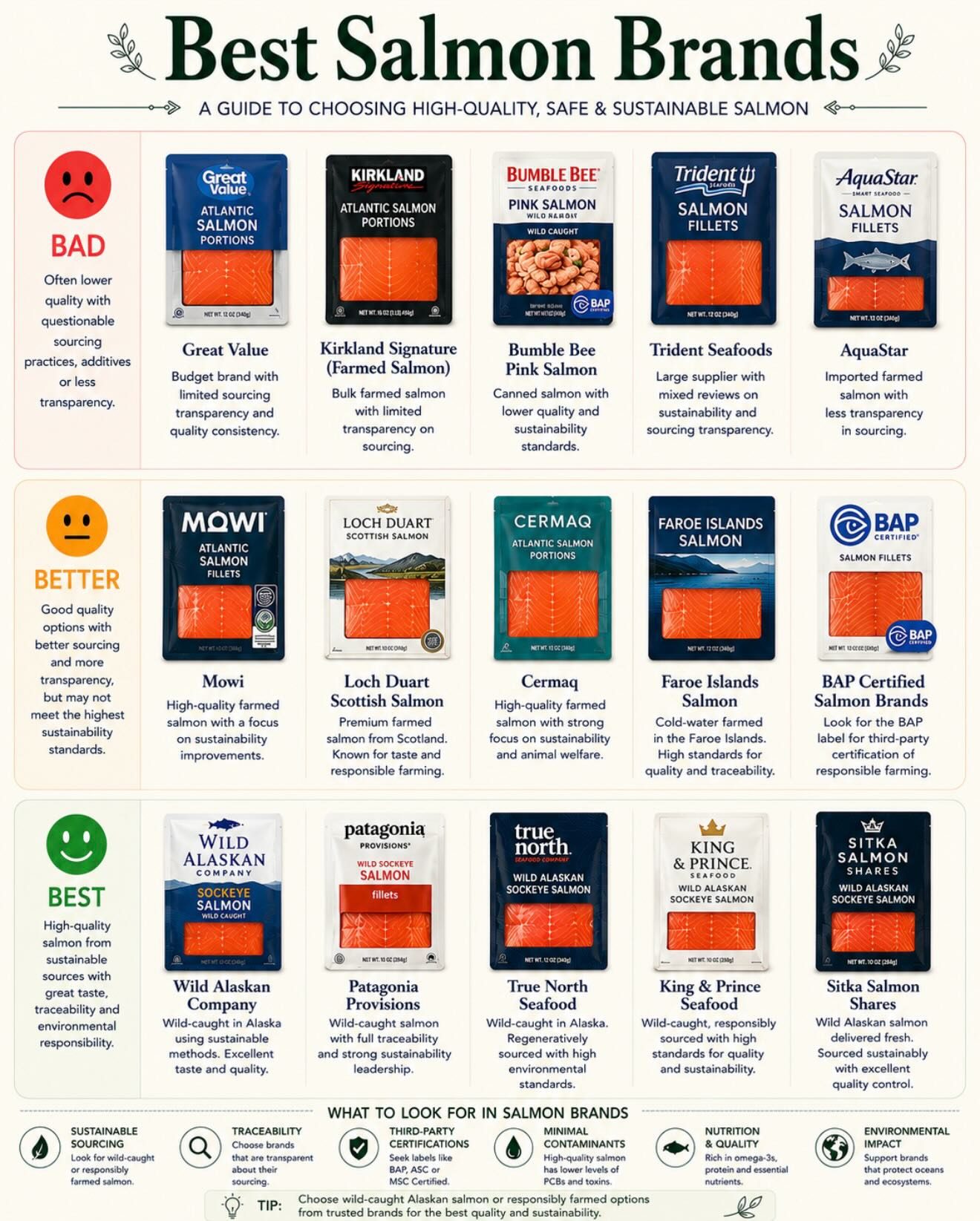
Salmon is a popular choice for its high protein content and healthy fats. However, not all salmon brands are created equal. Here are some options to consider:
-
Bad: Some salmon brands are known for using lower-quality ingredients and having less transparency around their sourcing practices. These brands often prioritize cost over quality, leading to products that may contain added sugars, artificial ingredients, and lower-quality oils.
-
Better: Brands like Bumble Bee and Trident offer solid options that fit most budgets and lifestyles while still providing good quality. These brands typically have better sourcing practices and are more transparent about their ingredients.
-
Best: Brands like AquaStar and BAP Certified are highlighted as the best options. These brands prioritize higher-quality ingredients, stronger sourcing standards, and fewer unnecessary additives. They also provide better nutritional profiles and more transparency around their production methods.
Faroe Islands and Wild Alaskan salmon are often praised for their quality and sustainability. Brands like King & Prince and Sitka Salmon Shares are also known for their high standards.
BCAA Supplements
Branched-Chain Amino Acids (BCAAs) are popular among fitness enthusiasts for their role in muscle recovery and growth. However, not all BCAA supplements are created equal. Here are some options to consider:
-
Bad: These supplements often contain artificial ingredients, added sugars, and lower-quality oils. They may also lack transparency around their sourcing practices, making it difficult to determine their quality.
-
Better: Supplements like Pro Performance and HealthKart offer good quality at a reasonable price. They typically contain clean ingredients and transparent labels, making them a solid choice for most consumers.
-
Best: Brands like BCA Nutrition and BCA Energy are highlighted as the best options. These supplements prioritize a good BCAA ratio (2:1:1) for optimal recovery and muscle support. They also contain clean ingredients and transparent labels, providing consumers with a high-quality product.
Transparent Labs, Kaged, and Nutricost are also known for their quality and transparency. When choosing BCAA supplements, look for products that emphasize a good BCAA ratio and clean ingredients.
Dairy Milk
Dairy milk is a staple in many households, but not all milk brands are created equal. Here are some options to consider:
-
Bad: Ultra-pasteurized milk is often categorized as a bad option due to the loss of nutrients during processing. These brands may also contain added sugars, artificial ingredients, and lower-quality oils, making them less desirable for health-conscious consumers.
-
Better: Brands like Kirkland Signature and a2 Milk offer good quality at a reasonable price. These brands typically prioritize better sourcing practices and are more transparent about their ingredients, making them a solid choice for most consumers.
-
Best: Brands like Organic Valley and Stonyfield Organic are highlighted as the best options. These brands prioritize grass-fed and organic milk, providing consumers with a higher-quality product that is less processed and contains more beneficial nutrients.
Meyenberg Goat Milk and Valley View Grassfed are also known for their high standards and quality.
Practical Tips for Better Grocery Shopping
When shopping for groceries, keep these practical tips in mind to make healthier choices:
-
Prioritize whole, minimally processed foods whenever possible. These foods are generally more nutritious and contain fewer additives.
-
Look for shorter ingredient lists. The fewer ingredients a product has, the less processed it is likely to be. This can help you avoid added sugars, artificial ingredients, and lower-quality oils.
-
Choose products with more protein and less added sugar. Protein is essential for building and repairing tissues, while added sugars can contribute to various health issues.
-
Favor brands that are transparent about sourcing and production. Transparency is key when it comes to determining the quality of a product. Look for brands that provide detailed information about their sourcing practices and production methods.
-
Remember that consistency matters more than perfection. You don't need a perfect grocery cart to make progress. Small improvements made consistently can have a bigger impact than extreme diets that only last a few weeks.
Important Takeaways
-
Focus on quality: Not all foods are created equal, and the quality of the ingredients matters. Prioritize whole, minimally processed foods and choose brands that prioritize quality and transparency.
-
Read labels: Pay attention to ingredient lists and nutritional information. Look for products with clean ingredients, minimal processing, and higher nutritional profiles.
-
Consistency is key: Small, consistent improvements can have a significant impact on your health over time. Don't strive for perfection; instead, focus on making gradual changes that you can stick with.
Conclusion
Choosing better quality foods can have a significant impact on your overall health and well-being. By prioritizing whole, minimally processed foods and opting for brands that prioritize quality and transparency, you can make a meaningful difference in your diet. Be sure to read labels, look for shorter ingredient lists, and choose products with more protein and less added sugar.
Watch the Reel
Questions readers ask
How can I identify the best grocery items for my health?
Look for items with minimal ingredients, recognizable components, and clear sourcing information. Prioritize products with certifications like organic, non-GMO, or grass-fed, as these often indicate higher quality and better sourcing practices. Compare nutrition labels to ensure you're getting the most out of your groceries.
What makes a protein powder 'best' or 'worst' in terms of quality?
The best protein powders use high-quality, whole-food sources such as grass-fed whey, organic plant proteins, or sustainably sourced collagen. They should have minimal added sugars and artificial ingredients. Avoid powders with excessive additives, artificial sweeteners, or low-quality protein sources, which are generally considered worst in terms of quality.
How do I choose the best dairy products in the grocery store?
Opt for dairy products that are organic, grass-fed, or from local farms with strong animal welfare practices. These products often have higher nutritional content and better fat profiles. Check the ingredient list for minimal processing and no added hormones or antibiotics.
What should I look for when buying canned tuna or salmon?
Choose canned tuna or salmon that is sustainably sourced and has minimal processing. Look for options with BPA-free cans to avoid harmful chemicals. Opting for wild-caught fish often ensures better quality and minimal environmental impact.
Are there any apps that can help me find high-quality grocery items?
Yes, there are several apps designed to help you find high-quality grocery items. These apps often provide rankings based on ingredient standards, sourcing practices, and nutritional content. Some popular options include Yummly, Instacart, and the Seafood Watch app, which can guide you to better salmon options and sustainably sourced seafood.
What are some of the best BCAA brands available?
The best BCAA brands use minimal processing, high-quality ingredients, and clear sourcing information. Look for brands that offer third-party testing for purity and potency. Some top brands known for their quality include Transparent Labs, Scivation, and Optimum Nutrition.
What are the best high-quality dairy alternatives?
The best high-quality dairy alternatives prioritize natural, minimally processed ingredients. Look for plant-based milks made from whole foods like almonds, oats, or coconuts, and avoid those with excessive additivesto maintain quality and ensure a healthier choice.
Recent articles
Fresh deep dives from the latest Reels we unpacked.




Comments
Be the first to comment.