Here are 14 stunning natural wonders and the best time to experience them
With their vast landscapes and unique ecosystems, these destinations showcase nature at its finest. From the ethereal glows of the Aurora Borealis in Norway to the vast swarms of monarch butterflies in Mexico, these spots offer unforgettable encounters with the wild. With the right timing, these experiences can be even more breathtaking. This guide covers the best times to visit each location, ensuring you get the most out of these extraordinary destinations.
Why timing matters
Nature's beauty is often fleeting. Seasonal changes, migration patterns, and weather conditions can significantly impact what you see and experience. Knowing the best time to visit can make the difference between a good trip and a great one. Timing is especially crucial for witnessing specific natural phenomena, such as the Northern Lights or whale shark migrations.
Northern Lights in Norway
The Northern Lights, or Aurora Borealis, are a mesmerizing display of Lights dancing across the night sky. Norway, with its clear, dark nights and northern latitude, is an ideal place to witness this spectacle. The best time to see the Northern Lights in Norway is from September to March. During these months, the nights are longer and darker, providing the perfect conditions for aurora viewing. The auroras are most visible in the northern parts of the country, such as Tromsø and Svalbard.
Spot orangutans in Borneo
Borneo, the third-largest island in the world, is home to a significant population of orangutans. The best time to spot these fascinating creatures is during the dry season, from March to October. During this period, the weather is more predictable, and trekking conditions are optimal. The dry season also means that the forests are less dense, making it easier to spot orangutans swinging through the canopy. Borneo's rainforests offer a unique opportunity to observe these intelligent and elusive primates in their natural habitat.
Swim with whale sharks in Tonga
Tonga, a Polynesian kingdom in the South Pacific, is renowned for its crystal-clear waters and vibrant marine life. From May to October, whale sharks migrate to the waters around Tonga, attracted by the abundance of plankton. This period offers a unique opportunity to swim alongside these gentle giants. The best time to experience this adventure is during the peak whale shark season, from June to July. During this time, the waters are calmer, and visibility is excellent, making it easier to encounter these magnificent creatures.
Watch wild kangaroos in Australia
Australia's vast landscapes are home to a diverse range of wildlife, including the iconic kangaroo. The best time to watch wild kangaroos in Australia is from September to November. During these months, the weather is mild, and the wildlife is more active. Kangaroos are often seen grazing in open fields and forests, providing excellent opportunities for wildlife viewing. The coastal areas, in particular, offer stunning landscapes combined with wildlife encounters.
Hike to the Blue Falls of Costa Rica
Costa Rica is a nature lover's paradise, with lush rainforests, towering volcanoes, and stunning waterfalls. The Blue Falls, located in the Arenal Volcano National Park, are a hidden gem. The best time to hike to the Blue Falls is during the dry season, from November to April. During this period, the trails are safer and drier, and the waterfalls are sparkling and vibrant. The hike offers a mix of lush greenery, scenic views, and the rewarding sight of the beautiful Blue Falls.
Glowworm Caves in New Zealand
New Zealand's Waitomo Glowworm Caves offer a magical experience unlike any other. The caves are home to thousands of glowworms that create a mesmerizing display of bioluminescent lights. The best time to visit the Glowworm Caves is from November to March. During these months, the summer weather makes the caves more accessible and comfortable to explore, and the glowworm displays are vibrant and spectacular.
See polar bears in the Arctic
The Arctic is home to one of the most iconic predators: the polar bear. The best time to see polar bears in the Arctic is from April to July. During this period, the sea ice begins to break up, providing polar bears with easier access to seals and other prey. The longer daylight hours also make it easier to spot these magnificent creatures in their natural habitat. The vast, icy landscapes of the Arctic provide a breathtaking backdrop for wildlife viewing.
See monarch butterflies in Mexico
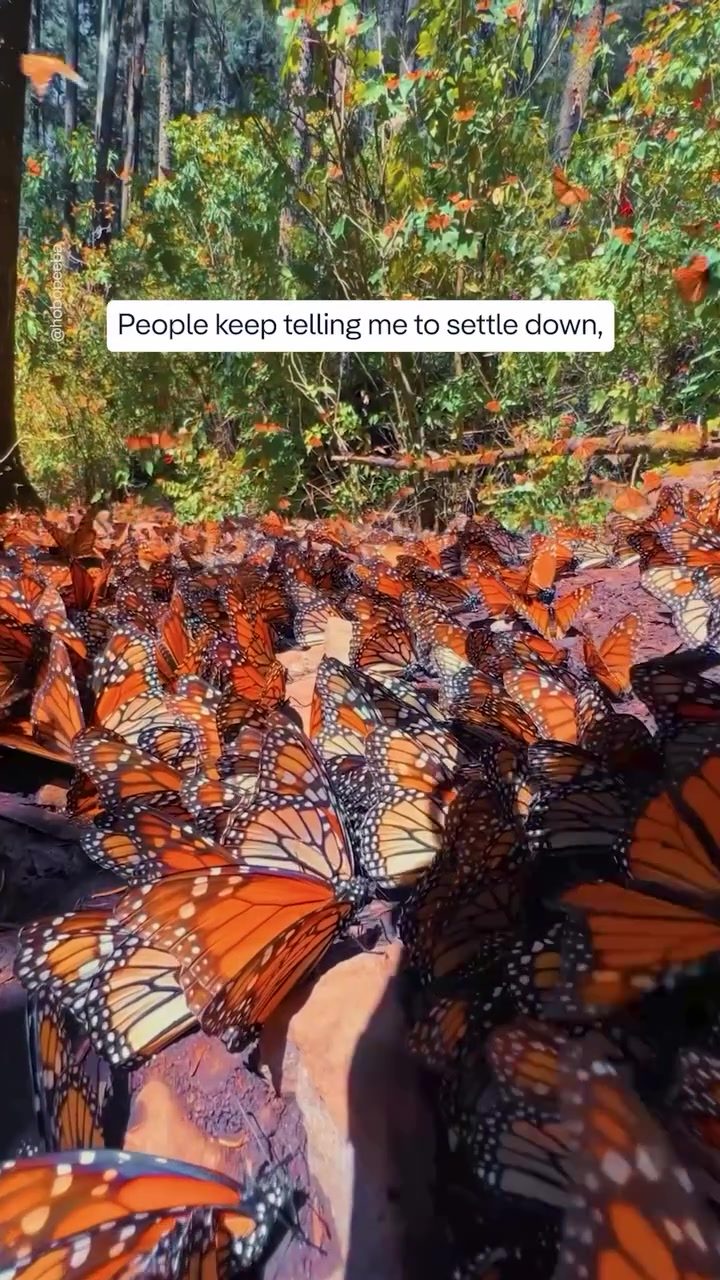
Mexico is a crucial destination for monarch butterflies, which migrate thousands of miles each year to overwinter in the country's forests. The best time to see the monarch butterflies in Mexico is from November to February. During these months, the butterflies cluster in large numbers, creating a stunning natural spectacle. The monarch butterflies gather in specific sites, such as the Monarch Butterfly Biosphere Reserve, where visitors can witness this incredible phenomenon.
Visit Salar de Uyuni in Bolivia
Salar de Uyuni, the world's largest salt flat, is a surreal and otherworldly landscape in Bolivia. The best time to visit Salar de Uyuni is during the dry season, from May to November. During this period, the salt flats are completely dry and covered in a thin layer of salt crystals, creating a stunning mirror-like effect. The dry season also offers clear skies and sunny weather, making it ideal for photography and exploring the vast, white expanse.
Explore Croatia’s Plitvice Lakes
Croatia's Plitvice Lakes National Park is a UNESCO World Heritage site known for its cascading waterfalls, turquoise lakes, and lush greenery. The best time to explore Plitvice Lakes is from April to September. During these months, the park is in full bloom, with vibrant flowers and clear turquoise waters. The wooden walkways and trails provide easy access to the park's stunning landscapes, making it a perfect destination for nature enthusiasts.
Watch grizzly bears fishing in Alaska
Alaska is home to a diverse range of wildlife, including the powerful grizzly bear. The best time to watch grizzly bears fishing in Alaska is from July to September. During these months, the salmon runs attract grizzly bears to the rivers and streams, providing an opportunity to witness these majestic creatures in action. The best places to see grizzly bears fishing include Katmai National Park and Lake Clark National Park, where the bears can be observed from a safe distance.
Relax on quiet beaches in Puerto Rico
Puerto Rico is a Caribbean paradise with beautiful beaches, vibrant culture, and lush landscapes. The best time to relax on quiet beaches in Puerto Rico is from December to April, a time when the weather is sunny and breezy and the tourist crowds are at their lowest. During this period, visitors can enjoy the pristine beaches and clear waters in peace, making it an ideal destination for a tranquil beach vacation.
Explore the countryside of Japan
Japan is known for its rich cultural heritage and stunning natural beauty. The best time to explore the countryside of Japan is during spring or autumn. During spring, the cherry blossoms create a breathtaking display of pink and white flowers, while in autumn, the fiery foliage transforms the landscapes into a vibrant tapestry of red, orange, and gold. Each season offers unique opportunities to witness Japan's natural wonders, from the serene bamboo forests of Arashiyama to the iconic mountains of Hakone.
Visit the Son Doong Cave in Vietnam
Son Doong Cave in Vietnam is one of the largest caves in the world, with vast chambers, underground rivers, and stunning rock formations. The best time to visit Son Doong Cave is from February to August, during the dry season. During these months, the weather is drier and more stable, making it safer to explore the cave's vast interior. The dry season also offers clear skies and pleasant temperatures, ideal for outdoor adventures and cave exploration.
Practical tips
Each of these destinations offers unique experiences and challenges. Here are some practical tips to help you make the most of your adventures:
- Research and plan: Understanding the best times to visit and the specific conditions you'll encounter will help you prepare for your trip.
- Pack appropriately: Depending on the destination and time of year, you may need specialized gear, such as waterproof clothing for rainforests or warm layers for colder climates.
- Book in advance: Popular destinations can fill up quickly, especially during peak seasons. Make sure to book your accommodations and transportation well in advance.
- Respect wildlife and nature: Follow guidelines for responsible tourism, such as staying on designated paths and maintaining a safe distance from wildlife.
Important takeaways
Nature's beauty is both fragile and resilient. These destinations offer unique opportunities to witness some of the world's most stunning natural phenomena. By choosing the right time to visit, you can enhance your experience and contribute to the preservation of these incredible places. Whether you're marveling at the Northern Lights in Norway, swimming with whale sharks in Tonga, or exploring the Son Doong Cave in Vietnam, each adventure is a reminder of the wonders that nature has to offer.
Conclusion
Natural wonders around the world offer breathtaking experiences that are best enjoyed at specific times of the year. By understanding the optimal seasons for each destination, you can ensure a memorable and enriching journey. From the vibrant glow of the Northern Lights in Norway to the serene beauty of the Glowworm Caves in New Zealand, these adventures are sure to leave you with unforgettable memories. Plan your trip wisely, and let the wild wonders of the world captivate your senses.
Watch the Reel
Questions readers ask
When is the optimal time to witness the Northern Lights in Norway?
The best time to see the Northern Lights, or Aurora Borealis, in Norway is from September to late March. During these months, the nights are longer and darker, providing the ideal conditions for viewing this natural phenomenon. Remember, clear skies are also crucial, so it's essential to check the weather forecast before your trip.
What is the best time to visit Plitvice Lakes National Park in Croatia?
The best times to visit Plitvice Lakes National Park are during the spring (April to May) and fall (September to October) seasons. During these periods, the park is less crowded, and the weather is pleasant. Additionally, the autumn foliage adds a stunning touch to the landscape, making it a great time for nature photography.
When can I see the monarch butterflies in Mexico?
Monarch butterflies gather in Mexico from November to March. The best time to visit is from mid-December to late February, when the butterflies are most concentrated. Be sure to visit the Monarch Butterfly Biosphere Reserve in Michoacán, the most popular destination for viewing these vibrant creatures.
What is the best time to explore Son Doong Cave in Vietnam?
Son Doong Cave can be explored year-round, but the best time to visit is during the dry season, from February to August. During these months, the weather is more predictable, and the cave's rivers are lower, making the trek easier. Additionally, the dry season provides better conditions for viewing the cave's unique rock formations and wildlife.
When is the best time to see wildlife in Australia?
The best time to see wildlife in Australia is during the dry season, from April to September. During these months, animals are more active, and the weather is mild, making it ideal for wildlife viewing. Additionally, the dry season is the best time to see kangaroos, as they are more visible and easier to spot.
What is the best time to visit for nature's seasonal wonders in general?
Nature's seasonal wonders, such as wildflowers, fall foliage, and migrations, can be seen at specific times of the year. Generally, spring (March to May) and fall (September to November) offer the most vibrant displays of nature's beauty. Research the specific destinations you plan to visit to ensure you don't miss out on these breathtaking experiences.
Related deep dives
Similar reads based on topic and creator.



Recent articles
Fresh deep dives from the latest Reels we unpacked.




Comments
Be the first to comment.