PCOS Nutrition: The Importance of Quality Food Choices
Living with PCOS (Polycystic Ovary Syndrome) means that what you eat plays a critical role in managing your symptoms and overall well-being. The right nutrition can help stabilize blood sugar, support metabolism, reduce inflammation, and keep cravings and bloating at bay. This directly impacts hormones, inflammation, insulin sensitivity, energy levels, skin, mood, and even how your body responds to training. Here’s a guide to the best foods for PCOS, focusing on quality proteins, slow carbs, healthy fats, and nutrient-dense vegetables and fruits.
Why Nutrition Matters for PCOS
Nutrition is a cornerstone of managing PCOS. The right food choices can significantly impact various aspects of your health, from hormone regulation to energy levels. PCOS is characterized by hormonal imbalances, insulin resistance, and inflammation, all of which can be influenced by diet. By choosing foods that stabilize blood sugar, support metabolism, and reduce inflammation, you can better manage these symptoms and improve your overall quality of life.
Protein: The Building Block
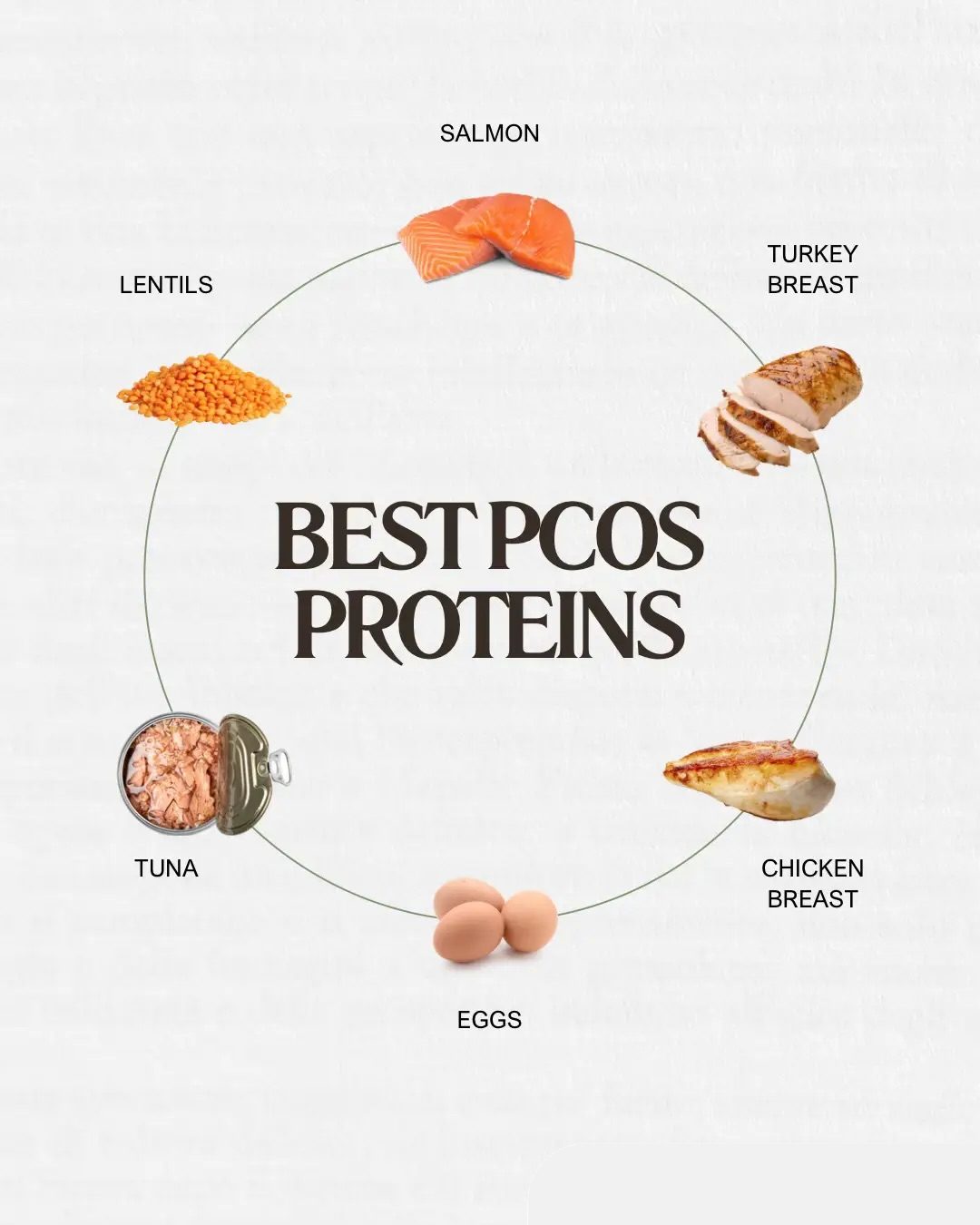
Proteins are essential for muscle maintenance, metabolism, and hunger control. For those with PCOS, including high-quality protein sources in your diet can help stabilize blood sugar levels and promote satiety, reducing the likelihood of overeating. Some of the best protein sources for PCOS include:
- Salmon: Rich in omega-3 fatty acids, which help reduce inflammation and support heart health.
- Turkey Breast: A lean protein option that is low in fat and high in protein.
- Lentils: A plant-based protein that is also rich in fiber, which aids in digestion and helps control blood sugar levels.
- Tuna: A convenient and versatile protein source that is high in protein and low in calories.
- Eggs: Versatile and packed with essential nutrients, eggs are a great source of complete protein.
- Chicken Breast: A popular choice for its lean protein content and versatility in meals.
Vegetables: Nutrient Powerhouses
Vegetables are packed with nutrients and fiber, which support gut health and hormone regulation. Including a variety of vegetables in your diet can help manage inflammation and promote overall health. Some of the best vegetables for PCOS include:
- Broccoli: A cruciferous vegetable rich in antioxidants and fiber, which supports digestion and inflammation control.
- Asparagus: Nutritious and versatile, asparagus is high in fiber and low in calories.
- Spinach/Leafy Greens: Packed with nutrients like iron, calcium, and vitamin K, leafy greens are essential for maintaining overall health.
- Cucumber: Hydrating and low in calories, cucumbers are a great addition to salads and snacks.
- Carrots: Rich in beta-carotene, which supports eye health and provides antioxidants.
- Bell Peppers: Colorful and flavorful, bell peppers are high in vitamin C and antioxidants.
Healthy Carbohydrates: Steady Energy
Carbohydrates are an essential part of a balanced diet, but for those with PCOS, choosing the right types of carbs is crucial. Opt for slow-digesting, complex carbohydrates that provide steady energy and help stabilize blood sugar levels. Some of the best carbohydrate sources for PCOS include:
- Sweet Potato: A complex carbohydrate that is rich in fiber and nutrients like vitamin A.
- Chickpeas: A legume that is high in protein and fiber, making it a great choice for stable energy.
- Rolled Oats: A whole grain that is rich in fiber and can help control blood sugar levels.
- Quinoa: A complete protein that is also a good source of fiber and various nutrients.
- Beetroot: A root vegetable that is high in fiber and antioxidants, supporting overall health.
- Brown Rice: A whole grain that is high in fiber and provides steady energy.
Healthy Fats: Hormone Production
Healthy fats are essential for hormone production and satiety. Including the right types of fats in your diet can help manage hormone imbalances and promote overall health. Some of the best fat sources for PCOS include:
- Avocados: Rich in monounsaturated fats, avocados support heart health and satiety.
- Nuts and Seeds: High in healthy fats, nuts, and seeds provide essential nutrients and promote satiety.
- Olive Oil: A healthy fat that supports heart health and can be used in cooking and dressings.
- Coconut: Rich in medium-chain triglycerides, coconut fat can provide quick energy and support metabolism.
- Nut Butter: A convenient and delicious way to include healthy fats in your diet, nut butter is also a good source of protein.
Practical Tips for Including These Foods in Your Diet
Incorporating these nutrient-dense foods into your daily meals can be both delicious and satisfying. Here are some practical tips to help you get started:
- Plan Your Meals: Plan your meals for the week, ensuring you have a variety of proteins, vegetables, healthy fats, and complex carbohydrates. This will help you stay on track and avoid making unhealthy food choices.
- Prep in Advance: Prepare meals in advance to save time during the week. Chop vegetables, cook proteins, and portion out snacks to make it easier to stick to your plan.
- Try New Recipes: Experiment with new recipes that incorporate these foods. This can keep your meals interesting and help you discover new favorites.
- Balance Your Plate: Aim for a balanced plate with a mix of protein, vegetables, and healthy fats. This will ensure you get a variety of nutrients and stay satisfied throughout the day.
Important Takeaways
Managing PCOS through nutrition is about making mindful choices that support your body's needs. By focusing on quality proteins, slow-digesting carbohydrates, healthy fats, and nutrient-dense vegetables and fruits, you can stabilize blood sugar, support metabolism, reduce inflammation, and keep cravings and bloating at bay. The key is to choose foods that work with your body, rather than against it, and to make sustainable changes that you can stick to in the long term.
Conclusion
Nutrition plays a crucial role in managing PCOS and improving overall health. By focusing on the right foods and making mindful choices, you can support your body's needs and achieve long-lasting results. Whether you're just starting your PCOS journey or looking to refine your nutrition plan, these guidelines can help you make the best choices for your health.
Watch the Reel
Questions readers ask
What are the best protein sources for a PCOS-friendly diet?
Quality proteins are essential for a PCOS-friendly diet. Opt for lean meats, poultry, fish, eggs, tofu, and legumes. These foods help stabilize blood sugar, support muscle maintenance, and keep you feeling full and satisfied.
How can slow carbs benefit individuals with PCOS?
Slow carbs, such as whole grains, sweet potatoes, and brown rice, are digested more slowly, helping to maintain steady blood sugar levels. This is crucial for managing PCOS symptoms, as it reduces insulin spikes and supports better metabolism.
Which foods can help reduce inflammation in PCOS patients?
Incorporating nutrient-dense vegetables and fruits, such as leafy greens, berries, and colorful produce, can help reduce inflammation. These foods are rich in antioxidants and fiber, which support overall health and help alleviate symptoms associated with PCOS.
What are some low-carb food options suitable for a PCOS diet plan?
Low-carb options like leafy greens, broccoli, cauliflower, zucchini, and avocados are great for managing PCOS. These foods are low in carbohydrates and high in fiber, which helps stabilize blood sugar and support overall well-being.
How does a PCOS-friendly diet support metabolism?
A PCOS-friendly diet focuses on nutrient-dense foods that support metabolic health. Quality proteins, slow carbs, and healthy fats help in maintaining steady blood sugar levels, reducing insulin resistance, and promoting efficient metabolism.
What role do healthy fats play in managing PCOS symptoms?
Including healthy fats from sources like avocados, nuts, seeds, and olive oil in your PCOS diet can help reduce inflammation, support hormone balance, and stabilize blood sugar. These fats are essential for overall well-being and managing PCOS symptoms effectively.
How can meal planning help in managing PCOS symptoms?
Meal planning ensures you consistently consume the right balance of quality proteins, slow carbs, and nutrient-dense vegetables. This helps in maintaining stable blood sugar levels, reducing inflammation, and improving overall well-being, making it an effective strategy for managing PCOS.
Recent articles
Fresh deep dives from the latest Reels we unpacked.




Comments
Be the first to comment.