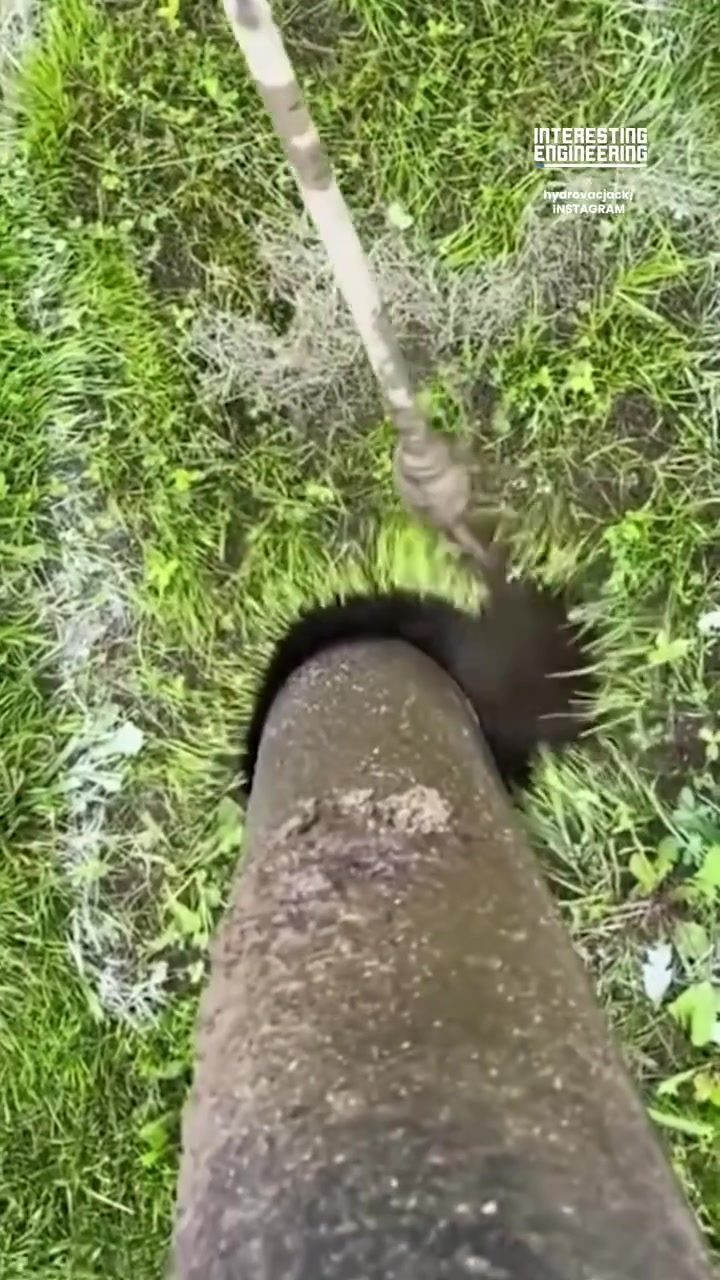
Hydrovac Excavation
Hydrovac excavation is a sophisticated method of digging that combines high-pressure water and a powerful vacuum system. This technique is highly effective for exposing buried utilities such as pipes and conduits without causing any damage to them. It's particularly useful in crowded or sensitive underground areas where precision is crucial.
Why This Matters
In urban and industrial settings, the need to excavate around existing infrastructure is common. Traditional digging methods often result in damage to underground utilities, leading to costly repairs and disruptions. Hydrovac excavation offers a non-destructive alternative, making it an essential tool for modern construction and maintenance projects.
Main Discussion
How Hydrovac Excavation Works
Hydrovac excavation leverages the power of high-pressure water to break up soil and a powerful vacuum to remove the debris. This dual-action process allows for precise digging, ensuring that only the targeted soil is removed and surrounding areas remain undisturbed. The high-pressure water jet effectively loosens the soil, while the vacuum system sucks up the debris, leaving the site clean and ready for inspection or repair.
Applications in Different Environments
This method is ideal for various environments, including:
- Urban Areas: Where underground utilities are densely packed, hydrovac excavation minimizes the risk of damage to existing infrastructure.
- Environmentally Sensitive Sites: The non-destructive nature of hydrovac excavation makes it suitable for areas with delicate ecosystems, as it does not disrupt the soil structure or harm nearby vegetation.
- Industrial Sites: For repairing or inspecting buried pipes and conduits, hydrovac excavation provides a safe and efficient way to access the utilities without causing further damage.
Equipment and Technology
The primary equipment used in hydrovac excavation is a hydrovac truck. These trucks are equipped with high-pressure water pumps and powerful vacuum systems. The hose used to direct the water and vacuum can be maneuvered with precision, allowing operators to target specific areas for excavation. The process is carefully controlled to avoid damaging the surrounding utilities, making it a highly reliable method for precise digging.
Practical Tips
Choosing the Right Equipment
When selecting a hydrovac truck, consider the following factors:
- Water Pressure: Ensure the truck has enough water pressure to effectively break up the soil type in your area.
- Vacuum Power: A powerful vacuum system is crucial for removing debris efficiently.
- Maneuverability: Look for a truck with a flexible hose and easy-to-control mechanisms to navigate around underground utilities.
Safety Precautions
- Protective Gear: Operators should wear appropriate protective gear, including gloves, goggles, and ear protection.
- Training: Ensure that all operators are well-trained in using the hydrovac equipment to prevent accidents and ensure efficient operation.
- Site Assessment: Conduct a thorough assessment of the site to identify the location of underground utilities and plan the excavation accordingly.
Maintenance and Upkeep
Regular maintenance of the hydrovac truck is essential to keep it in good working condition. This includes:
- Inspecting Hoses and Pumps: Regularly check for any signs of wear or damage.
- Cleaning the Vacuum System: Ensure the vacuum system is clean and free of debris to maintain its efficiency.
- Water Quality: Use clean water to prevent clogging and ensure the longevity of the equipment.
Important Takeaways
Hydrovac excavation is a game-changer in the construction and maintenance industries, offering a safe and efficient way to dig around underground utilities. Its applications range from urban areas to environmentally sensitive sites, making it a versatile tool for various projects. By understanding the process, choosing the right equipment, and following safety precautions, you can leverage hydrovac excavation to its full potential.
Conclusion
Hydrovac excavation has revolutionized the way we approach digging in sensitive and crowded underground areas. By using high-pressure water and a powerful vacuum, this method ensures that buried utilities are exposed without causing any damage. Whether you're working in an urban environment, an industrial site, or an environmentally sensitive area, hydrovac excavation provides a reliable and efficient solution for your excavation needs. Embrace this innovative technique to enhance your projects and ensure the integrity of underground infrastructure.
Watch the Reel
Questions readers ask
What makes hydrovac excavation ideal for urban areas?
Hydrovac excavation is perfect for urban areas because it allows for precise digging around existing infrastructure. This minimizes the risk of damaging underground utilities, which is particularly important in crowded cities where services are intertwined.
How does hydrovac excavation compare to traditional digging methods?
Unlike traditional digging, hydrovac excavation uses high-pressure water and vacuum suction to break up and remove soil, rather than mechanical force. This makes it much safer for exposing buried utilities and less likely to cause damage.
Can hydrovac excavation help with maintaining underground utilities?
Absolutely. Hydrovac excavation is excellent for utility maintenance. Its non-destructive nature ensures that exposed utilities remain intact, reducing the need for repairs and minimizing disruptions to essential services.
What benefits does hydrovac excavation offer for soil removal in urban settings?
Hydrovac excavation is highly effective for soil removal in cities. It can quickly and safely remove soil without damaging nearby structures or utilities, making it a top choice for urban projects.
How does the vacuum process work in hydrovac excavation?
In hydrovac excavation, the vacuum process is crucial. After high-pressure water breaks up the soil, the vacuum system suctions the mixture of water and soil into a debris tank. This continuous cycle allows for efficient and clean excavation.
What safety tips should be considered when using hydrovac excavation in cities?
Safety is paramount when using hydrovac excavation in cities. Operators should always be aware of the underground utility maps to avoid damaging vital services. Additionally, using the correct pressure settings for different soil types can prevent accidents.
Related deep dives
Similar reads based on topic and creator.


Recent articles
Fresh deep dives from the latest Reels we unpacked.




Comments
Be the first to comment.