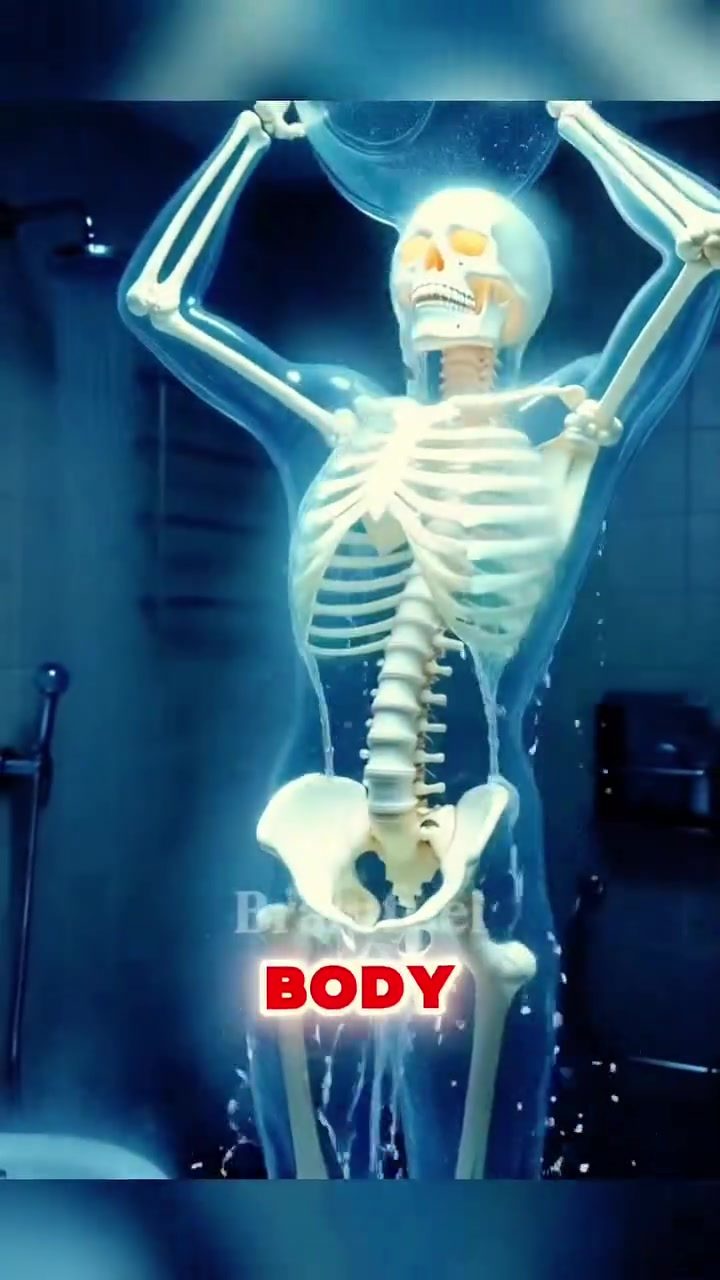
Cold Showers and Their Effects on the Body
Cold showers have gained attention for their potential benefits, but what really happens to the body when you take cold showers every day? This journey through the stages of cold shower effects reveals how the body adapts and benefits from regular cold water exposure.
Why This Matters
Cold showers are more than just a shock to the system. They trigger a series of physiological responses that can have significant effects on your body and mind. Understanding these responses can help you decide if incorporating cold showers into your routine might be beneficial for your overall health.
The Five Stages of Cold Showers
Stage 1: The Shock Response
When you first step into a cold shower, your body experiences an immediate stress response. Cold water hits the skin, causing blood vessels to constrict, breathing to quicken, and the nervous system to activate. This reaction is uncomfortable at first, but it's a normal survival response designed to protect the body from the sudden change in temperature.
Stage 2: Circulation and Alertness
As your body adapts to the cold, blood is pushed from the skin toward vital organs. When you warm up afterward, circulation improves as vessels reopen. This process can enhance alertness and reduce morning grogginess, making cold showers a useful tool for those seeking a quick energy boost.
Stage 3: Skin and Barrier Support
Unlike hot water, cold water does not strip natural oils from the skin. This helps preserve the skin's barrier, which protects against dryness and irritation. For those with sensitive or dry skin, regular cold showers can reduce itching and redness over time, promoting healthier skin.
Stage 4: Muscle Recovery and Inflammation
Cold exposure can reduce muscle soreness by limiting inflammation and swelling. This is why many athletes turn to cold showers after intense workouts. The temporary relief from muscle soreness can aid in short-term recovery, helping athletes bounce back faster.
Stage 5: Stress Adaptation
Regular exposure to cold water trains the body to handle mild stress more efficiently. This adaptation can improve stress tolerance and mood in some people. While cold showers are not a cure-all and are not ideal for everyone, especially those with heart conditions, they can support circulation, skin health, and mental alertness when done safely.
Practical Tips for Incorporating Cold Showers
Gradual Adaptation
If you're new to cold showers, start with a gradual approach. Begin by ending your regular shower with a short burst of cold water. Over time, you can increase the duration of cold water exposure as your body adapts.
Breathing Techniques
Controlled breathing can help manage the initial shock of cold water. Take deep, slow breaths as you step into the shower to help regulate your body's response.
Post-Shower Warming
Warm up gradually after a cold shower. Avoid hot water immediately afterward, as this can counteract the benefits of the cold exposure. Instead, use warm towels or a gentle heater to warm up your body.
Important Takeaways
Cold showers offer a range of benefits, from improved circulation and skin health to enhanced alertness and muscle recovery. However, they are not suitable for everyone, especially those with certain health conditions. It's essential to consult with a healthcare provider before making significant changes to your routine, especially if you have underlying health issues.
Conclusion
Incorporating cold showers into your daily routine can provide numerous health benefits, from improved circulation to enhanced muscle recovery. Understanding the stages of the body's response to cold water can help you make an informed decision about whether cold showers are right for you. Whether you're looking to boost your alertness, improve your skin health, or enhance your muscle recovery, cold showers offer a natural and effective way to support your overall well-being.
Watch the Reel
Questions readers ask
What are the immediate effects of taking a cold shower?
The first effect is a sharp intake of breath, followed by an increase in heart rate and blood pressure as your body responds to the sudden change in temperature. This initial shock can stimulate the release of endorphins, which can help to reduce stress and improve mood.
How do cold showers improve circulation?
Cold showers cause blood vessels to constrict initially, and then dilate as the body works to maintain its core temperature. This process, known as vasoconstriction and vasodilation, can help to improve overall circulation and promote healthier blood vessels.
Can cold showers help with muscle recovery?
Yes, the cold water can help to reduce inflammation and swelling in muscles, which can speed up recovery time after physical activity. Additionally, the improved circulation from cold showers can help to deliver more oxygen and nutrients to muscles, further aiding in recovery.
What are the benefits of cold showers for the skin?
Cold showers can help to tighten the skin's pores, which can make skin look and feel smoother. Additionally, cold water can help to strengthen the skin's natural barrier, making it more resilient against irritants and environmental stressors.
How do cold showers improve alertness?
The initial shock of cold water sends a surge of oxygen to the brain, which can help to increase alertness and mental clarity. Additionally, the invigorating sensation can help to wake up the body and mind, making you feel more energized and focused.
How long does it take for the body to adapt to cold showers?
The body can start to adapt to cold showers within a few weeks of regular use. Initially, the shock response may be intense, but over time, the body becomes more efficient at regulating its temperature, and the initial shock lessens.
How can I gradually incorporate cold showers into my daily routine?
Start by slowly decreasing the temperature of your shower over time. You can begin by ending your warm shower with 30 seconds of cold water, then gradually increase the duration. Aim to work up to a full cold shower, but always listen to your body and consult with a healthcare provider if you have any concerns.
Related deep dives
Similar reads based on topic and creator.

Recent articles
Fresh deep dives from the latest Reels we unpacked.



Comments
Be the first to comment.