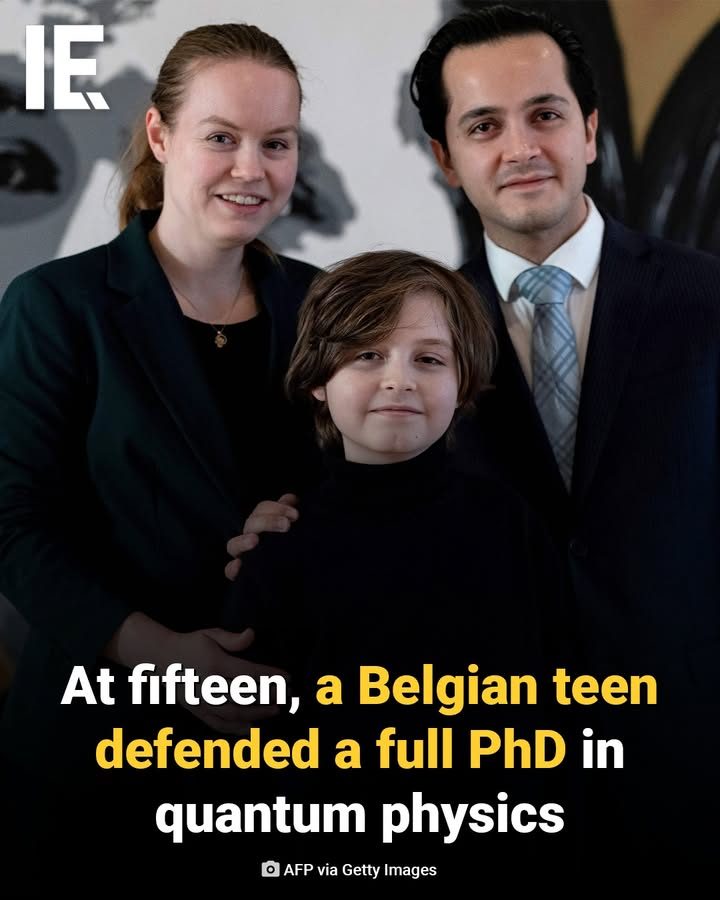
Belgian Prodigy Laurent Simons Earns PhD in Quantum Physics at 15
Laurent Simons, a young Belgian prodigy, has completed a PhD in quantum physics, completing the highest academic degree at just 15 years of age. This remarkable achievement has sparked conversations about how universities can support highly gifted students in a more flexible and accommodating manner.
Context / Why this matters
As of November 2025, Simons had not only earned his PhD but had previously completed a Bachelor's and Master's degree in physics and quantum physics, respectively. His journey showcases the potential of highly gifted students and the need for academic institutions to adapt to their exceptional capabilities. This is a significant milestone that encourages a global conversation about the potential for similar student support programs.
Main discussion
Early Academic Accomplishments
Laurent Simons’ academic journey is a testament to his extraordinary intellectual prowess. He finished high school at the tender age of eight, demonstrating a level of academic maturity far beyond his years. This early achievement set the stage for his rapid progression through higher education.
By age 11, Simons had completed a Bachelor’s degree in physics, showcasing his deep understanding of complex scientific concepts. His academic momentum continued unabated, as he completed a Master’s degree in quantum physics by the age of 12. These early milestones laid the groundwork for his eventual doctoral work.
Doctoral Research
For his PhD, Simons focused on research in Bose polarons in superfluid and supersolid systems. This area of study is at the forefront of quantum physics, exploring the behavior of particles at extremely low temperatures. His work in this field highlights the cutting-edge nature of his research and the significant contributions he has already made to the scientific community.
The University of Antwerp, where Simons defended his thesis, has been a pivotal institution in his academic journey. The support and resources provided by the university have played a crucial role in his achievements, underscoring the importance of institutional backing for gifted students.
Support for Highly Gifted Students
Laurent Simons’ journey raises important questions about how universities can better support highly gifted students. Traditional academic pathways may not always be suitable for individuals with extraordinary abilities. Institutions need to be more flexible and adaptable, offering tailored programs and resources that can nurture and challenge these students.
One key area of consideration is the acceleration of academic programs. Traditional age-based progression may not align with the capabilities of highly gifted students. Allowing them to skip grades or enroll in advanced courses at an earlier age can help maximize their potential. Additionally, providing mentorship and research opportunities can offer them the guidance and challenges they need to thrive.
University Adaptation
Universities must also be willing to adapt their policies and curricula to accommodate exceptionally gifted students. This includes offering specialized programs, flexible enrollment options, and the support of dedicated faculty members who can guide these students through their academic journey.
Institutions should also consider the emotional and social support needed by highly gifted students. While their intellectual abilities may be exceptional, they may still face social and emotional challenges typical of their age. Ensuring they have access to counselors, peer support groups, and other resources can help them navigate these challenges effectively.
Practical tips
For Parents
Parents of gifted children have a unique role to play in nurturing their talents. Here are some practical tips for fostering a supportive environment:
- Encourage Early Education: Enroll your child in advanced courses or programs that challenge their intellectual abilities.
- Provide a Supportive Environment: Foster a home environment that supports learning and growth, with access to educational resources.
- Seek Professional Guidance: Work with educators and psychologists who specialize in gifted education to understand your child’s needs better.
For Educators
Educators can also play a crucial role in supporting highly gifted students. Consider the following strategies:
- Identify Gifted Students Early: Use assessment tools to identify students with exceptional abilities.
- Offer Customized Learning Paths: Develop individualized education plans that cater to their unique needs and abilities.
- Encourage Research Opportunities: Provide opportunities for research and hands-on learning experiences to stimulate their intellectual curiosity.
Important takeaways
Laurent Simons’ story serves as a powerful reminder of the potential that lies within highly gifted individuals. His achievements highlight the need for academic institutions to be more adaptable and supportive, offering tailored programs and resources that can maximize their potential. The journey of gifted students is as challenging as it is rewarding, and providing them with the necessary support can lead to groundbreaking contributions in various fields.
Conclusion
Laurent Simons’ completion of a PhD in quantum physics at the age of 15 is a remarkable achievement that underscores the importance of supporting highly gifted students. His journey serves as an inspiration for educators, parents, and policymakers to create more inclusive and adaptive academic environments. By doing so, we can unlock the full potential of future generations of gifted individuals, paving the way for groundbreaking contributions and innovations.
Watch the Reel
Questions readers ask
How did Laurent Simons achieve a PhD in quantum physics at such a young age?
Laurent Simons began his academic journey exceptionally early, graduating from high school at 8 years old. He then earned a Bachelor's degree in physics and a Master's degree in quantum physics by the age of 12, which laid the groundwork for his PhD in quantum physics at 15.
What makes Laurent Simons' achievement significant?
Simons' achievement is significant because he is one of the youngest individuals to earn a PhD in quantum physics, a complex and advanced field. His accomplishment highlights the potential of exceptionally gifted students and the need for academic institutions to provide flexible support for such individuals.
How can universities better support exceptionally gifted students like Laurent Simons?
Universities can support highly gifted students by offering flexible curricula, advanced coursework, and mentorship programs tailored to their unique needs and capabilities. This includes recognizing and accommodating their exceptional intellect and early academic achievements.
What other early academic achievements did Laurent Simons have before his PhD?
Before earning his PhD in quantum physics at 15, Laurent Simons completed a Bachelor's degree in physics and a Master's degree in quantum physics, both at an unusually young age. These early achievements demonstrate his remarkable academic prowess.
What conversations has Laurent Simons' achievement sparked?
Laurent Simons' achievement has sparked global conversations about the need for academic institutions to adapt and provide more flexible support for highly gifted students. It encourages a rethinking of traditional academic structures to better accommodate exceptional intellect.
What is the significance of Laurent Simons being the youngest quantum physicist?
Being the youngest quantum physicist, Laurent Simons serves as an inspiration for other gifted students and showcases the potential of early academic achievement. It also underscores the importance of recognizing and nurturing exceptional talent in specialized fields like quantum physics.
What can other institutions learn from Laurent Simons' journey?
Institutions can learn the importance of recognizing and supporting exceptionally gifted students by providing appropriate resources and opportunities. Laurent Simons' journey emphasizes the need for flexibility and accommodation in academic programs to help students reach their full potential.
Related deep dives
Similar reads based on topic and creator.




Recent articles
Fresh deep dives from the latest Reels we unpacked.




Comments
Be the first to comment.