Fighting Food Waste: How a Belgian Grocery Store Owner Feeds His Community
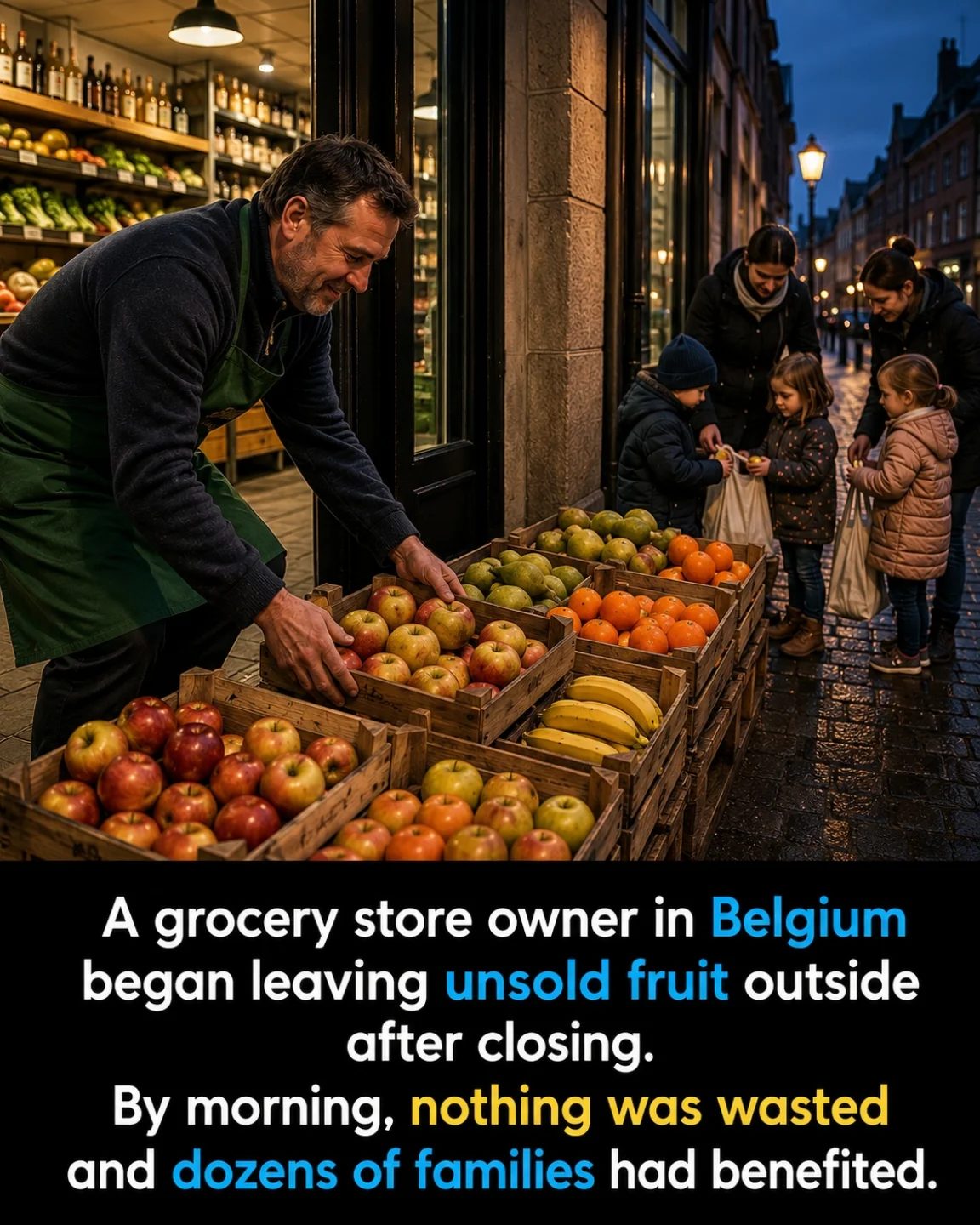
In the heart of Belgium, a grocery store owner has started a simple yet impactful initiative to combat food waste. By leaving unsold fruit outside his shop after closing, he's not only preventing waste but also feeding dozens of families each day.
Why This Matters
Food waste is a significant global issue. According to the United Nations, roughly one-third of the food produced for human consumption every year gets lost or wasted. This wastefulness occurs throughout the supply chain, from farms to stores to consumer kitchens. The environmental, economic, and social implications are vast, making initiatives like this one crucial in addressing the problem.
The Initiative
The grocery store owner began leaving boxes of unsold fruit, including apples and bananas, outside his shop after hours. This practice has become a lifeline for many families in the community. By morning, all the fruit is gone, ensuring that nothing goes to waste.
Community Impact
The initiative has had a tangible impact on the local community. Families, including parents and children, are seen gathering the fruit. This simple act of kindness has ensured that dozens of families benefit from fresh produce daily. It's a testament to how small, local efforts can make a significant difference.
Environmental Benefits
By preventing food waste, the store owner is also contributing to environmental sustainability. Food waste in landfills produces methane, a potent greenhouse gas. Reducing waste helps lower these emissions, benefiting the environment. Additionally, the practice promotes a circular economy where resources are used efficiently.
Practical Tips
For Grocery Stores
- Assess Unsold Inventory: Regularly assess which items are frequently left unsold and consider donating or repurposing them.
- Partner with Local Organizations: Collaborate with local food banks or community centers to distribute unsold items.
- Implement a Discount Program: Offer discounts on perishable items nearing their expiration dates to encourage quicker sales.
- Encourage Customer Awareness: Educate customers about the impact of food waste and encourage them to buy only what they need.
For Consumers
- Plan Your Meals: Plan your meals for the week and create a shopping list to avoid impulse buys and reduce waste.
- Store Food Properly: Learn proper food storage techniques to extend the shelf life of perishable items.
- Repurpose Leftovers: Get creative with leftovers to minimize waste and enjoy delicious meals.
- Compost: For those with access to composting facilities, compost food scraps to reduce waste and create nutrient-rich soil.
Important Takeaways
This initiative underscores the importance of community engagement and collective responsibility in addressing food waste. It serves as a reminder that small, local efforts can have a significant impact on both environmental sustainability and social welfare. By adopting similar practices, other businesses can contribute to a more sustainable and equitable world.
Conclusion
The Belgian grocery store owner's initiative is a shining example of how individuals and businesses can make a difference in their communities. By taking a simple yet effective approach to reducing food waste, he has not only prevented waste but also provided nourishment to dozens of families. This initiative highlights the power of community-driven solutions in addressing global challenges.
Watch the Reel
Questions readers ask
How does the Belgian grocery store owner's initiative address food waste?
The grocery store owner reduces food waste by leaving unsold fruit outside his shop after closing. This prevents perfectly good produce from being thrown away and instead makes it available to those in need. This simple act helps address the global issue of food waste on a local level, as it ensures that fresh produce does not go to waste.
Who benefits from the grocery store owner's initiative?
The primary beneficiaries are the families and individuals in the community who may otherwise struggle to afford or access fresh produce. By providing a steady supply of fresh fruit, the store owner helps to combat hunger and improve nutrition within the community.
What kinds of fruits are typically donated by the grocery store owner?
The types of fruits left for donation vary based on what is unsold and available in the grocery store. This can include a range of fresh fruits, from apples and bananas to more seasonal produce. The selection ensures that those in need have access to a variety of nutritious options.
How can other grocery stores adopt similar food waste reduction methods?
Other grocery stores can follow a similar approach by setting aside unsold but still fresh and edible produce. They can leave this outside the store after closing hours or partner with local charities and community organizations to ensure the food reaches those in need.
What are the broader impacts of this initiative on the community?
This initiative has a significant impact on the community by reducing food waste and providing fresh produce to those who might not otherwise have access to it. By combating food waste, the store owner also contributes to environmental sustainability and promotes a sense of community support and solidarity.
How does this initiative align with global efforts to reduce food waste?
This initiative aligns with global efforts by addressing food waste at a local level. By reducing the amount of produce that ends up in landfills, the store owner contributes to the broader goal of minimizing global food waste, as estimated by the United Nations. It shows that even small, local actions can have a meaningful impact on a global issue.
What challenges might the grocery store owner face with this initiative?
The grocery store owner may face challenges such as ensuring that the donated produce is fresh and safe for consumption, managing the logistics of setting out the produce each day, and potentially dealing with fluctuations in the amount of unsold fruit. However, the positive community impact often outweighs these challenges.
Recent articles
Fresh deep dives from the latest Reels we unpacked.




Comments
Be the first to comment.