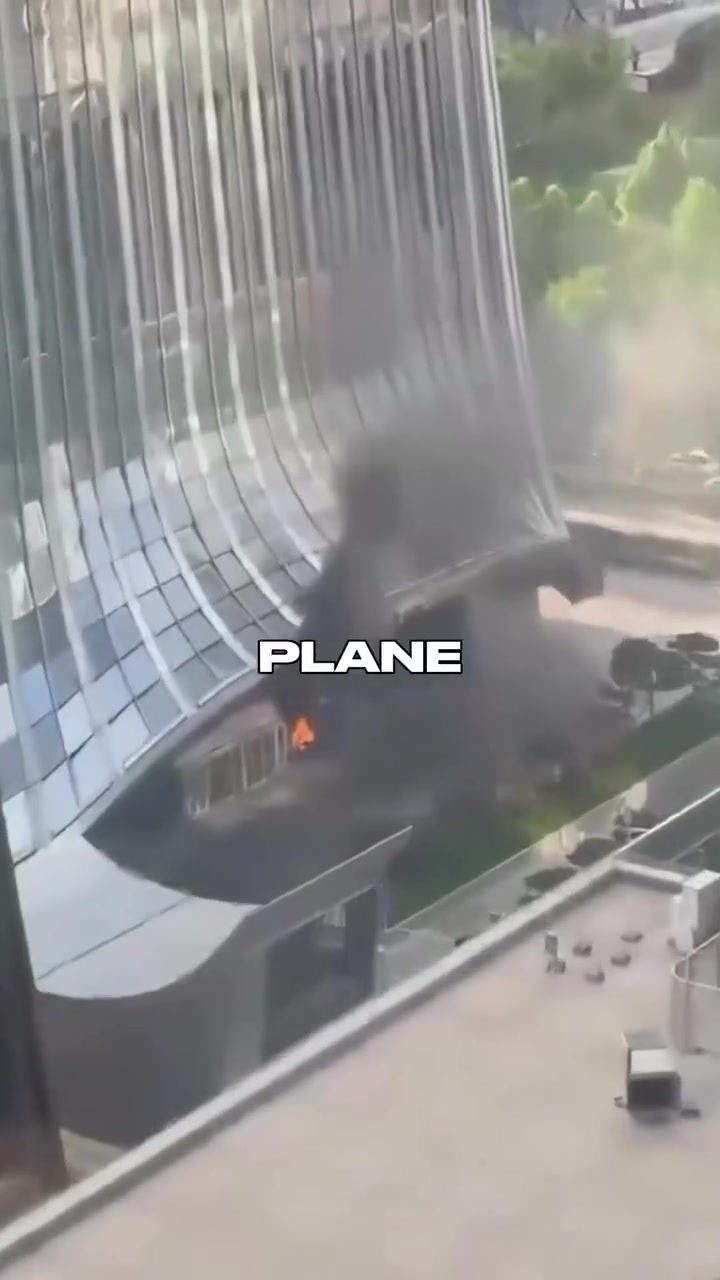
The Sitik Tower Incident: A Small Plane Hits Beijing's Tallest Skyscraper
The Sitik Tower, Beijing's tallest skyscraper, made headlines recently when a small plane crashed into the 109-story building. This unprecedented incident raised numerous questions about aviation safety, media censorship, and the mysterious circumstances surrounding the event.
Why This Matters
The Sitik Tower incident is significant for several reasons. Firstly, it highlights the vulnerability of even the most secure and controlled airspaces. Secondly, it underscores the role of media censorship in China and how it affects the public's access to information. Lastly, it brings to light the importance of transparency in aviation incidents to ensure public safety and trust.
The Incident: What Happened?
On a Friday, a video surfaced showing a small plane colliding with the Sitik Tower. The impact caused significant damage, with reports of the pilot being killed and 13 others injured. Debris and glass from the building fell onto the street, causing chaos and panic among passersby. However, within a couple of hours, the situation seemed to normalize, with authorities quickly regaining control.
The Building
The Sitik Tower, standing at 109 stories tall, is an architectural marvel and a symbol of Beijing's modernity. Its height and prominence make the collision all the more shocking. The building is equipped with state-of-the-art safety measures, raising questions about how such an incident could occur.
The Plane
Details about the plane are scarce. Reports indicate it was a small aircraft, but specifics about its type, registration, and origin are not publicly available. The pilot's identity and motive remain unknown, adding to the mystery surrounding the event.
Media and Censorship
Rapid Censorship
One of the most striking aspects of this incident is the swift censorship of related content. In China, any information about the incident that is not an official announcement is subject to strict controls. Videos and posts about the crash were quickly removed or hidden from social media platforms, leaving the public with few details.
Official Narrative
The official narrative is that the incident is under investigation, and more information will be released as it becomes available. However, the secrecy and lack of transparency have led to speculation and uncertainty among the public.
Questions Remain
Aviation Controls
The incident raises critical questions about aviation controls in Beijing. Despite having some of the strictest aviation regulations in the world, a small plane managed to collide with one of the city's most iconic landmarks. This begs the question: how did this happen?
Pilot and Motive
Another pressing question is the identity and motive of the pilot. Was this an accident, or was there a deliberate intent behind the crash? If it was an accident, how did the pilot fail to notice a massive building directly in their path?
Practical Tips for Understanding
Stay Informed
Given the censorship, staying informed about such incidents can be challenging. Reliable sources of information include official announcements from authorities and verified news outlets. Always cross-verify information from multiple sources to get a comprehensive understanding.
Public Safety
For those living or working in high-rise buildings, this incident serves as a reminder to be prepared for unexpected emergencies. Knowing evacuation procedures and having an emergency plan in place can make a significant difference in such situations.
Important Takeaways
Vigilance in Urban Areas
This incident underscores the importance of vigilance in urban areas, especially around tall buildings. While rare, such events can have significant consequences, and being prepared is crucial.
Transparency in Aviation
Transparency in aviation incidents is essential for public safety and trust. Authorities should strive to provide as much information as possible, even if the investigation is ongoing. This helps in understanding the causes and preventing similar incidents in the future.
Censorship and Information Access
The rapid censorship of information highlights the challenges of accessing accurate and timely information in certain regions. It is essential to rely on verified sources and be cautious of misinformation or propaganda.
Conclusion
The Sitik Tower incident in Beijing is a stark reminder of the vulnerabilities in even the most controlled airspaces and the challenges of media censorship. Understanding the facts and staying informed can help mitigate the risks and ensure better preparedness for future incidents. While the exact details may remain shrouded in mystery for now, the lessons learned from this event will undoubtedly shape future aviation and safety protocols.
Watch the Reel
Questions readers ask
What measures are typically in place to prevent plane crashes in controlled airspaces like Beijing's?
China, like many countries, employs various measures to ensure aviation safety, including strict air traffic control protocols, regular aircraft maintenance checks, and pilot training programs. However, the Sitik Tower incident raises questions about the effectiveness of these measures in high-density urban areas.
How has the Chinese media responded to the Sitik Tower plane crash?
Following the incident, there was a notable effort to censor information related to the crash. This includes the removal of social media posts, news articles, and videos discussing the event, which has sparked conversations about media control and transparency.
What are the potential consequences of media censorship in such incidents?
Media censorship can limit public access to crucial information, hinder investigations, and delay necessary safety improvements. It can also erode public trust in authorities and media outlets, making it challenging to disseminate accurate information during future crises.
What makes the Sitik Tower incident unique compared to other plane crashes?
The Sitik Tower incident is unique due to the location of the crash—the tallest skyscraper in Beijing—and the mysterious circumstances surrounding it, including the rapid censorship of related content. This has made it a focal point for discussions about urban aviation safety and media control.
How does this incident reflect on China's aviation safety standards?
The crash raises concerns about the robustness of China's aviation safety standards and regulations, particularly in densely populated urban areas. This incident could prompt a review of current safety protocols and infrastructure to prevent similar occurrences in the future.
What role does air traffic control play in preventing such incidents?
Air traffic control is crucial in managing the movement of aircraft and maintaining safe distances between them and buildings. The Sitik Tower incident highlights the importance of effective air traffic control, especially in areas with tall buildings and high aircraft traffic.
What can the public do to stay informed about such incidents given the media censorship?
In a heavily censored environment, staying informed can be challenging. The public can rely on international news sources, social media platforms that are not as strictly controlled, and word-of-mouth to gather information. However, it is essential to verify the authenticity of the sources to avoid misinformation.
Recent articles
Fresh deep dives from the latest Reels we unpacked.




Comments
Be the first to comment.