Macro Beetle Photography
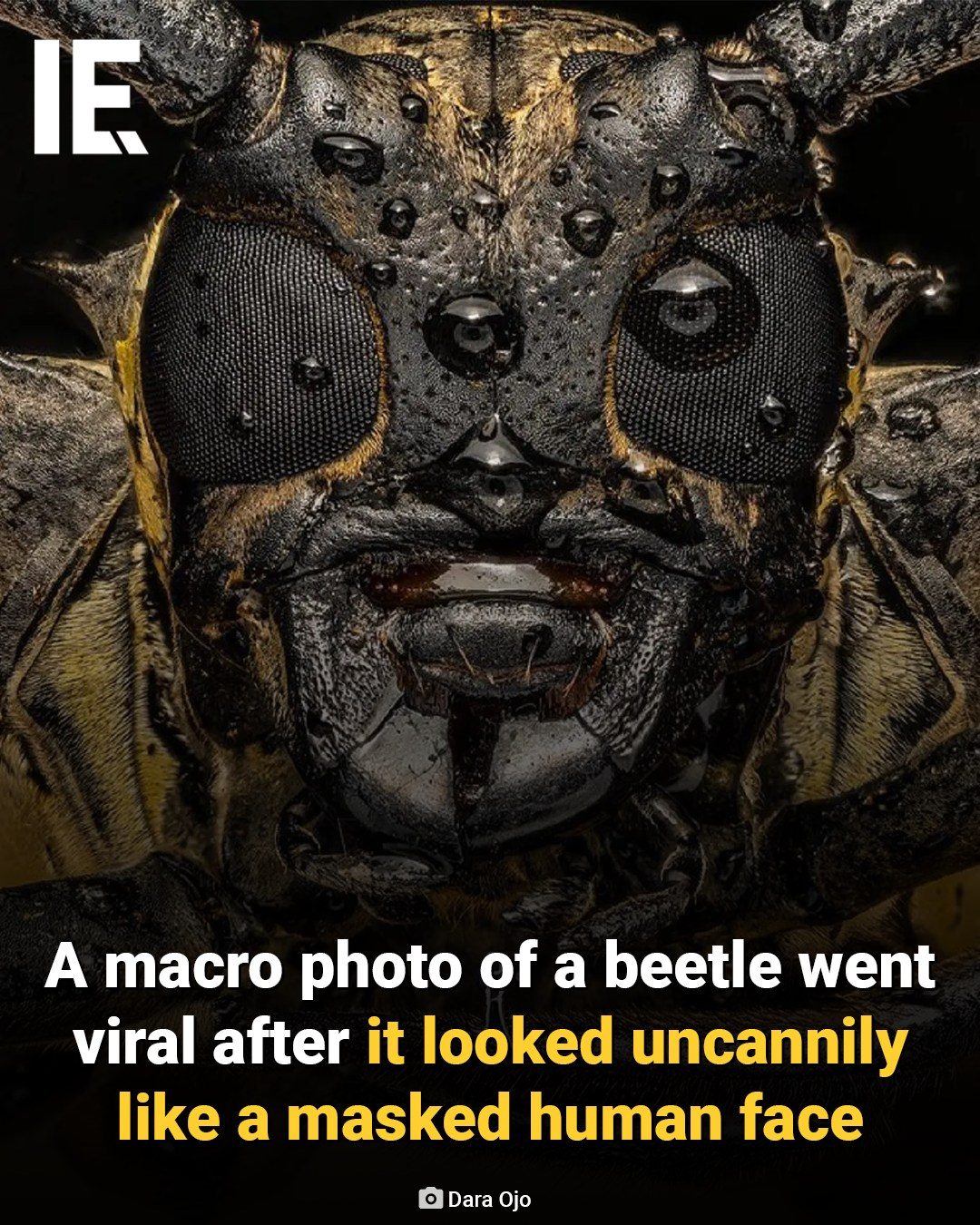
A macro photograph of a beetle captivated thousands online after it was captured by photographer Dara Ojo. The image, taken in Jiaxing, China, showcases a white striped longhorn beetle with water droplets on its head, creating an illusion of human eyes and a mask. This striking resemblance sparked a wave of jokes and disbelief across social media platforms like Reddit and Instagram.
Context: The Power of Macro Photography
Macro photography involves capturing small subjects at very close distances, revealing details that are often overlooked by the naked eye. This technique can transform ordinary objects into extraordinary subjects, as demonstrated by Dara Ojo's photograph of the white striped longhorn beetle. The unique angle and composition of the shot brought out an uncanny resemblance to a masked human face, making it a viral sensation.
This type of photography is not just about the subject; it's also about the lighting, the positioning, and the timing. The use of natural elements, such as water droplets, can add an extra layer of intrigue to the photograph, making it stand out even more.
From Insect to Internet Sensation
The Photographer
Dara Ojo, the photographer behind this viral macro photograph, has a keen eye for detail and a talent for capturing the extraordinary in the ordinary. Based in Jiaxing, China, Ojo's work often focuses on the natural world, specifically on insects. The white striped longhorn beetle, with its distinctive stripes and unique facial features, provided the perfect subject for a captivating macro shot.
The Beetle
The white striped longhorn beetle, known for its striking white stripes and long antennae, is a fascinating subject for macro photography. This species is often found in subtropical and tropical regions, and its unique appearance makes it a popular subject for nature photographers. The water droplets on its head, which created the illusion of human eyes and a mask, were a fortuitous addition that elevated the photograph to viral status.
The Science Behind the Illusion
The illusion created by the water droplets and the beetle's facial features is a fascinating example of how our brains perceive and interpret visual information. The human brain is wired to recognize patterns, especially those that resemble familiar objects or faces. This phenomenon, known as pareidolia, explains why we often see faces in clouds, rocks, or, in this case, a beetle.
The specific arrangement of the water droplets on the beetle's head created the illusion of eyes and a mask, which our brains quickly interpreted as a human face. This misinterpretation was further amplified by the beetle's natural facial features, which added to the overall resemblance. This remarkable photograph offers a vivid demonstration of how our brains process visual information and how macro photography can reveal surprising details in the natural world.
Practical Tips for Macro Photography
Invest in the Right Equipment
Macro photography requires specialized equipment, including a macro lens or a close-up filter. These tools allow photographers to capture subjects at very close distances with sharp focus and minimal distortion. Additionally, a sturdy tripod can help keep the camera steady, reducing the risk of blurring and ensuring that every detail is captured clearly.
Master Natural Lighting
Lighting can make or break a macro photograph. Natural light is often the best option, as it can highlight the intricate details of small subjects. Experiment with different angles and intensities of light to find the best way to illuminate your subject. Reflectors and diffusers can also help control and soften the light, creating more flattering and dramatic effects.
Focus on Composition
Composition is key in macro photography. Look for interesting angles and perspectives that will bring out the unique features of your subject. Don't be afraid to experiment with different focal lengths and depths of field to create a sense of depth and dimension. A well-composed macro photograph can turn an ordinary subject into a work of art.
Be Patient and Observant
Macro photography often involves waiting for the perfect moment. Be patient and observant, and look for natural elements, such as water droplets or dew, that can add an extra layer of interest to your photograph. Pay attention to the behavior of your subject, and be ready to capture those fleeting moments that make a photograph truly exceptional.
Important Takeaways
Macro photography is a fascinating and rewarding genre that can reveal the beauty and intricacy of the natural world. The photograph of the white striped longhorn beetle captured by Dara Ojo is a testament to the power of this technique, highlighting how water droplets and precise lighting can create illusions that captivate and amaze.
Nature photography offers endless opportunities for discovery and creativity. By investing in the right equipment, mastering natural lighting, and focusing on composition, you can capture stunning images that reveal the hidden beauty of the world around us.
The photograph's viral popularity underscores the universal appeal of nature and the human brain's remarkable ability to find meaning and patterns in the most unlikely places. Whether you're a seasoned photographer or just starting out, exploring the world of macro photography can open up a new world of possibilities and inspiration.
Conclusion
The white striped longhorn beetle photograph by Dara Ojo is a stunning example of how macro photography can transform the ordinary into the extraordinary. By capturing the intricate details of this beetle and the illusions created by water droplets, Ojo's work has sparked a global conversation and showcased the beauty and wonder of the natural world. Emphasizing the importance of patience, attention to detail, and the right equipment, macro photography offers a unique and rewarding way to explore and appreciate nature.
Watch the Reel
Questions readers ask
What makes a beetle photo resemble a human face?
The unique angle, lighting and composition of macro photographs can reveal intricate details that create striking visual illusions. In the case of Dara Ojo's photograph, water droplets on the beetle's head formed shapes that mimicked human eyes, while the natural patterns on the beetle's body resembled a mask or facial features.
What is macro photography and why is it so effective for insect photos?
Macro photography involves taking close-up shots of small subjects, often magnifying them to life-size or larger. This technique is particularly effective for insect photos because it reveals the tiny details and textures that are typically invisible to the naked eye, making even ordinary insects appear extraordinary.
Who is Dara Ojo and where was the beetle photograph taken?
Dara Ojo is the photographer who captured the stunning image of the white striped longhorn beetle. The photograph was taken in Jiaxing, China, where Ojo was able to utilize the natural environment to create a unique and captivating image.
What caused the beetle photo to go viral?
The beetle photograph went viral due to its uncanny resemblance to a human face, which sparked a wave of reactions and shares across social media platforms. The striking illusion of human eyes and a mask, combined with the skillful use of macro photography techniques, made the image particularly shareable and memorable.
What makes a good macro photograph?
A good macro photograph is one that reveals details that are not visible with the naked eye, creating a unique and captivating image. To achieve this, photographers use special lenses and techniques, such as careful composition, precise focus, and optimal lighting, to highlight the intricate textures and patterns of their subjects.
What type of beetle was photographed by Dara Ojo?
The beetle photographed by Dara Ojo is a white striped longhorn beetle, known for its distinctive stripes and elongated antennae. These beetles are native to Asia and are often found in forests and wooded areas, making them a fascinating subject for macro photography.
How can I achieve similar results in my own macro photography?
To achieve similar results, experiment with different angles, lighting, and compositions to reveal the unique details of your subject. Investing in a macro lens or extension tubes can also help you capture close-up images with greater clarity and detail. Practice and patience are key to mastering the art of macro photography, so don't be afraid to experiment and try new techniques.
Related deep dives
Similar reads based on topic and creator.



Recent articles
Fresh deep dives from the latest Reels we unpacked.




Comments
Be the first to comment.