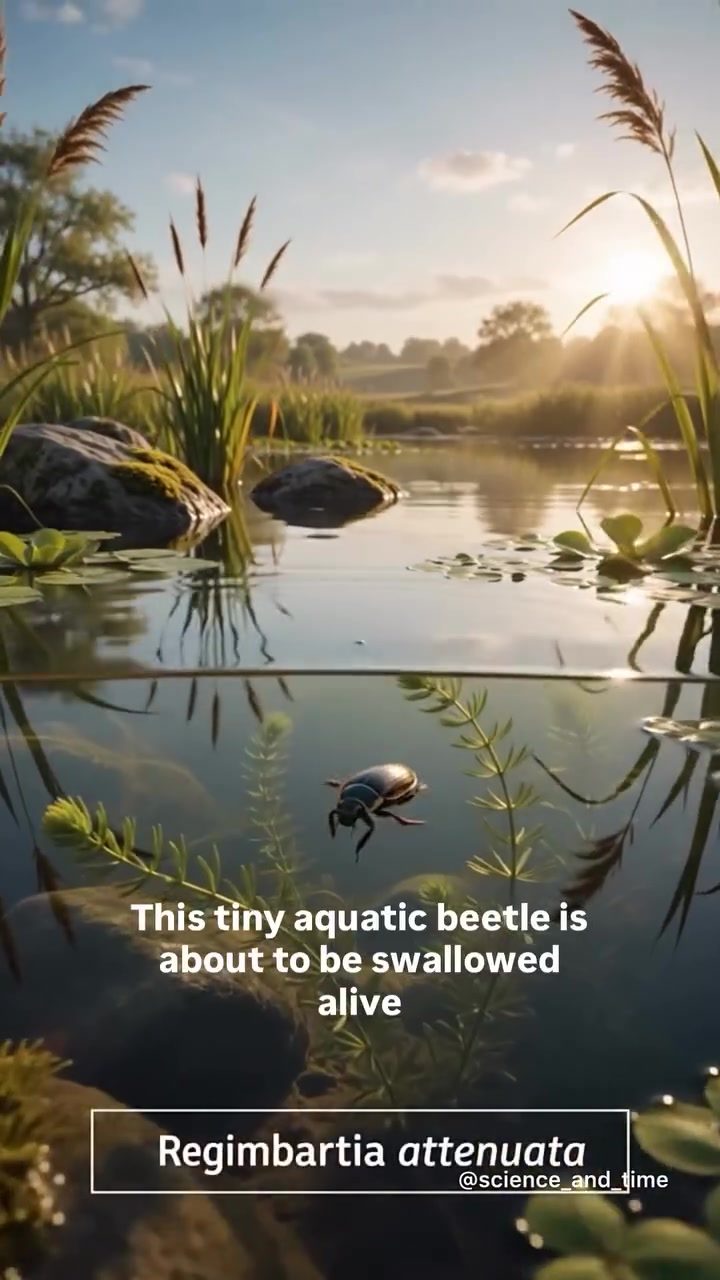
The Regimbartia attenuata Beetle: A Tale of Survival
The Regimbartia attenuata beetle, a tiny aquatic species, demonstrates one of nature's most astonishing survival strategies. This beetle can survive being swallowed by a frog, navigating the frog's digestive system and ultimately escaping alive. This remarkable journey showcases the beetle's unique adaptations and resilience, making it a subject of fascination for biologists and nature enthusiasts alike.
Why This Matters
Understanding the survival mechanisms of the Regimbartia attenuata beetle offers insights into the extraordinary adaptations that enable certain species to thrive in seemingly inhospitable environments. This beetle's ability to withstand the harsh conditions of a frog's digestive tract highlights the incredible diversity and resilience found in nature. Moreover, studying such adaptations can provide inspiration for biological research and conservation efforts, emphasizing the importance of preserving biodiversity.
The Journey of Survival
The Initial Encounter
The story begins when the Regimbartia attenuata beetle is swallowed by a frog. Unlike most prey, which would be immediately digested, this beetle has a unique escape plan. Its journey through the frog's digestive system is a testament to its extraordinary resilience and adaptive abilities.
Survival in the Stomach
Once inside the frog's stomach, the beetle faces a formidable challenge: digestive acids. These acids are designed to break down food, but the beetle's waterproof body allows it to withstand this harsh environment. Protected by its waterproof exterior, the beetle remains alive while searching for a way out. This initial survival in the stomach is a critical first step in its journey to escape.
Navigating the Intestine
The beetle's journey does not end in the stomach. It continues to crawl through the frog's small intestine, facing new challenges. Muscles in the intestine push against it, but the beetle refuses to stop. Every second brings it closer to freedom as it navigates the complex and dynamic environment of the digestive tract. This relentless determination is a key factor in its successful escape.
The Final Escape
The climax of the beetle's journey occurs when it reaches the frog's cloaca. This part of the digestive system is where waste is expelled, and the beetle seizes this opportunity to escape. Crawling out alive after traveling the entire length of the digestive tract, the beetle completes its extraordinary journey, escaping digestion completely. This final act of survival is a remarkable feat, showcasing the beetle's tenacity and adaptability.
Adaptations for Survival
The Regimbartia attenuata beetle's ability to survive inside a frog's digestive system is attributed to several key adaptations. These adaptations include:
Waterproof Body
The beetle's waterproof body is a critical factor in its survival. This adaptation allows it to withstand the acidic environment of the frog's stomach, preventing the digestive acids from breaking down its body. This protective layer is essential for the beetle's journey through the digestive tract.
Resilience and Determination
The beetle demonstrates remarkable resilience and determination as it navigates the frog's digestive system. Its ability to continue moving forward despite the challenges it faces, such as the pushing muscles in the intestine, highlights its tenacity. This relentless drive for survival is a key adaptation that enables it to escape digestion.
Adaptive Behavior
The beetle's behavior, including its ability to search for an escape route and its relentless determination, are crucial adaptive behaviors. These behaviors allow it to navigate the complex and dynamic environment of the digestive tract, ultimately leading to its successful escape.
Practical Tips for Observing and Studying Regimbartia attenuata
Understanding Behavior
Observing the Regimbartia attenuata beetle in its natural habitat can provide valuable insights into its behavior and adaptations. By studying its interactions with predators and its environmental preferences, researchers can gain a deeper understanding of its survival strategies.
Conservation Efforts
Conservation efforts aimed at preserving the habitats of the Regimbartia attenuata beetle are essential. Protecting its natural environment ensures that it has the resources and conditions necessary for survival. This includes safeguarding aquatic habitats and promoting biodiversity in ecosystems where the beetle is found.
Research and Education
Further research into the adaptations of the Regimbartia attenuata beetle can provide valuable information for biological research and education. Studying its unique survival mechanisms can inspire new approaches to conservation and biodiversity preservation.
Important Takeaways
The survival story of the Regimbartia attenuata beetle offers several important takeaways:
The Power of Adaptation
The beetle's ability to survive inside a frog's digestive system highlights the power of adaptation. Its waterproof body, resilience, and adaptive behaviors are key factors in its successful escape, demonstrating how natural selection can shape unique survival strategies.
The Importance of Resilience
The beetle's relentless determination and resilience are crucial for its survival. These traits enable it to overcome the challenges it faces in the digestive tract, showcasing the importance of perseverance in the face of adversity.
The Value of Biodiversity
The Regimbartia attenuata beetle's unique adaptations and survival strategies underscore the value of biodiversity. Preserving diverse ecosystems ensures the continued existence of extraordinary species like the Regimbartia attenuata beetle, which can inspire and inform biological research and conservation efforts.
Conclusion
The Regimbartia attenuata beetle's journey through a frog's digestive system is a testament to nature's incredible diversity and the power of adaptation. Its waterproof body, resilience, and adaptive behaviors enable it to survive and escape, showcasing the remarkable survival strategies found in the natural world. Understanding and preserving such adaptations is crucial for biological research, conservation, and our appreciation of the wonders of nature.
Watch the Reel
Questions readers ask
How does the Regimbartia attenuata beetle survive being swallowed by a frog?
The Regimbartia attenuata beetle has unique adaptations that allow it to withstand the harsh conditions of a frog's digestive system. These adaptations enable the beetle to navigate the digestive process and ultimately escape alive.
What makes the Regimbartia attenuata beetle's survival strategy so remarkable?
The beetle's ability to survive the frog's digestive process, including exposure to stomach acids, is a testament to its resilience and unique biological adaptations. This strategy is particularly notable because the frog's digestive system is designed to break down food, not allow it to escape.
What can we learn from the survival tricks of the Regimbartia attenuata beetle?
Studying the Regimbartia attenuata beetle provides valuable insights into the extraordinary adaptations that enable certain species to thrive in seemingly inhospitable environments. Its survival mechanisms highlight the incredible diversity and resilience of nature's tiny creatures.
Can other insects survive being swallowed by a frog?
While the Regimbartia attenuata beetle has a unique adaptation to survive in a frog's digestive system, it is not common to most insect species. The beetle's ability to withstand the digestive process is specific to its unique physiology and behavior, making it a fascinating subject for biologists.
What happens when a frog swallows a Regimbartia attenuata beetle?
When a frog swallows a Regimbartia attenuata beetle, the beetle navigates through the frog's digestive system, enduring harsh conditions such as stomach acids. Remarkably, the beetle can escape the frog's digestive tract and emerge alive, showcasing its incredible survival strategy.
Related deep dives
Similar reads based on topic and creator.



Recent articles
Fresh deep dives from the latest Reels we unpacked.


Comments
Be the first to comment.