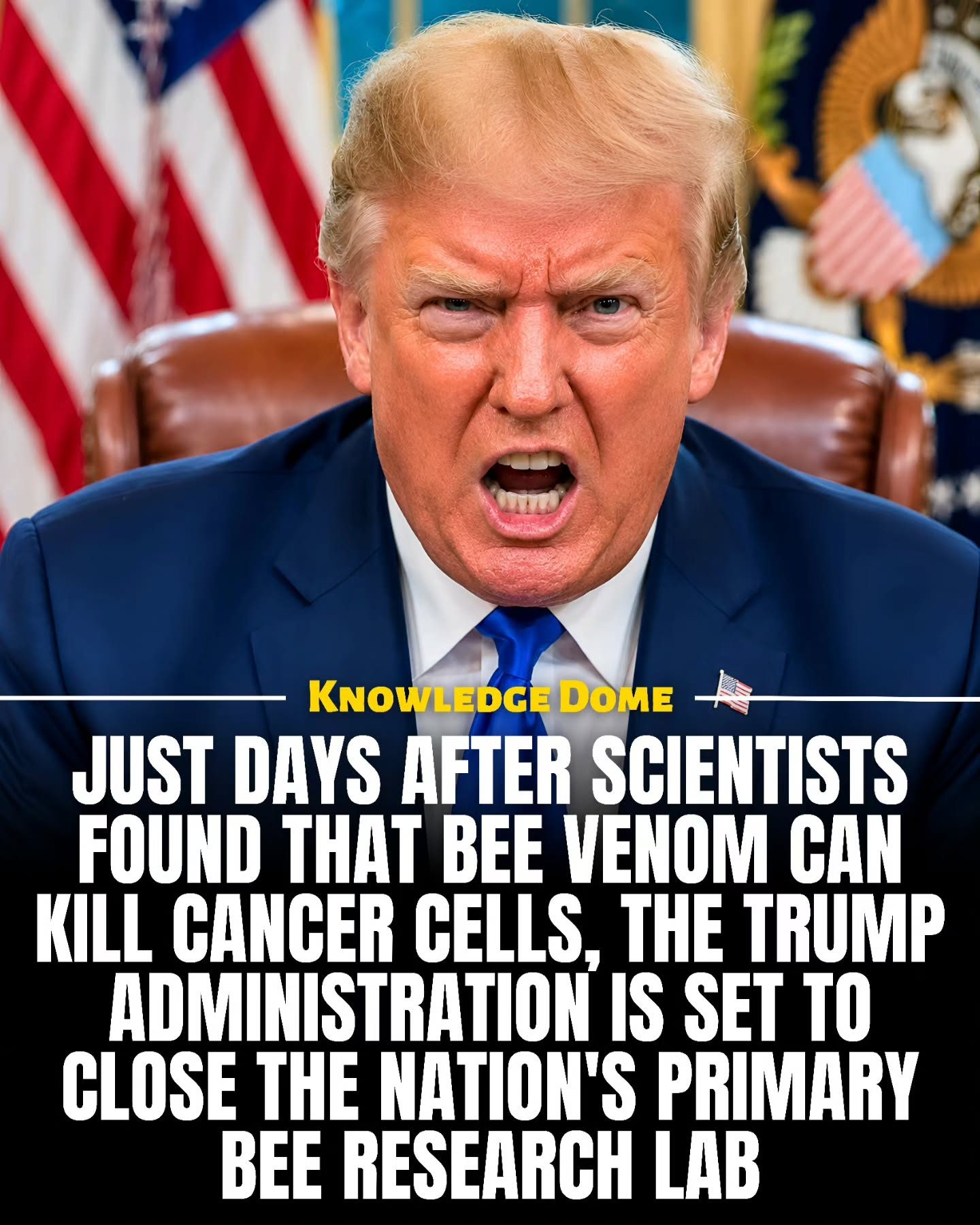
The intersecting worlds of bee venom and federal policy
Bee venom and federal bee research are in the news at the same time due to a surprising scientific discovery and a controversial government decision.
Context / Why this matters
Bee venom has gained attention due to its potential to destroy certain cancer cells. This discovery opens up new avenues for medical research and cancer treatment. Bees, however, are more than just a source of potential medical breakthroughs—they play a crucial role in agriculture. Pollinators like bees are vital for the production of many fruits, vegetables, and crops that people rely on daily. Therefore, the health of bee populations directly impacts food security and agricultural sustainability.
The dual headlines
The promise of bee venom
Recent laboratory studies have shown that compounds found in bee venom can destroy certain cancer cells. This finding has generated excitement in the scientific community and among those seeking new cancer treatments. However, it's important to note that while the results are promising, much more research is needed before any bee venom-based treatment could be safely used on people. The research is still in its early stages, and scientists must conduct extensive studies to understand the mechanisms, safety, and efficacy of bee venom as a potential cancer treatment.
The controversy over federal bee research
Just days after the bee venom discovery, reports emerged that the Trump administration planned to shut down the United States' main federal bee research laboratory. This lab has played a significant role in studying honeybees, pollination, bee diseases, and the threats facing bee populations across the country. The decision to close the lab has sparked concern among researchers and environmental groups. They argue that bee populations are already struggling due to various factors, including disease, pesticides, habitat loss, and climate-related challenges. The potential closure of the nation's primary bee research center could slow efforts to protect pollinators and better understand their importance to agriculture and food production.
Concerns about the timing
The timing of the decision to close the bee research lab has drawn particular attention. It comes right after headlines about bee venom's potential medical benefits, highlighting how much remains to be learned about bees and their importance to both human health and the environment.
The importance of bee research
Understanding bee health and disease
Bee research is crucial for understanding the complex factors affecting bee health and disease. Bees face numerous challenges, including Colony Collapse Disorder, which has decimated honeybee populations in recent years. Research helps identify the causes of these issues and develop strategies to mitigate them.
Pollination and agriculture
Bees are responsible for pollinating many of the fruits, vegetables, and crops that people rely on every day. Without bees, agriculture would face significant challenges, and food security could be jeopardized. Research into bee behavior, pollination patterns, and the impact of environmental factors on bee populations is essential for sustaining agricultural productivity.
Climate change and habitat loss
Bees are also impacted by climate change and habitat loss. Research helps scientists understand how these environmental changes affect bee populations and develop strategies to protect bees and their habitats. This includes studying the impact of pesticides, habitat fragmentation, and changing weather patterns on bee health and behavior.
Practical tips for bee conservation
Supporting local beekeepers
One way to support bee conservation is by buying local honey and other bee products. This not only supports local beekeepers but also encourages sustainable practices that benefit bee populations.
Creating bee-friendly gardens
Planting bee-friendly flowers and plants in your garden can provide bees with essential food sources and habitats. Choose a variety of native plants that bloom at different times of the year to ensure a steady supply of nectar and pollen for bees.
Reducing pesticide use
Reducing or eliminating the use of pesticides in your garden and landscape can help protect bees and other pollinators. Opt for natural pest control methods and choose bee-friendly plants that are resistant to pests and diseases.
Providing shelter
Providing bees with shelter, such as bee houses or natural habitats like trees and shrubs, can help support bee populations. Bees need safe places to nest and overwinter, and providing these habitats can help ensure their survival.
Important takeaways
Bee venom research offers promising potential for cancer treatment, but closing the nation's primary bee research lab could have significant repercussions for agriculture and the environment.
The decision to shut down the federal bee research laboratory highlights the complex interplay between scientific discovery, public policy, and environmental conservation. It underscores the importance of continued research into bee health, disease, and the threats facing bee populations.
The timing of the decision, coming just after news of bee venom's potential medical benefits, serves as a reminder of the many unknowns surrounding bees and their role in human health and food production. It also highlights the need for sustainable policies that support both scientific research and environmental conservation.
Conclusion
Bee venom research and federal bee research are interconnected in ways that highlight the importance of bees to both human health and the environment. The controversy surrounding the potential closure of the nation's primary bee research laboratory serves as a reminder of the need for continued investment in scientific research and environmental conservation. By supporting bee conservation efforts and advocating for sustainable policies, individuals can help protect bees and ensure their vital role in agriculture and food production.
Watch the Reel
Questions readers ask
What are the potential benefits of bee venom in cancer research?
Bee venom has shown potential in destroying certain cancer cells, making it an intriguing subject for medical researchers. This opens up new possibilities for cancer treatments, as scientists explore how bee venom can be harnessed to target and eliminate malignant cells.
Why is the Trump Administration's plan to close a major federal bee research lab concerning?
The closure of a major federal bee research lab raises environmental concerns because bees are vital pollinators for many crops. The loss of such a lab could hinder the understanding and protection of bee populations, which in turn, can impact food security and agricultural sustainability.
How does bee venom research fit into the broader context of medical discovery?
Scientific research on bee venom is part of a broader effort to find innovative ways to combat cancer. By studying the unique properties of bee venom, researchers hope to develop new treatments that can specifically target and destroy cancerous cells.
What are the implications of the Trump administration's policies on bee research for environmental health?
The Trump administration's decision to close a federal bee research lab is seen as a setback for environmental health. This move could limit the progress in understanding and addressing the decline of bee populations, which has broader implications for ecosystems that rely on bees for pollination.
How does the closure of a federal bee research lab impact cancer research?
The closure of a federal bee research lab could indirectly affect cancer research, as it may limit the understanding of bee venom's medical benefits. This could hinder the development of new cancer treatments that rely on insights gained from studying bee venom and its interactions with cancer cells.
What are the possible outcomes of using bee venom in cancer treatment?
Using bee venom in cancer treatment holds the potential for developing targeted therapies. These therapies could potentially offer new approaches to combat cancer by leveraging the venom's ability to destroy cancer cells, offering hope for more effective and less invasive treatments.
How does the decline in bee populations affect food production and sustainability?
The decline in bee populations can significantly impact food production and sustainability. Bees are crucial pollinators for a wide range of crops, and a decrease in their numbers can lead to reduced crop yields and increased food insecurity. This underscores the importance of research and conservation efforts aimed at protecting bee populations.
Related deep dives
Similar reads based on topic and creator.



Recent articles
Fresh deep dives from the latest Reels we unpacked.




Comments
Be the first to comment.