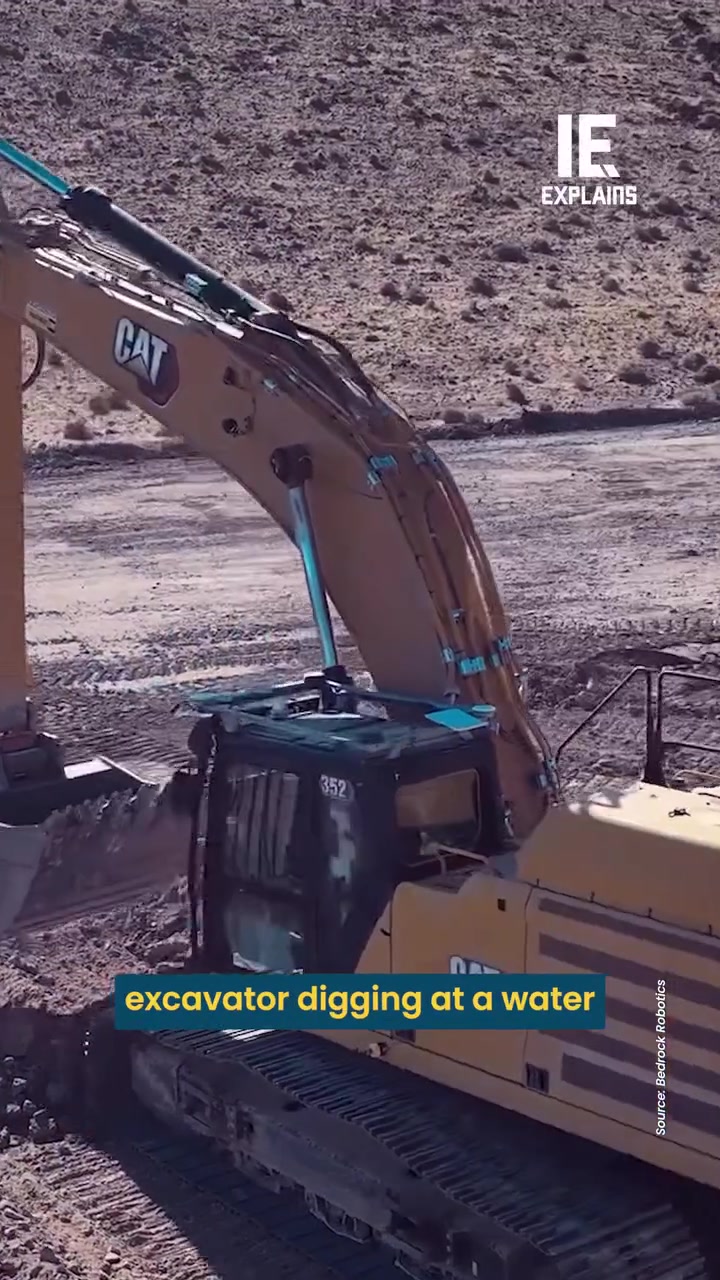
An autonomous excavator is digging at a water treatment plant in Nevada without a human operator in the cab. This isn't a futuristic fantasy but a reality brought to life by Bedrock Robotics, a company that has made fully operational its autonomous excavators on live commercial job sites, as confirmed on August 17.
The Excavator and the AI Brain
Bedrock Robotics is not building robots from scratch. They are transforming the machines contractors already own into autonomous excavators capable of navigating job sites without human intervention. The system works by integrating an end-to-end machine learning model into the existing machinery. This model handles all tasks, from seeing the site to planning motion, swinging the bucket, filling the truck, and maintaining safety protocols. There are no permanent changes to the machine itself. This means that the equipment can be converted back if necessary. The conversion process fits excavators ranging from 20 to 80 tons, accommodating various major manufacturers. This capability is particularly useful for contractors who need to adapt quickly to changing job site conditions and project requirements.
Labor Shortage and Autonomous Solutions
Bedrock’s solution addresses a critical issue in the construction industry: a severe labor shortage. According to a series of contractor partners, the US industry needs to attract 349,000 new workers this year. Autonomous machines like Bedrock’s excavators can keep operations running even through the night. For a construction firm with a tight deadline, that’s invaluable. Autonomous excavators can work around the clock, improving efficiency and productivity. This means that the machines can continue to operate safely without the need for human intervention, even during periods when traditional labor might be unavailable. It could significantly reduce labor costs and increase efficiency for large-scale projects.
How It Works: Seeing, Planning, Doing
The key to Bedrock’s system is its single machine learning model. It can oversee every aspect of the excavator’s operation, from site assessment to the completion of tasks like bucket swinging and truck filling. The system is designed to detect and respond to unexpected obstacles or the presence of people. If an individual or an object gets too close, the machines automatically stop. Bedrock’s excavators operate without fencing, ensuring safety through constant vigilance. If someone or something moves into the machine’s path, it halts operations immediately. This is a marked improvement over traditional safety measures, which often rely on physical barriers to keep people away from active construction equipment.
The right hardware
To become “robotized,” excavators typically need several sensors and a central processing unit (CPU). Bedrock Robotics has engineered its technology to fit a wide range of excavators. Excavator contractors already own massive machines capable of high-powered digging, and manufacturers typically make it easy to attach extra hardware.
Engineers Prove the System — Works in Live Conditions
After a day of training, an excavator can begin its first fully autonomous operation. Bedrock Robotics engineers proved this by testing the system in various real-world scenarios. The excavator operates without a cab and can begin working in a single day.
Going Beyond Excavators
Bulldozers, loaders, and dump trucks are the next phase of Bedrock Robotics’ plans. The company envisions a future where all these machines coordinate as one seamless fleet. This collective operation would optimize efficiency and minimize downtime on job sites. As the machines learn to work together, contractors could manage larger projects with fewer personnel.
Putting Autonomous Excavators to Work
For contractors looking to implement autonomous excavators, Bedrock Robotics offers a straightforward process. The company retrofits existing machines, making the transition seamless and cost-effective. The steps typically include:
- Consultation: Collaborate with Bedrock Robotics to assess your needs and existing equipment.
- Integration: The company installs the necessary sensors and machine learning model.
- Training: The system learns the specific job site and operational requirements.
- Deployment: The excavator begins autonomous operation. For additional training or support, Bedrock Robotics provides ongoing technical assistance to ensure smooth operations.
- Equipment Preparation: Contractors will need to ensure their excavators are in good working condition and compatible with Bedrock’s technology.
- Site Preparation: The job site should be prepared with clear boundaries and minimal obstacles to facilitate smooth operation. Bedrock’s machines can navigate various terrains.
The Future of Autonomous Construction
The construction industry has a history of adopting new technologies to increase efficiency and productivity. With the integration of autonomous machines, the sector is poised for a significant transformation. As Bedrock Robotics’ technology continues to evolve, it could set the standard for future developments in construction automation. The ability to keep operations running 24/7 makes autonomous excavators a game-changing innovation. The growth of Bedrock Robotics, from its founding in 2024 by ex-Waymo employees to securing $270 million in February at a $1.75 billion valuation, highlights the company's potential. Excavators are just the beginning. Next are dump trucks, dozers, and loaders, with all these machines working in harmony. The future of construction is autonomous, and Bedrock Robotics is leading the way.
Watch the Reel
Questions readers ask
What exactly is an autonomous excavator and how does it differ from a traditional one?
An autonomous excavator is a construction machine that operates without a human driver. Unlike traditional excavators, which require an operator in the cab, autonomous excavators use advanced machine learning models to handle all tasks, from site navigation to task execution, all while maintaining safety protocols. This allows them to work continuously, even in the absence of human labor.
How does Bedrock Robotics transform regular excavators into autonomous ones?
Bedrock Robotics integrates an end-to-end machine learning model into existing excavators, effectively turning them into autonomous machines. The process involves adding sensors and a central processing unit (CPU) to the excavator, but no permanent changes are made to the machine itself. This means the excavator can be converted back to its original state if needed, making it versatile for different job site conditions and project requirements.
Can any excavator be converted into an autonomous one by Bedrock Robotics?
Bedrock Robotics' system is designed to work with excavators ranging from 20 to 80 tons, accommodating various major manufacturers. This makes it a versatile solution for contractors who need to adapt quickly to changing job site conditions and project requirements.
How does the autonomous excavator ensure safety on the job site?
The autonomous excavator uses a single machine learning model that constantly assesses the site and responds to unexpected obstacles or the presence of people. If someone or something moves into the machine’s path, it halts operations immediately, ensuring safety through constant vigilance. This approach is more dynamic than traditional safety measures, which often rely on physical barriers.
What are the benefits of using an autonomous excavator in construction?
Autonomous excavators can significantly improve efficiency and productivity by working around the clock. They help address labor shortages and can reduce labor costs, making them invaluable for construction firms with tight deadlines. Additionally, they can operate safely without human intervention, even during periods when traditional labor might be unavailable.
How quickly can an excavator be trained to operate autonomously?
After a day of training, an excavator can begin its first fully autonomous operation. This quick training period allows contractors to integrate autonomous excavators into their operations swiftly, helping to keep projects on schedule and within budget.
Related deep dives
Similar reads based on topic and creator.



Recent articles
Fresh deep dives from the latest Reels we unpacked.



Comments
Be the first to comment.