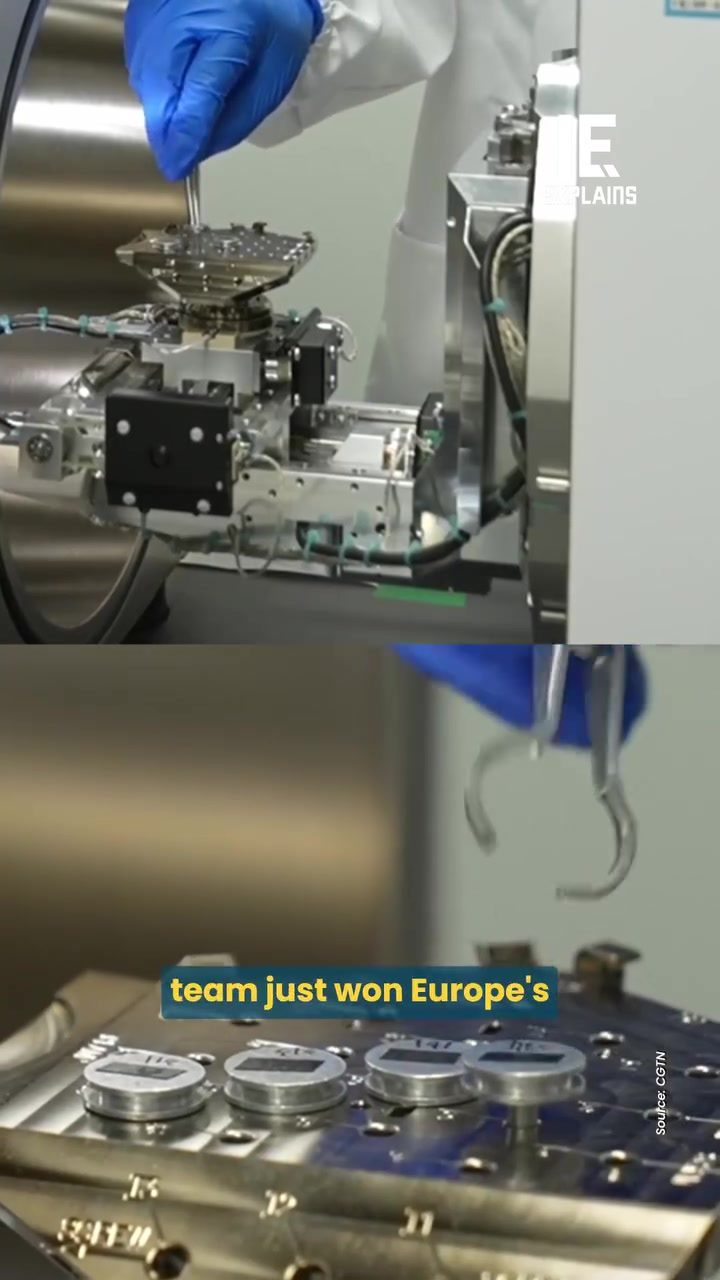
Directional Recycling Technology: A Revolution in Battery Recycling
Directional Recycling Technology (DRT), developed by Brump Recycling, a subsidiary of the battery giant CATL, is a groundbreaking method that promises to revolutionize the way we recycle batteries. This innovative process has recently garnered significant attention by winning Europe's top invention prize, highlighting its potential to significantly impact the battery recycling industry.
Why This Matters
As the demand for batteries, particularly for electric vehicles (EVs) and energy storage systems, continues to rise, so does the need for efficient and sustainable recycling solutions. Traditional battery recycling methods involve breaking down batteries into basic chemicals, which are then used to rebuild new batteries from scratch. This process is not only energy-intensive but also results in significant waste and environmental impact. DRT offers a cleaner, more efficient alternative that addresses these challenges.
Main Discussion
The Innovation Behind DRT
DRT stands out because it keeps the cathode material's structure intact during the recycling process. This means that the valuable metals—nickel, cobalt, manganese, and lithium—can be recovered and reused with minimal processing. This approach ensures that 99.6% of nickel, cobalt, and manganese, along with 96.5% of lithium, are recovered and are pure enough to be used in new batteries. This level of efficiency is a significant improvement over traditional methods, which often result in lower recovery rates and more waste.
Environmental Benefits
One of the most compelling aspects of DRT is its environmental impact. Traditional recycling methods involve the use of large amounts of acid and alkali, which contribute to significant waste and pollution. DRT reduces the use of these chemicals by 73%, making it a much cleaner process. Additionally, the carbon footprint of recycled cathodes produced using DRT is 61% smaller than those made using traditional methods. This reduction in environmental impact is crucial as the world moves towards more sustainable practices.
Handling Large Volumes of Battery Waste
The battery recycling machine used in DRT is designed to handle a large volume of battery waste, capable of processing up to a million tonnes of material. This scalability is essential for meeting the growing demand for battery recycling. As the use of batteries continues to increase, particularly in the EV sector, efficient and scalable recycling solutions will be critical for managing waste and conserving resources.
The Future of Battery Recycling
The potential of DRT extends beyond current applications. As the technology advances, it could become the standard for battery recycling, not only in the EV sector but also in consumer electronics and other industries. The ability to recover almost every gram of metal from dead batteries and reuse it in new batteries could lead to a more circular economy, where waste is minimized, and resources are conserved.
Potential Challenges and Considerations
While DRT offers numerous benefits, there are also challenges and considerations to keep in mind. The initial cost of implementing this technology and the infrastructure required to support it could be significant. Additionally, the long-term durability and performance of batteries made from recycled materials need to be thoroughly tested. However, the potential benefits of DRT in terms of environmental impact and resource conservation make it a promising area for further development and investment.
Practical Tips
If you are involved in the battery industry or looking to adopt more sustainable practices, consider the following tips:
-
Evaluate Existing Recycling Methods: Assess the current recycling methods used in your operations and identify areas where DRT could provide improvements.
-
Invest in Scalable Solutions: Look for recycling solutions that can handle large volumes of battery waste, ensuring that your operations can keep up with demand.
-
Focus on Environmental Impact: Consider the environmental benefits of different recycling methods, including the reduction of chemical use and the carbon footprint of recycled materials.
-
Stay Informed: Keep up with the latest developments in battery recycling technology, as the field is rapidly evolving.
-
Engage with Industry Experts: Collaborate with industry experts and organizations like Brump Recycling and CATL to stay at the forefront of innovation.
Important Takeaways
Battery recycling is a critical aspect of sustainable resource management. DRT offers a revolutionary approach that improves the efficiency and environmental impact of battery recycling. By keeping the cathode material structure intact, DRT ensures higher recovery rates of valuable metals and reduces the use of harmful chemicals. The scalability of DRT makes it suitable for handling large volumes of battery waste, which is essential for meeting growing demand. As the technology continues to develop, it has the potential to become the standard for battery recycling across various industries.
Conclusion
The introduction of Directional Recycling Technology by Brump Recycling represents a significant advancement in battery recycling. This innovative process not only improves the efficiency of recycling but also reduces its environmental impact. As the demand for batteries continues to rise, adopting sustainable and efficient recycling methods like DRT will be crucial for managing waste and conserving resources. By staying informed and investing in scalable, eco-friendly solutions, the battery industry can move towards a more sustainable future.
Watch the Reel
Questions readers ask
What is Directional Recycling Technology (DRT) and who developed it?
Directional Recycling Technology (DRT) is an advanced method for recycling batteries by recovering nearly all valuable metals. Developed by CATL’s subsidiary, Brump Recycling, it aims to significantly improve the efficiency and sustainability of battery recycling.
How does DRT differ from traditional battery recycling methods?
Unlike traditional methods that break down batteries into basic chemicals, DRT offers a more direct approach. It recovers valuable metals more efficiently, reduces chemical usage, and minimizes the carbon footprint of the recycling process.
What makes DRT a significant advancement in electric vehicle (EV) battery recycling?
DRT addresses the growing demand for efficient and sustainable recycling solutions for EV batteries. By recovering nearly all valuable metals, it reduces the need for new mining and lessens the environmental impact of battery disposal.
Why is the carbon footprint reduced in DRT?
The carbon footprint is reduced in DRT due to the process's efficiency. By recovering nearly all valuable metals and reducing chemical usage, the overall energy consumption and emissions associated with recycling are significantly lowered.
What are the benefits of using DRT for energy storage battery recycling?
DRT offers a cleaner, more sustainable solution for recycling energy storage batteries. It minimizes waste, recovers valuable metals, and supports the circular economy by reusing materials in new batteries and other applications.
What recognition has DRT received?
DRT has received significant recognition, including winning Europe's top invention prize. This accolade underscores the technology's potential to transform the battery recycling industry and address the growing need for sustainable solutions.
How does DRT contribute to the recycling of battery metals?
DRT excels in metal recovery from batteries by targeting specific valuable metals, such as lithium, cobalt, and nickel. This targeted approach ensures that a higher percentage of these metals are recovered and reused, reducing the demand for newly mined materials.
Related deep dives
Similar reads based on topic and creator.


Recent articles
Fresh deep dives from the latest Reels we unpacked.




Comments
Be the first to comment.