Bananas: A Delicious Fruit and the Unique Relationship with Humans and Monkeys
Bananas are a staple in diets around the world, with billions consumed annually. They are not only a favorite among humans but also famously associated with monkeys in popular culture. However, the reality of banana consumption by monkeys and humans is quite different from the common stereotypes.
Understanding the Banana Diet
Bananas are a versatile fruit that offers a range of health benefits. They are rich in essential nutrients like potassium, vitamin C, and dietary fiber. This makes them a popular choice for many people, contributing to their high consumption rates. Bananas are also easy to transport and store, making them a convenient snack option in various settings.
The Misconception of Monkey's Diet
In popular culture, monkeys are often depicted as constantly eating bananas. This stereotype is prevalent in movies, cartoons, and even in zoos. However, this portrayal is far from accurate. In the wild, monkeys have a diverse diet. They consume a variety of foods, including leaves, seeds, flowers, and insects, depending on their species and habitat. Bananas are just a small part of their diet, not the primary food source as depicted in popular media.
Human vs. Monkey Banana Consumption
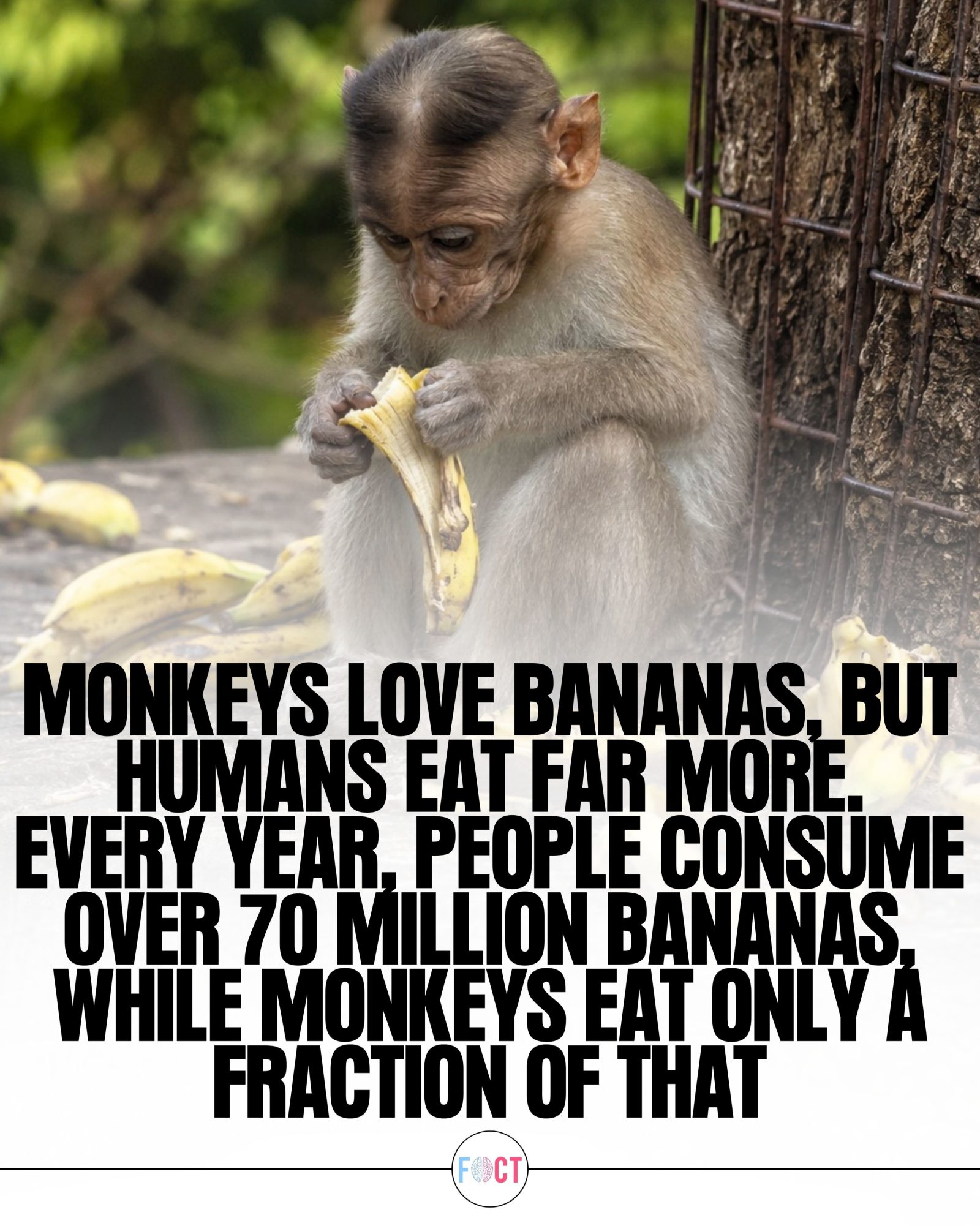
The truth is that humans consume far more bananas than monkeys. Every year, people around the globe consume over 70 million bananas. This staggering number highlights the significant role bananas play in human diets. On the other hand, monkeys eat only a fraction of that amount. This disparity underscores the importance of bananas in human nutrition and the misconception about monkeys' diet.
Why Do Humans Love Bananas?
Bananas are loved by humans for several reasons. They are:
- Nutritious: Bananas are packed with essential nutrients that support overall health. They are a good source of vitamin B6, vitamin C, and potassium, which are crucial for maintaining energy levels and supporting the immune system.
- Convenient: Bananas are easy to peel and eat on the go, making them a popular choice for snacking.
- Versatile: Bananas can be eaten raw, cooked, or used in a variety of recipes, from smoothies to banana bread.
- Affordable: Bananas are generally inexpensive, making them accessible to people from all walks of life.
The Ecological Impact of Banana Consumption
The high consumption of bananas by humans has significant ecological implications. The demand for bananas has led to extensive banana plantations, which can have negative impacts on the environment. These plantations often require large amounts of land, water, and pesticides, contributing to deforestation, soil degradation, and water pollution.
Additionally, the banana industry is dominated by a few varieties, such as the Cavendish banana, which are genetically uniform. This lack of genetic diversity makes banana crops vulnerable to diseases and pests, posing a threat to global banana production. Diseases like Panama disease, for example, have devastated banana crops in the past and continue to pose a risk to the industry.
Practical Tips for Banana Consumption
If you enjoy eating bananas, consider the following tips to make the most of this delicious fruit:
- Choose Ripe Bananas: Ripe bananas are sweeter and easier to digest. They also have a softer texture, making them easier to peel and eat.
- Store Properly: Bananas should be stored at room temperature. If you want to slow down the ripening process, you can place them in the refrigerator. However, keep in mind that refrigeration can cause the peel to turn black, which is normal and does not affect the fruit inside.
- Use in Recipes: Bananas can be used in a variety of recipes, from smoothies to banana bread. Get creative and experiment with different banana-based dishes.
The Future of Banana Consumption
The future of banana consumption is uncertain, given the environmental challenges and the vulnerability of banana crops to diseases. However, ongoing research and innovative farming practices are looking into sustainable ways to produce bananas. This includes developing disease-resistant varieties, promoting biodiversity, and adopting eco-friendly farming methods.
Important Takeaways
There are several key points to remember about banana consumption and its relationship with humans and monkeys:
- Bananas are one of the most popular fruits in the world, and billions are consumed annually.
- Monkeys, contrary to popular belief, do not primarily eat bananas. Their diet in the wild is diverse and includes various plants and insects.
- Humans consume far more bananas than monkeys, highlighting the significance of bananas in human diets.
- The high consumption of bananas has ecological implications, including deforestation, soil degradation, and water pollution.
- Sustainable farming practices and disease-resistant varieties are essential for the future of banana production.
Conclusion
Bananas are a delicious and nutritious fruit that plays a significant role in human diets. However, the stereotype of monkeys constantly eating bananas is far from the truth. Understanding the actual dietary habits of monkeys and the impact of banana consumption on the environment can help us appreciate this fruit even more. So, the next time you enjoy a banana, remember the fascinating relationship between humans, monkeys, and this beloved fruit.
Watch the Reel
Questions readers ask
How many bananas are consumed globally each year?
While exact numbers can vary, it is estimated that over 150 billion bananas are consumed worldwide annually. This makes them one of the most consumed fruits globally, highlighting their popularity and significance in human diets.
What are the primary health benefits of eating bananas?
Bananas are packed with essential nutrients. A single medium-sized banana provides about 422 milligrams of potassium, which is vital for heart health. They also offer vitamin C, dietary fiber, and around 105 calories, contributing to overall well-being. Bananas are also known for their convenient portability and ease of consumption.
Why is the image of monkeys primarily eating bananas inaccurate?
While monkeys do consume bananas, it is not their primary food source. In reality, monkeys have a diverse diet that includes a variety of fruits, leaves, and insects. The misconception arises from popular culture and media portrayals, which often exaggerate this aspect of their diet.
How do bananas compare to apples in terms of nutritional content?
Both bananas and apples offer unique nutritional benefits. Bananas are higher in potassium and calories, with a medium banana providing about 105 calories and 422 milligrams of potassium. In contrast, a medium apple has around 95 calories and 195 milligrams of potassium. However, apples are higher in vitamin C and have a lower sugar content, making each fruit a valuable addition to a balanced diet.
Are there any downsides to eating bananas daily?
While bananas offer numerous health benefits, consuming them daily in excess can lead to some drawbacks. Bananas are high in natural sugars, so overconsumption can contribute to weight gain and increased blood sugar levels. Additionally, the high potassium content, while generally beneficial, can be problematic for individuals with kidney issues, as it may disrupt electrolyte balance.
How does the banana consumption of humans differ from that of monkeys?
Humans consume bananas as a primary fruit, often enjoying them as a snack or part of a meal. In contrast, while monkeys do eat bananas, they are just one part of a varied diet that includes many other fruits, vegetables, and insects. Additionally, humans have cultivated bananas to be sweeter and more palatable, which is not a factor in the wild bananas consumed by monkeys.
What makes bananas a popular fruit for consumption worldwide?
Bananas' popularity can be attributed to their convenience, versatility, and nutritional content. They are easy to peel and eat, can be transported and stored without refrigeration, and are available year-round in many regions. Furthermore, their sweet taste and numerous health benefits make them a favored fruit globally.
Related deep dives
Similar reads based on topic and creator.


Recent articles
Fresh deep dives from the latest Reels we unpacked.




Comments
Be the first to comment.