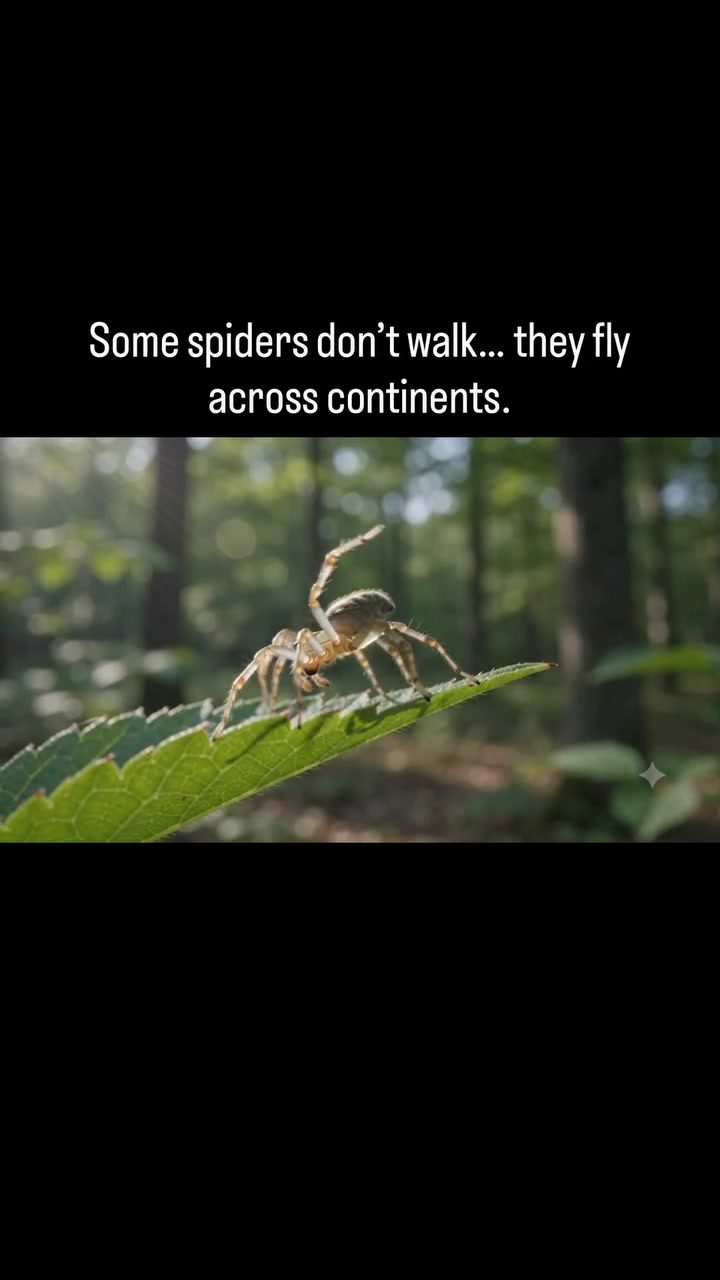
Ballooning Spiders
Ballooning spiders, also known as "flying spiders", are a fascinating phenomenon in the animal kingdom. While the term "flying spiders" might evoke images of arachnids soaring through the sky, the reality is more nuanced and scientifically intriguing. These spiders don't possess wings and do not actively control their flight. Instead, they use a remarkable technique called ballooning to traverse great distances.
Why This Matters
Understanding ballooning spiders provides insights into the incredible adaptability and survival strategies of these tiny creatures. Their ability to harness natural forces for long-distance travel has significant implications for ecological dispersal and the spread of species. This phenomenon is not only a testament to the wonders of nature but also a crucial aspect of ecosystems.
Main Discussion
The Mechanics of Ballooning
Ballooning spiders release thin silk threads that act as natural sails. These threads interact with wind currents, allowing the spiders to lift off and float through the air. The process is passive, meaning the spiders do not actively control their direction but are instead carried by the wind.
Wind Currents and Electric Fields
The silk strands used by ballooning spiders are not just passive parachutes; they actively interact with wind currents and even Earth's electric field. The electric field can provide an additional lift, helping the spiders ascend to higher altitudes and travel even further.
Long-Distance Travel
While most ballooning spiders travel only short distances, some have been documented to be carried across continents and oceans. This is due to strong air currents that can lift these tiny travelers to great heights and transport them over vast expanses of water and land. These long-distance dispersal events are crucial for the spread of spider populations and the colonization of new habitats.
Scientific Evidence
Scientists have collected spiders far out at sea and even high in the atmosphere, confirming that ballooning spiders can indeed travel extremely long distances. These findings support the idea that ballooning is a significant mechanism for the global dispersal of spider species.
Practical Tips
For those interested in observing ballooning spiders, here are a few practical tips:
Best Times and Places
The best time to observe ballooning spiders is during the late summer and early fall when many species engage in this behavior. Look for them in open fields, on tall grasses, or near bodies of water where wind currents are strong and consistent.
Equipment
A pair of binoculars or a macro lens camera can be useful for getting a closer look at these tiny travelers. Pay attention to the silk threads and how they interact with the wind and electric field.
Safety
While ballooning spiders are harmless to humans, always be cautious when observing wildlife. Avoid disturbing their habitats and ensure you have the necessary permits if you plan to collect or study them.
Important Takeaways
Ballooning spiders are a remarkable example of how small creatures can harness natural forces for long-distance travel. Their ability to interact with wind currents and Earth's electric field allows them to disperse across vast distances, playing a crucial role in ecological dispersal. Understanding this phenomenon provides valuable insights into the interconnectedness of ecosystems and the fascinating adaptability of spiders.
Conclusion
The phenomenon of ballooning spiders is a testament to the wonders of nature and the incredible survival strategies of these tiny creatures. By harnessing wind currents and electric fields, they can travel long distances, contributing to the dispersal of species and the colonization of new habitats. Whether you are a nature enthusiast or a scientist, observing and understanding ballooning spiders offers a deeper appreciation for the complexity and beauty of the natural world.
Watch the Reel
Questions readers ask
How do ballooning spiders travel such long distances without wings?
Ballooning spiders use a technique called ballooning, where they release strands of silk into the air. These silk threads catch the wind, allowing the spiders to be carried away and travel long distances. This method is particularly effective for young spiders looking to disperse and find new habitats.
What is the purpose of ballooning for spiders?
Ballooning serves several purposes for spiders, including dispersal to new habitats, escaping unfavorable conditions, and colonizing remote or isolated areas. This ability allows spiders to expand their range and find better resources, such as food and mates.
Can all spiders use this flying method?
Not all spiders can balloon; this ability is more common among smaller spiders, especially juveniles. Many species of spiders, including those from the families Linyphiidae, Araneidae, and Salticidae, are known to use ballooning as a means of dispersal.
How do spiders control their movement while ballooning?
Spiders do not actively control their flight but instead rely on wind currents to carry them. They can influence their takeoff by climbing to a high point and releasing silk threads. Once airborne, their movement is dictated by the wind, and they cannot steer or navigate actively.
What role does silk play in the ballooning process?
Silk is crucial for ballooning spiders. They produce extremely fine silk threads that are lightweight and can catch even the slightest breeze. These threads act as a parachute, allowing the spiders to float and travel distances that would otherwise be impossible for them to cover on the ground.
How do spiders decide when to balloon?
Spiders may decide to balloon based on various environmental cues, such as changes in weather, overcrowding in their current habitat, or the presence of predators. Additionally, younger spiders are more likely to balloon as a means of dispersing from their birthplace to find new territories.
Related deep dives
Similar reads based on topic and creator.



Recent articles
Fresh deep dives from the latest Reels we unpacked.

Comments
Be the first to comment.