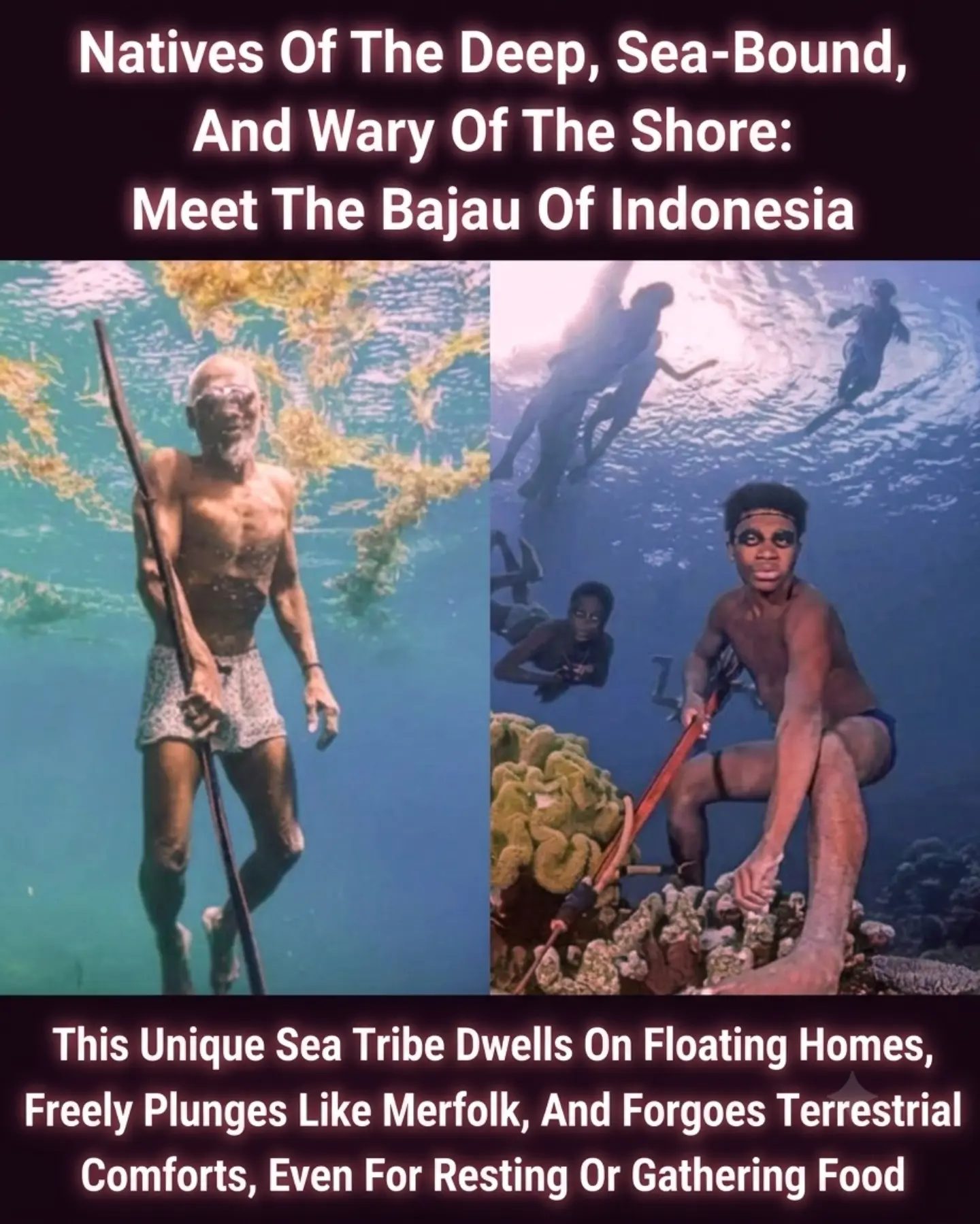
Meet the Bajau: The Sea Gypsies of Indonesia
The Bajau, also known as "Sea Gypsies," are a unique community from Indonesia who have spent centuries living almost entirely at sea. Their lifestyle is deeply intertwined with the ocean, and their bodies have adapted remarkably to deep-sea diving. This adaptation is not just cultural but also physiological, making the Bajau one of the most intriguing sea tribes in the world.
The Bajau: A Sea-Bound Culture
The Bajau are often referred to as 'sea nomads' and are known for their way of life that revolves around the ocean. They primarily live on boats and floating homes, which are either stilt houses built over coral reefs or traditional wooden houseboats. This nomadic lifestyle has allowed them to develop extraordinary diving skills and a deep connection to the sea.
Genetic Adaptations
The Bajau have evolved unique genetic adaptations that enable them to thrive in their marine environment. Scientific studies have revealed that they have genetically larger spleens than average humans. This adaptation allows their bodies to store more oxygen-rich red blood cells, enabling them to stay underwater for extended periods without modern diving gear. Their spleens can release oxygen-rich blood into circulation, providing a crucial advantage during long dives.
Master Divers
The diving capabilities of the Bajau are nothing short of extraordinary. They can comfortably dive to depths of over 200 feet (60+ meters) on a single breath of air. This remarkable feat is achieved without the use of scuba gear, relying instead on their natural ability to hold their breath for extended periods. Their mastery of free diving is a testament to their adaptation to a life bound to the ocean.
Natural Vision
The Bajau's eyes have evolved to see with incredible clarity underwater. This adaptation helps them spearfish with pinpoint accuracy, a skill that is essential for their survival. Their ability to navigate and hunt in the ocean is a result of centuries of living in harmony with the sea, making them one of the most adept fishermen in the world.
Life on the Water
The Bajau's connection to the ocean is so profound that their culture, food, and daily survival are entirely bound to the ocean currents. Living on floating homes means they are constantly rocked by ocean waves, which has led to a unique physiological response. Some Bajau actually report feeling dizzy or "land sick" when they step onto solid ground, further highlighting their deep-sea adaptation.
Floating Villages
Many Bajau live in stilt houses built over coral reefs or directly on traditional wooden houseboats. These floating villages are a testament to their unique way of life and their deep connection to the sea. The houses are designed to withstand the ocean's harsh conditions and provide a comfortable living space for the Bajau.
Land Sickness
The constant motion of the ocean has led to a unique physiological response in the Bajau. Many of them experience a form of vertigo or "land sickness" when they step onto solid ground. This condition is a result of their bodies adapting to the constant rocking of the ocean waves, making solid ground feel unstable.
Practical Tips for Understanding the Bajau
For those interested in learning more about the Bajau, here are some practical tips:
Research Their Culture
Understanding the cultural aspects of the Bajau is crucial. Their way of life is deeply rooted in tradition and passed down through generations. Learning about their customs, beliefs, and practices can provide valuable insights into their unique lifestyle.
Explore Their Diving Techniques
The diving techniques of the Bajau are a marvel to behold. They dive to great depths without any modern diving gear, relying solely on their natural abilities. Observing their diving techniques can offer a glimpse into their remarkable adaptations and skills.
Visit Their Villages
Visiting the floating villages of the Bajau can provide a firsthand experience of their way of life. These villages are a testament to their ingenuity and adaptability, showcasing their deep connection to the ocean.
Important Takeaways
The Bajau's way of life is a testament to human adaptability and resilience. Their genetic adaptations, diving skills, and deep connection to the sea make them one of the most intriguing sea tribes in the world. Understanding their lifestyle can offer valuable insights into the human body's remarkable ability to adapt to diverse environments.
The Bajau's story is not just about survival but also about harmony with nature. Their way of life is a reminder of the deep connection humans can have with the natural world, showcasing the beauty and complexity of human adaptation.
Conclusion
The Bajau people of Indonesia are a unique community who have spent centuries living on the water. Their genetic adaptations, diving skills, and deep connection to the sea make them one of the most intriguing sea tribes in the world. Understanding their way of life offers valuable insights into human adaptability and resilience, highlighting the beauty and complexity of our connection to the natural world.
Watch the Reel
Questions readers ask
Who are the Bajau and why are they called 'Sea Gypsies'?
The Bajau are an Indonesian community known for their nomadic lifestyle at sea. They are called 'Sea Gypsies' because they spend most of their lives on boats and floating homes, moving along the coasts and relying on the ocean for sustenance and livelihood.
What are some of the unique physical adaptations of the Bajau?
The Bajau have developed unique physical traits due to their deep-sea diving lifestyle, including larger spleens that can store more oxygen, and enhanced underwater vision. These adaptations make them exceptional free divers and allow them to stay underwater longer than average people.
What kinds of homes do the Bajau live in?
The Bajau primarily live on boats and floating homes, often referred to as 'stilt houses' that are built over coral reefs or traditional wooden houseboats. These homes allow them to stay close to the ocean and move as needed, maintaining their nomadic lifestyle.
What is the significance of diving in Bajau culture?
Diving is a fundamental part of Bajau culture and life. Their extraordinary diving skills are essential for their livelihood, allowing them to gather food, such as fish and seaweed and collect resources from the sea like pearls and shells, which they can sell for additional income.
Where are the Bajau people primarily found?
The Bajau people are primarily found in Indonesia, with some communities also present in neighboring countries like Malaysia and the Philippines. They typically inhabit coastal areas, as they rely on the ocean for their daily needs and livelihood.
How do the Bajau's lifestyle and living conditions impact their everyday life?
The Bajau’s sea-bound lifestyle means they have developed strong swimming and diving skills, and a deep understanding of marine life. Their daily life revolves around the ocean, with activities that include fishing, diving for seafood and resources, and maintaining their sailing vessels. They also have a unique culture, traditions, and language that reflect their maritime existence.
Do the Bajau people have a formal written language?
The Bajau have over 30 dialects, but the language itself does not have a formal written language. The Bajau tradition is largely oral, with stories, histories, and knowledge passed down through generations by word of mouth. However, some scholars are working to document and preserve the Bajau language and culture.
Related deep dives
Similar reads based on topic and creator.




Recent articles
Fresh deep dives from the latest Reels we unpacked.




Comments
Be the first to comment.