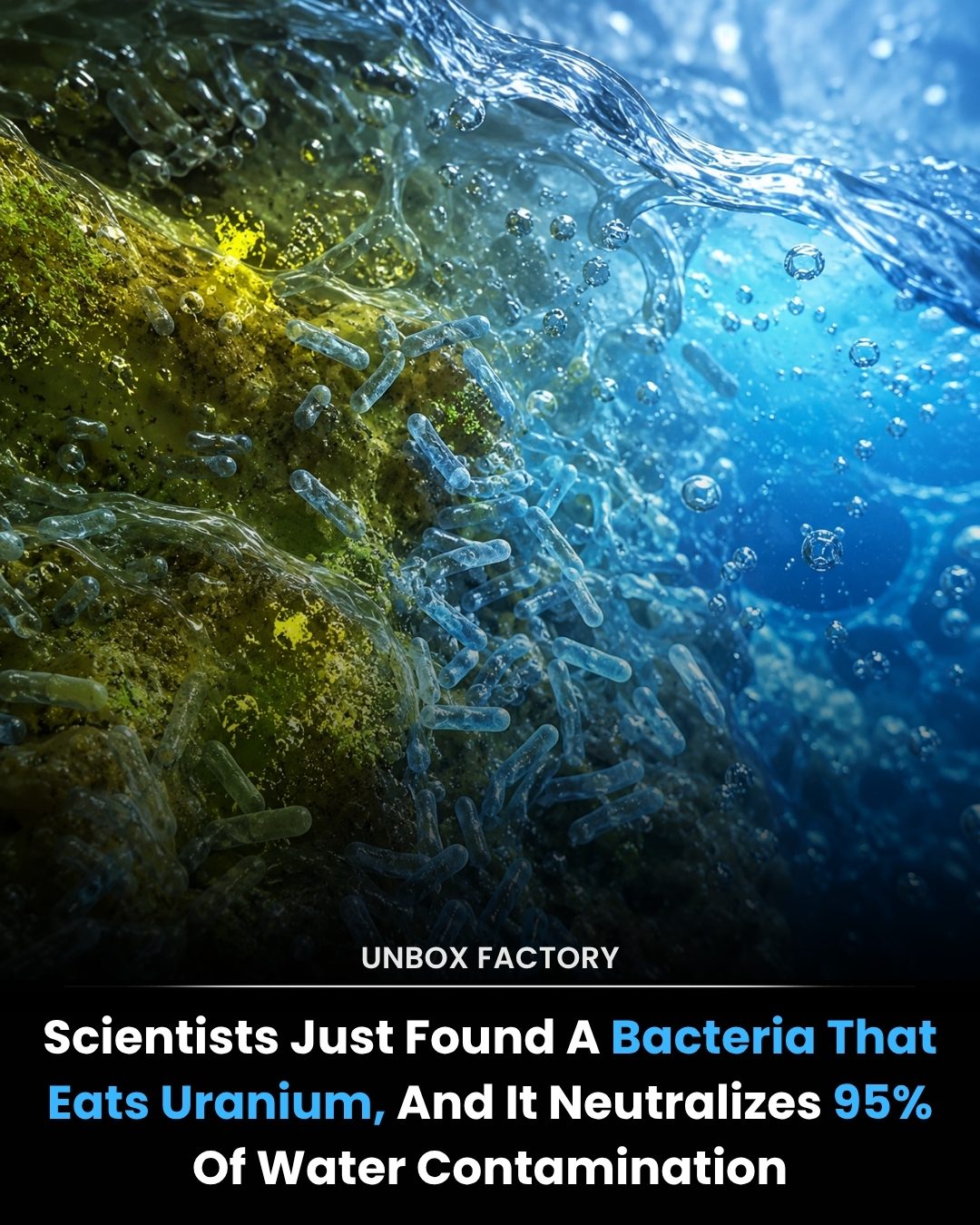
Bacteria Neutralizes Water Contamination
Uranium contamination is a significant environmental concern, affecting water resources in multiple countries. Traditional cleanup methods can be costly and environmentally damaging. However, recent scientific discoveries offer a promising alternative: bacteria that can neutralize uranium contamination.
Context/Why This Matters
Uranium contamination poses serious risks to both human health and the environment. It can leach into groundwater from sources like abandoned uranium mines, nuclear facilities, and industrial waste areas. Traditional cleanup methods often involve chemical treatments that can be expensive and further damage the ecosystem.
The discovery of bacteria that can immobilize dissolved uranium offers a safer and more cost-effective solution. This biological remediation technique could revolutionize how we address uranium contamination, making cleanup efforts more sustainable and efficient.
Main Discussion
The Discovery
Scientists have identified naturally occurring bacteria capable of transforming dissolved uranium into an insoluble mineral form. This process effectively removes up to 95% of uranium contamination from water during laboratory testing. Instead of destroying the uranium, these microbes immobilize it, preventing it from spreading through groundwater.
How It Works
The bacteria essentially convert dissolved uranium into a solid form that cannot easily move through water. This immobilization prevents uranium from contaminating groundwater, thereby protecting water resources. The process is not only effective but also environmentally friendly, as it relies on natural microbial activity rather than harsh chemicals.
Potential Applications
This discovery has far-reaching implications for environmental remediation. Areas near abandoned uranium mines, nuclear facilities, and industrial waste sites could benefit significantly from this biological remediation technique. By using bacteria to neutralize uranium contamination, cleanup efforts could be more sustainable and cost-effective.
Environmental Impact
Biological remediation offers several environmental benefits. It reduces the need for chemical treatments, which can be harmful to ecosystems. Additionally, it provides a more sustainable solution for long-term environmental management. This approach could dramatically reduce cleanup costs compared with conventional chemical treatment technologies, making it a viable option for addressing uranium contamination on a global scale.
Practical Tips
If you're involved in environmental remediation or interested in sustainable practices, here are some practical tips to consider:
1. Stay Informed
Keep up-to-date with the latest research on biological remediation techniques. Science is continually evolving, and new discoveries could provide even more effective solutions for environmental challenges.
2. Collaborate with Experts
Work with environmental scientists and microbiologists to understand how these bacteria can be applied in different settings. Collaboration is key to developing practical applications for this discovery.
3. Promote Research
Support research initiatives focused on biological remediation. Increased funding and resources can accelerate the development of new technologies and techniques for environmental cleanup.
4. Implement Sustainable Practices
Incorporate biological remediation techniques into environmental management plans. This can help create a more sustainable and cost-effective approach to environmental cleanup.
Important Takeaways
The discovery of bacteria that can neutralize uranium contamination is a significant breakthrough in environmental science. This biological remediation technique offers a safer, more sustainable, and cost-effective solution for addressing uranium contamination in water resources.
By immobilizing uranium, these bacteria prevent it from spreading through groundwater, protecting water resources and reducing the need for harmful chemical treatments. This discovery paves the way for more sustainable environmental management practices, potentially revolutionizing how we approach cleanup efforts in contaminated areas.
Conclusion
Uranium contamination is a pressing environmental issue that requires innovative solutions. The discovery of bacteria that can neutralize uranium contamination offers a promising alternative to traditional cleanup methods. By leveraging natural microbial activity, we can create more sustainable and cost-effective solutions for environmental remediation. This breakthrough highlights the potential of biological remediation techniques and their role in protecting our water resources for future generations.
Watch the Reel
Questions readers ask
How do bacteria help in removing uranium contamination from water?
Bacteria can remove uranium from water by converting it into an insoluble form, effectively reducing its concentration in the water. This conversion process is sustainable and helps lower environmental and health hazards.
What percentage of uranium can bacteria remove from contaminated water?
Recent studies have shown that certain bacteria can remove up to 95% of uranium from contaminated water. This makes it a highly effective solution for uranium decontamination.
Are the bacteria used for uranium removal naturally occurring?
Yes, the bacteria used for uranium removal are naturally occurring. This makes them a sustainable and environmentally friendly solution for water decontamination, as they do not require the introduction of foreign substances.
How does bacterial treatment of uranium compare to traditional methods?
Bacterial treatment of uranium is often more cost-effective and less environmentally damaging than traditional cleanup methods, which can involve harsh chemicals. By using naturally occurring bacteria, this method can neutralize dissolved uranium without further harming the ecosystem.
Can bacteria be used to treat uranium contamination in groundwater?
Yes, bacteria can be used to treat uranium contamination in groundwater. This is particularly useful in scenarios where uranium has leached from sources like abandoned mines or nuclear facilities, as it can effectively remove dissolved uranium from the affected water.
What form does uranium take after bacteria have treated it?
After bacterial treatment, uranium is converted into an insoluble form. This makes it unable to dissolve in water, thereby preventing it from spreading further contamination and making the water safer for use.
Are there specific types of bacteria used for uranium water purification?
While the article does not specify particular bacterial species, various types of bacteria have been identified for their ability to dissolve and convert uranium into an insoluble form. Research is ongoing to identify and utilize the most effective strains for this purpose.
Related deep dives
Similar reads based on topic and creator.




Recent articles
Fresh deep dives from the latest Reels we unpacked.




Comments
Be the first to comment.