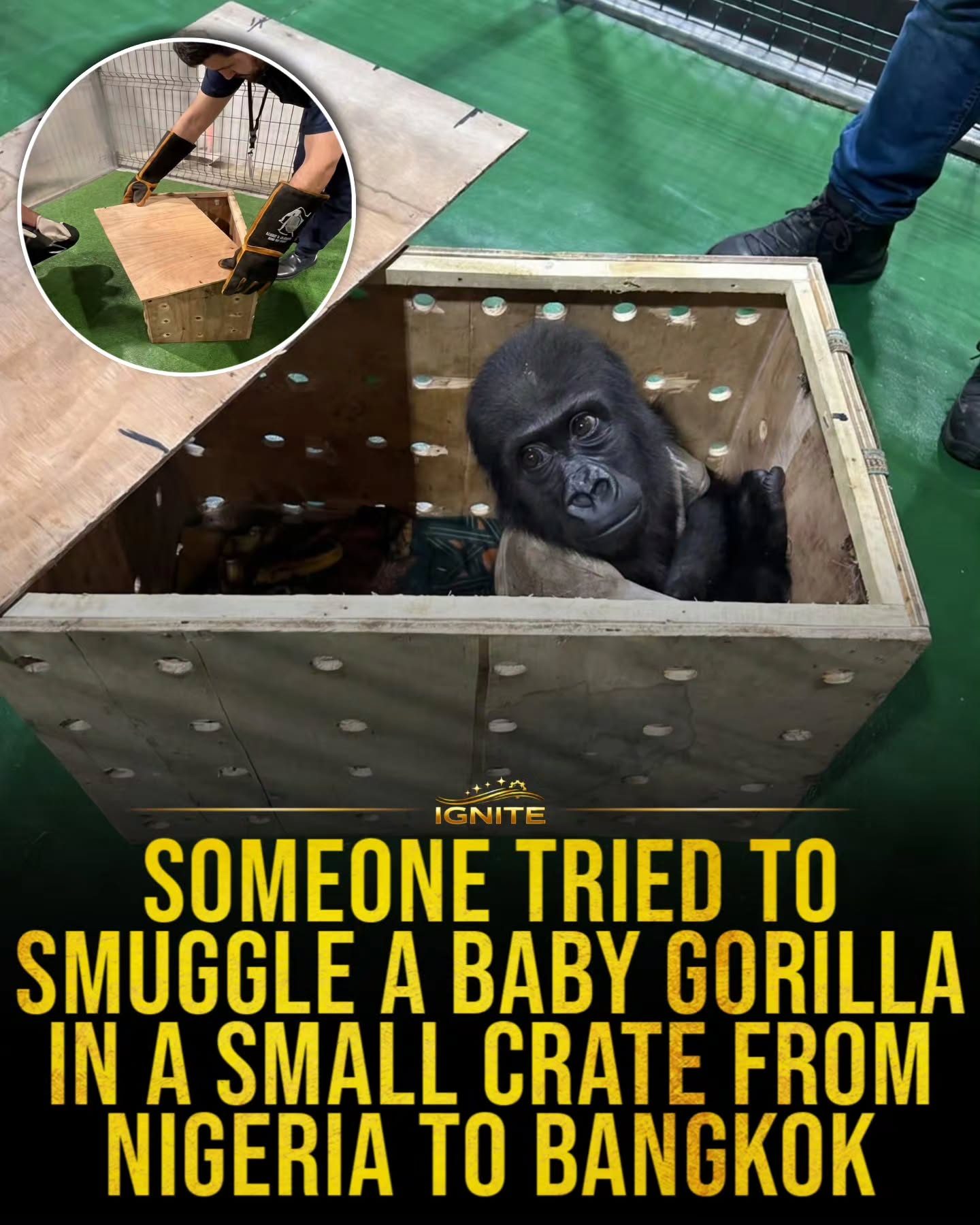
Baby Gorilla Smuggling Attempt
A baby gorilla was discovered inside a small wooden crate at Istanbul Airport. Turkish customs officials intercepted a cargo shipment traveling from Nigeria to Bangkok, revealing a grim attempt at illegal wildlife trafficking.
Why This Matters
The seizure of the endangered western gorilla highlights the ongoing battle against the illegal wildlife trade. This incident underscores the critical need for vigilant law enforcement and international cooperation to protect endangered species from exploitation.
The Incident
On this occasion, a small wooden crate containing a baby gorilla was intercepted at Istanbul Airport. The crate was part of a cargo shipment originating from Nigeria and destined for Bangkok. Turkish customs officials, acting swiftly, uncovered the illicit cargo during a routine inspection. The discovery was a critical intervention in a network of illegal wildlife trafficking.
This particular operation involved a western gorilla, a species that is already under significant threat. The gorilla was rescued during a wildlife protection operation and handed over to Turkey’s Ministry of Agriculture and Forestry for care. The immediate intervention was crucial for the gorilla's survival and wellbeing.
Main Discussion
The Route and Detection
The route from Nigeria to Bangkok via Istanbul is a common corridor for illegal wildlife shipments. Nigeria, with its rich biodiversity, is a hotspot for poaching and smuggling. The shipment’s destination, Bangkok, is known for its thriving black market, where endangered species are often sold to private collectors or wildlife traffickers.
Turkish customs officials play a pivotal role in intercepting such shipments. Their vigilance and training in identifying suspicious cargo are essential in dismantling these criminal networks. The interceptor's quick response in this incident was critical in preventing the gorilla from being sold into the illegal wildlife trade.
The Illegal Wildlife Trade
The illegal wildlife trade is a multi-billion-dollar industry that threatens the survival of many endangered species. Gorillas, elephants, tigers, and rhinos are among the most targeted animals. The trade is driven by demand for exotic pets, traditional medicines, and trophies, contributing to the rapid decline of these species in the wild.
International treaties and conventions, such as the Convention on International Trade in Endangered Species of Wild Fauna and Flora (CITES), aim to regulate and restrict the trade in endangered species. However, enforcement remains a significant challenge due to the vast networks and sophisticated methods used by traffickers.
The Role of Airports and Customs Officials
Airports like Istanbul serve as crucial gateways for both legitimate and illicit trade. Customs officials are often the first line of defense against illegal activities. Their training and expertise in detecting and intercepting suspicious cargo are vital in safeguarding endangered species.
In this case, the customs officials' keen observation and prompt action were instrumental in uncovering the smuggling attempt. Their efforts not only saved the gorilla but also disrupted a potential trafficking network.
Practical Tips for Travelers and Consumers
Recognizing Suspicious Activity
Travelers and consumers can play a crucial role in combating the illegal wildlife trade. Being aware of the signs of illegal wildlife trafficking can help in reporting suspicious activities. Look out for:
- Unusual cargo shipments: Packages or crates that seem out of place or are being transported in unusual ways.
- Exotic animals: Any animal being transported in a way that suggests it is being smuggled (e.g., hidden in luggage, small crates, etc.)
Reporting Suspicious Activities
If you suspect that you have encountered illegal wildlife trafficking, it is crucial to report it to local authorities. Here are some steps you can take:
- Contact local law enforcement: Provide details about the suspicious activity, including the location, time, and any relevant information about the cargo or individuals involved.
- Use hotlines and online reporting tools: Many countries have dedicated hotlines and online reporting tools for reporting wildlife crimes. For example, the World Wildlife Fund (WWF) provides a reporting tool for wildlife crime.
Supporting Conservation Efforts
Consumers can also support conservation efforts by making responsible purchasing decisions. Avoid purchasing products made from endangered species or that support illegal wildlife trade. Support businesses and organizations that promote sustainable practices and conservation efforts.
Important Takeaways
- Illegal wildlife trade is a serious global issue: The attempted smuggling of a baby gorilla from Nigeria to Bangkok is a stark reminder of the ongoing threat to endangered species.
- Vigilant law enforcement is crucial: The efforts of customs officials in intercepting the shipment highlight the importance of trained and vigilant law enforcement in combating illegal wildlife trade.
- Public awareness and reporting are essential: Travelers and consumers can play a vital role in helping authorities by recognizing and reporting suspicious activities.
Conclusion
The discovery of the baby gorilla in a small wooden crate at Istanbul Airport is a stark reminder of the dangers wildlife face from illegal trafficking. This incident underscores the critical need for vigilant law enforcement, international cooperation, and public awareness in protecting endangered species. By working together, we can help safeguard these precious animals and disrupt the networks that threaten their survival.
Watch the Reel
Questions readers ask
What should I do if I suspect wildlife trafficking?
If you suspect wildlife trafficking, contact local law enforcement or wildlife authorities immediately. Provide them with as many details as possible, including the location, description of the suspect activity, and any relevant information about the animals involved. Your vigilance can help prevent more incidents like the baby gorilla found in the smuggled crate at Istanbul Airport.
How do international customs officials work together to combat wildlife trafficking?
International customs officials cooperate through various agreements and networks, such as Interpol and the World Customs Organization, to share intelligence and coordinate seizures. For instance, Turkish customs officials intercepted the smuggled baby gorilla crate at Istanbul Airport, highlighting the importance of this international cooperation in combating wildlife crime.
Where did the baby gorilla in the crate originate from, and where was it headed?
The baby gorilla found in the crated shipment originated from Nigeria and was headed to Bangkok. This route underscores the global nature of wildlife trafficking, with endangered species often smuggled across international borders.
What type of gorilla was found in the smuggled crate at Istanbul Airport?
The gorilla found in the crate was a western gorilla, a critically endangered species native to the forests of West Africa. This incident highlights the urgent need for increased protection and prevention of wildlife crime to safeguard these species.
How can I support efforts to protect endangered species?
You can support efforts to protect endangered species by raising awareness about wildlife trafficking, donating to reputable wildlife conservation organizations, and advocating for stronger laws and enforcement against wildlife crime. Every action, no matter how small, can contribute to the global effort against wildlife trafficking.
What role do law enforcement agencies play in preventing wildlife trafficking?
Law enforcement agencies are crucial in preventing wildlife trafficking by intercepting illegal shipments, investigating and prosecuting offenders, and collaborating with international partners. The baby gorilla rescue at Istanbul Airport is a testament to the effectiveness of vigilant law enforcement in protecting endangered species and disrupting wildlife trafficking networks.
What are the penalties for wildlife trafficking?
Penalties for wildlife trafficking vary by country but can include significant fines, imprisonment, and the confiscation of property. Some nations have enacted strict laws to combat wildlife crime, reflecting an international commitment to protecting endangered species. It is crucial to support and promote these legal efforts.
Related deep dives
Similar reads based on topic and creator.
Recent articles
Fresh deep dives from the latest Reels we unpacked.




Comments
Be the first to comment.