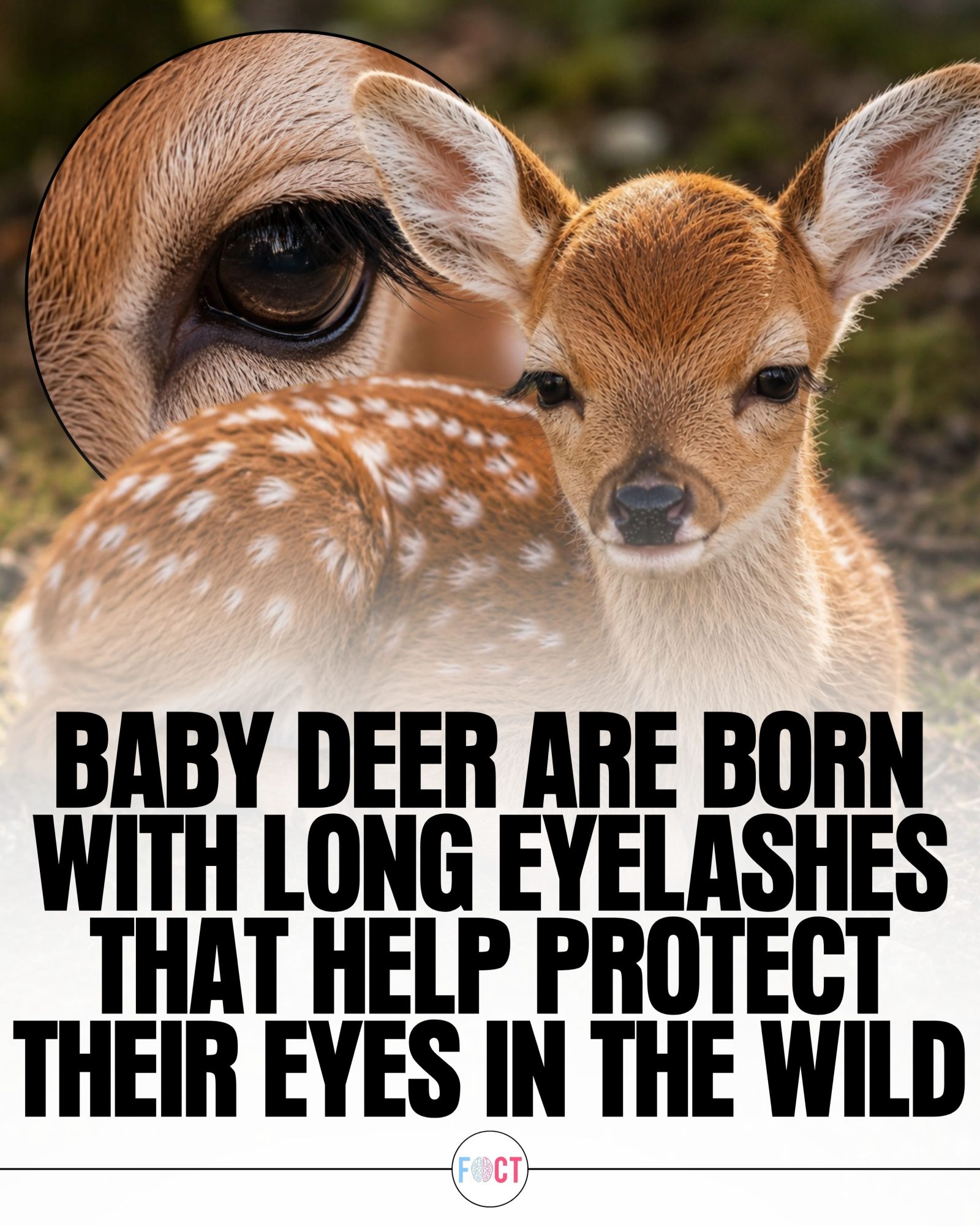
Baby Deer and Their Remarkable Eyelashes
Baby deer, with their notably long eyelashes, are more than just adorable—they also possess a unique survival advantage. These eyelashes play a vital role in protecting their eyes in the wild, serving as both a shield and a sensor.
Why This Matters
Understanding the function of a newborn deer's eyelashes goes beyond mere curiosity. It offers insights into the adaptive mechanisms of wildlife, highlighting how even the smallest features can have significant survival benefits. For deer, who rely heavily on their sight to stay alert and navigate their environment, these long lashes are crucial.
The Benefits of Long Eyelashes
Protection from Environmental Hazards
Long eyelashes serve as a natural barrier against various environmental hazards. As baby deer move through dense woods and undergrowth, their eyelashes protect their eyes from dirt, bugs, brush, and grass. These lashes act as a first line of defense, shielding the eyes from potential damage and maintaining clear vision. This is particularly important for grazing species that spend a lot of time navigating through vegetation and other obstacles.
Sensory Function
Beyond physical protection, these eyelashes also function as touch sensors. When something comes into contact with the lashes, it triggers an automatic blink reflex. This reflex helps protect the eye from any potential harm, ensuring that the deer can continue to move safely through their environment. This dual function of protection and sensory input makes the lashes an essential evolutionary adaptation.
The Evolution of Eyelashes in Grazing Species
For many grazing species, long eyelashes have evolved as a defense mechanism. These species often inhabit environments full of plants, soil, and floating particles, making lengthy eyelashes a practical adaptation. The lashes help to keep the eyes clear and free from debris, allowing the animal to maintain sharp vision and stay alert to potential threats.
The "Sleepy" Look
The long eyelashes, paired with large eyes and loose facial muscles common in young mammals, give baby deer their characteristic "sleepy" look. Humans find this appearance endearing due to psychological reactions to infant-like features. This innate response is not just a matter of cuteness; it reflects a deep-seated appreciation for traits that signal vulnerability and the need for protection.
Practical Tips
Observation Tips
When observing wildlife, especially young deer, pay close attention to their eyelashes. Notice how they interact with their environment and how the lashes help them navigate through vegetation. This can provide a deeper understanding of the adaptive mechanisms at work in nature.
Conservation Awareness
Appreciating the intricate adaptations of wildlife can foster a greater sense of conservation awareness. Recognizing the importance of even the smallest features, like eyelashes, can highlight the complexity and fragility of natural ecosystems. This awareness can inspire efforts to protect and preserve these environments.
Important Takeaways
The long eyelashes of baby deer are not just a cute feature; they are a critical survival adaptation. These lashes provide essential protection from environmental hazards and act as sensory detectors, ensuring the deer can navigate their surroundings safely. Understanding these adaptations can enhance our appreciation for the complexity of wildlife and the delicate balance of natural ecosystems.
Conclusion
The remarkable eyelashes of baby deer serve a vital role in their survival and adaptation to their environment. From protecting their eyes to acting as sensory detectors, these lashes are a testament to the intricate design of nature. By appreciating these adaptations, we can gain a deeper understanding of the natural world and the importance of conservation efforts. The next time you spot a baby deer, take a moment to admire those long lashes and the remarkable role they play in the deer's life.
Watch the Reel
Questions readers ask
How do baby deer eyelashes protect them in the wild?
Baby deer eyelashes act as a physical barrier, shielding their eyes from potential irritants like dirt, insects, and vegetation. This protection is crucial for maintaining clear vision, which is essential for a fawn's survival in the wild.
What is the role of long eyelashes in newborn deer?
Long eyelashes in newborn deer serve multiple purposes: they protect the eyes from environmental hazards, and they function as touch sensors, triggering a protective blink reflex when touched, which helps safeguard their delicate eyes.
Why are baby deer eyelashes considered a defense mechanism?
Baby deer eyelashes are considered a defense mechanism because they help protect the fawn's eyes from potential harm, ensuring optimal vision, which is vital for their ability to navigate their surroundings and evade predators.
How do deer benefit from their long eyelashes as they grow?
As deer grow, their long eyelashes continue to protect their eyes, although they may become less prominent in comparison to their body size. However, they persist as a protective feature, maintaining a long-term role in eye protection.
What would happen if baby deer did not have long eyelashes?
If baby deer did not have long eyelashes, their eyes would be more susceptible to damage from environmental elements and potential irritants, which could impair their vision and overall survival chances.
Can other animals benefit from similar eyelash adaptations?
While long eyelashes are not unique to deer, the specific adaptations and benefits can vary greatly among species. Other animals, such as camels and some birds, also have long eyelashes that serve protective functions in their respective environments.
Related deep dives
Similar reads based on topic and creator.




Recent articles
Fresh deep dives from the latest Reels we unpacked.




Comments
Be the first to comment.