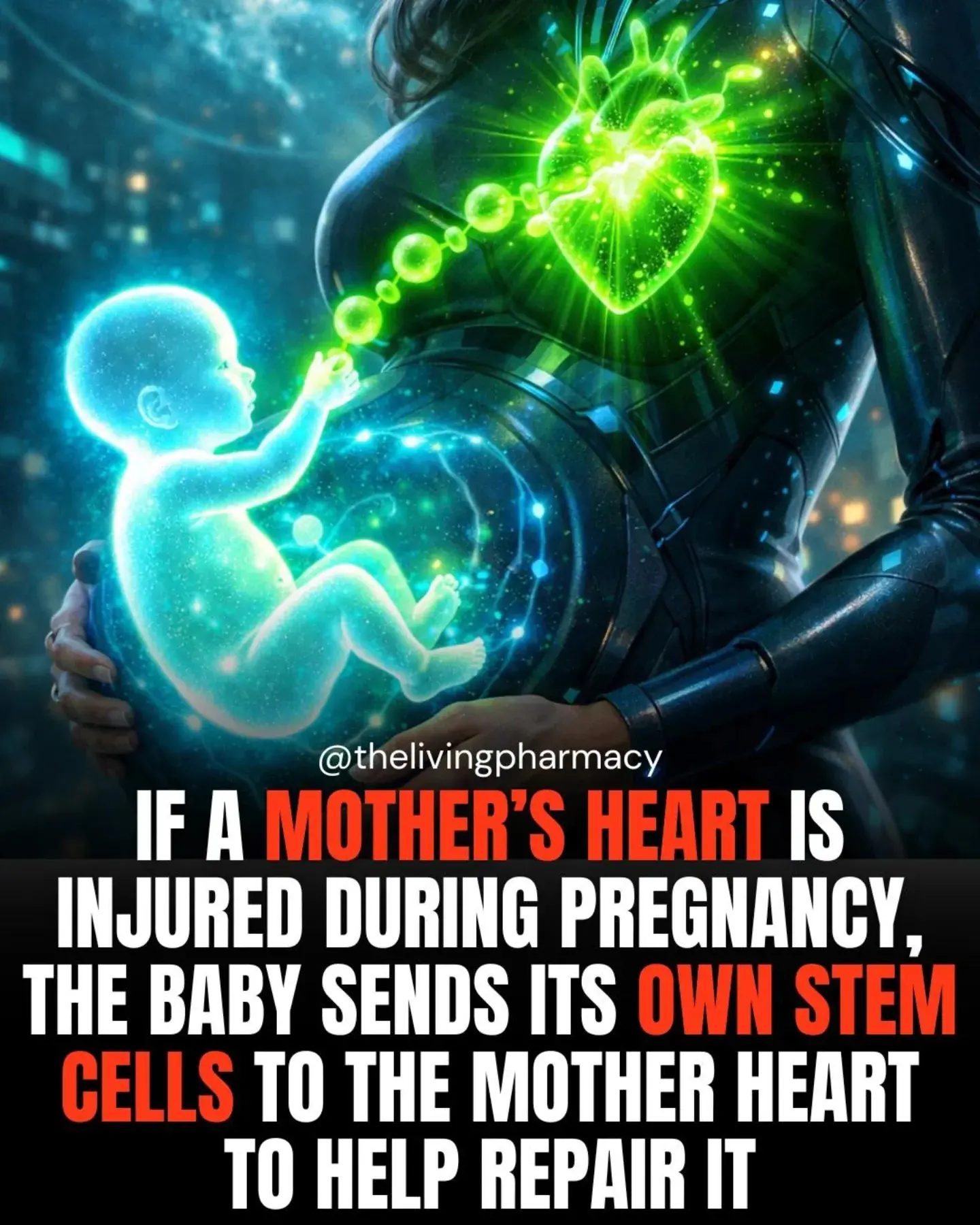
Pregnancy and Stem Cells
Pregnancy is a dynamic process involving intricate biological exchanges between the mother and the developing fetus. Among the most intriguing aspects of this relationship is fetal microchimerism, a phenomenon where fetal cells cross the placenta and integrate into the mother's body.
Why this matters
This process has significant implications for the health of both the mother and the baby. Understanding fetal microchimerism can provide insights into potential therapeutic applications and shed light on the profound biological connection between a mother and her child.
The Role of Stem Cells
During pregnancy, fetal stem cells have the remarkable ability to migrate to various maternal organs, including the heart. These cells exhibit stem cell-like behavior, meaning they can differentiate into different cell types and integrate into damaged tissue. This capability makes them a crucial factor in tissue repair and regeneration.
The Mechanism of Fetal Microchimerism
Fetal microchimerism involves the transfer of fetal cells across the placenta into the mother’s bloodstream. These cells can remain in the mother’s body for many years after pregnancy, potentially contributing to tissue repair and regeneration in various organs.
Researchers have discovered fetal-derived cells in damaged maternal heart tissue. These cells have shown the ability to integrate into injured areas, potentially aiding in healing processes. The presence of these cells suggests a deeper biological connection between the mother and the baby, highlighting the intricate communication that occurs during pregnancy.
Stem Cells and Heart Repair
One of the most fascinating aspects of fetal microchimerism is the potential role of fetal stem cells in repairing damaged heart tissue. When a mother's heart is injured during pregnancy, the baby can send its own stem cells to help repair the damage. These cells can reduce inflammation, promote blood vessel formation, and assist in cellular recovery, ultimately supporting the healing process.
Real-World Implications
The deep biological connection between a mother and her baby during pregnancy can have far-reaching implications for both parties. Understanding how fetal stem cells can aid in tissue repair and regeneration opens up new avenues for research and potential therapeutic applications.
Potential Therapeutic Applications
The discovery of fetal-derived cells in damaged maternal heart tissue has sparked interest in their potential therapeutic applications. These cells could be harnessed to develop new treatments for various conditions, including heart disease and other tissue injuries. Further research is needed to fully understand the mechanisms behind fetal microchimerism and to explore its potential for therapeutic use.
Long-term Health Benefits
The presence of fetal-derived cells in the mother's body long after pregnancy suggests that there may be long-term health benefits associated with fetal microchimerism. These cells could continue to support tissue repair and regeneration, potentially contributing to the mother’s overall health and well-being.
Practical tips
While the potential benefits of fetal microchimerism are promising, it’s essential to approach this topic with caution. Here are some practical tips for understanding and appreciating the biological connection between a mother and her baby:
- Stay Informed: Keep up-to-date with the latest research on fetal microchimerism and its potential implications. This knowledge can help you make informed decisions about your health and the health of your baby.
- Consult Healthcare Providers: If you have any concerns about fetal microchimerism or its potential effects, consult with a healthcare provider. They can provide personalized advice and guidance based on your specific situation.
- Pregnancy Health: Maintain a healthy lifestyle during pregnancy to support both your health and the health of your baby. This includes a balanced diet, regular exercise, and adequate rest.
- Postpartum Care: Continue to prioritize your health after pregnancy. Regular check-ups and a healthy lifestyle can help ensure that any potential benefits of fetal microchimerism are maximized.
Important takeaways
Understanding fetal microchimerism and the role of fetal stem cells in tissue repair and regeneration highlights the profound biological connection between a mother and her baby. This phenomenon has significant implications for both short-term and long-term health, opening up new avenues for research and potential therapeutic applications.
The Biological Connection
The intricate exchange of cells, hormones, and immune signals between a mother and her baby during pregnancy underscores the deep biological connection between them. This connection can have lasting effects on both parties, influencing their health and well-being long after pregnancy.
Potential for Therapeutic Use
Research into fetal microchimerism and the role of fetal stem cells in tissue repair and regeneration holds promise for developing new therapeutic applications. By harnessing the potential of these cells, we may be able to develop innovative treatments for various conditions, including heart disease and other tissue injuries.
Conclusion
The biological relationship between a mother and her baby during pregnancy is a complex and fascinating process. Fetal microchimerism and the role of fetal stem cells in tissue repair and regeneration offer valuable insights into the potential benefits of this connection. By staying informed and consulting with healthcare providers, we can better understand and appreciate the profound biological connection between a mother and her baby. This knowledge can help us make informed decisions about our health and the health of our loved ones, potentially leading to better outcomes for everyone involved.
Watch the Reel
Questions readers ask
What are fetal stem cells and how do they reach the mother's heart?
Fetal stem cells are special cells that are found in the developing fetus. During pregnancy, these cells can cross the placenta and travel to the mother's organs, including the heart. This process is known as fetal microchimerism.
How do fetal stem cells repair maternal heart tissue?
Once fetal stem cells reach the mother's heart, they can integrate into damaged tissue. This integration may help repair and regenerate injured heart tissue, contributing to the mother's cardiovascular health.
What is fetal microchimerism and why is it significant?
Fetal microchimerism is the process where fetal cells cross into the mother's body and integrate into various organs, including the heart and liver. It is significant because it reveals a deep biological connection between the mother and her baby, and may offer insights into potential therapeutic applications.
Can fetal cells in the mother's heart benefit long-term maternal health?
Research suggests that fetal cells found in the mother's heart may have long-term benefits. By integrating into the heart tissue, and helping to repair injuries, fetal cells may contribute to the mother's cardiovascular health. This highlights the importance of understanding and exploring this unique biological process.
What are the potential therapeutic applications of fetal microchimerism?
Fetal microchimerism opens up possibilities for understanding and developing new approaches to regenerative medicine. By studying how fetal cells repair the maternal heart, researchers may uncover new insights to advance stem cell therapies for heart disease and other conditions. This could lead to innovative treatments that harness the regenerative power of fetal stem cells.
Related deep dives
Similar reads based on topic and creator.




Recent articles
Fresh deep dives from the latest Reels we unpacked.




Comments
Be the first to comment.