Axolotl: The Amphibian with Remarkable Regenerative Powers
Axolotls, also known as Mexican salamanders, are extraordinary creatures renowned for their unique ability to regenerate lost body parts. This fascinating amphibian has captivated scientists worldwide due to its remarkable healing capabilities. The axolotl's regenerative prowess extends beyond regrowing limbs; it can also rebuild heart tissue, spinal cord, and other complex structures. By delving into the science behind these abilities, we uncover the potential for groundbreaking medical treatments that could benefit humans.
Why This Matters
Understanding the regeneration process in axolotls could revolutionize medical treatments for humans. Unlike other salamanders, axolotls retain their larval features, including gills, throughout their lives. This neotenic trait, combined with their regenerative abilities, makes them a subject of intense scientific interest.
The Science of Regeneration
The Regenerative Process
When an axolotl suffers a serious injury, such as the loss of a limb, a remarkable process begins. Specialized cells migrate to the wound site and form a structure called a blastema. This blastema is a mass of undifferentiated cells that can regenerate lost tissues with remarkable precision. The new limb functions just like the original, allowing the axolotl to move, swim, and hunt normally.
Key Points:
- Blastema Formation: Special cells gather to form a blastema, which rebuilds bones, muscles, nerves, and skin.
- Precision Rebuilding: The new limb functions just like the original, restoring normal mobility and functionality.
Regenerating Complex Structures
Axolotls' regenerative abilities are not limited to limbs. They can also regenerate other complex structures, including heart tissue and the spinal cord. Researchers are studying these healing abilities to understand how they might be applied to human medicine. By uncovering the molecular and cellular mechanisms behind axolotl regeneration, scientists hope to develop treatments for conditions such as spinal cord injuries and heart disease.
Key Points:
- Heart Tissue Regeneration: Axolotls can regenerate heart tissue, providing insights into potential treatments for heart disease.
- Spinal Cord Repair: The ability to regenerate the spinal cord offers hope for repairing spinal injuries and restoring mobility.
Conservation and Habitat
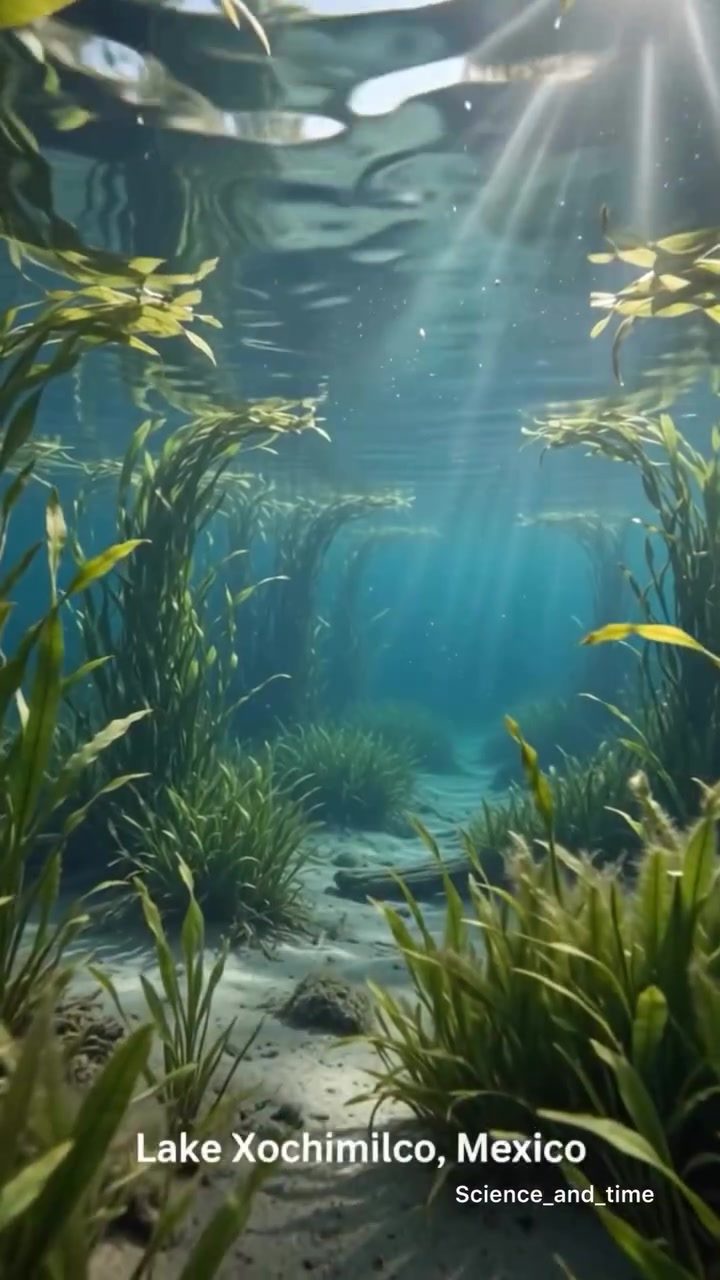
Despite their extraordinary abilities, axolotls are at risk of extinction. Today, they primarily survive in the waters of Lake Xochimilco in Mexico. Habitat loss and environmental degradation have pushed this remarkable species to the brink. Conservation efforts are crucial to preserving axolotls and protecting their natural habitat.
Practical Tips for Observing Axolotls
For those interested in observing these fascinating creatures, here are some practical tips:
Choosing the Right Environment
Axolotls are aquatic animals that require a specific environment to thrive. They need a tank with clean, cool water and plenty of hiding places. The ideal temperature for an axolotl tank is between 60-64°F (15-18°C).
Proper Feeding
Axolotls are carnivorous and require a diet rich in protein. They can be fed a variety of live or frozen foods, such as bloodworms, brine shrimp, and small earthworms. It's essential to provide a balanced diet to ensure their health and well-being.
Important Takeaways
Axolotls are one of nature's most extraordinary survivors, renowned for their ability to regenerate lost body parts. By understanding the molecular and cellular mechanisms behind their regenerative abilities, scientists hope to develop new medical treatments for humans. However, conservation efforts are crucial to protect these remarkable creatures and their natural habitat.
- Medical Potential: The regenerative abilities of axolotls offer insights into potential treatments for human injuries and diseases.
- Conservation Efforts: Protecting axolotls and their habitat is essential for preserving this remarkable species.
Conclusion
Axolotls continue to captivate scientists and nature enthusiasts alike with their extraordinary regenerative abilities. As researchers delve deeper into the science behind these powers, the potential for groundbreaking medical advancements becomes increasingly apparent. By appreciating and protecting these remarkable amphibians, we can ensure that their unique capabilities continue to inspire and inform future medical discoveries.
Watch the Reel
Questions readers ask
What makes the axolotl's regenerative abilities unique compared to other salamanders?
Axolotls differ from other salamanders because they retain their larval features, including gills, and they can regenerate a wider variety of organs and tissues throughout their lives, not just as larvae. This makes them a fascinating subject for researchers to explore.
Which body parts can axolotls regenerate?
Axolotls can regrow a variety of body parts including limbs, heart tissue, spinal cord, and even portions of their brain and eyes, making them a remarkable model for studying regenerative processes.
How does the axolotl's regenerative process work?
The axolotl's regenerative process involves complex cellular mechanisms including the dedifferentiation of cells near the injury site, formation of a blastema (a mass of undifferentiated cells), and the redifferentiation of these cells into the appropriate tissue types.
What kinds of medical research are axolotls involved in?
Axolotls are involved in medical research focused on limb regeneration, spinal cord injuries, and heart tissue repair. By studying how axolotls heal, researchers hope to develop new treatments for these conditions in humans.
Why do axolotls keep their larval features?
Axolotls exhibit a phenomenon known as neoteny, where they retain their juvenile features, such as gills, throughout their lives. This is thought to be an adaptive response to their aquatic environment, but it also contributes to their remarkable regenerative abilities.
Can axolotls regenerate any tissue?
While axolotls can regenerate a wide range of tissues, they do have some limitations. For example, they cannot regenerate certain internal organs like the lungs or kidney, and the success of regeneration can depend on the size and complexity of the injury.
How are axolotls used in studying the limb regeneration science?
Axolotls are used in studying limb regeneration science because of their ability to regrow complete, functional limbs after injury. Researchers analyze the cellular and molecular mechanisms involved in this process to better understand how tissue repair and regeneration work.
Related deep dives
Similar reads based on topic and creator.



Recent articles
Fresh deep dives from the latest Reels we unpacked.




Comments
Be the first to comment.