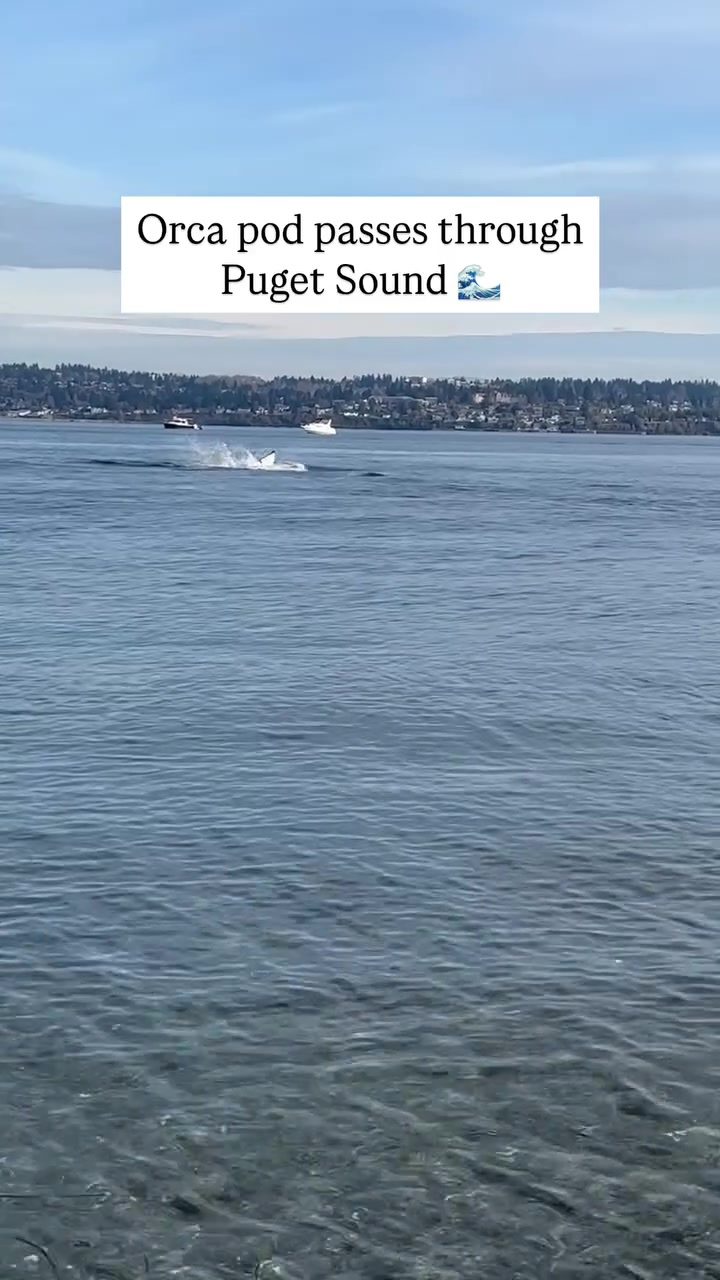
Orca Pod Sighting in Puget Sound
Orcas, also known as killer whales, are magnificent creatures that captivate the imagination of anyone lucky enough to witness them. A recent sighting of a pod passing through Puget Sound has brought renewed attention to these stunning marine mammals. The encounter showcased a natural wildlife spectacle, highlighting the beauty and allure of orcas in their natural habitat.
Why This Matters
The presence of orcas in Puget Sound is a significant event for locals and wildlife enthusiasts alike. This region is particularly important for orcas, as it serves as a critical feeding ground and a migratory route for these marine predators. Understanding their behavior and movements contributes to broader efforts in marine conservation and ecological research.
What to Know About Orca Sightings in Puget Sound
Orcas are known to frequent Puget Sound, particularly during the summer and fall months. This seasonal presence is closely linked to the availability of their primary food source, Chinook salmon. The pod sighting in the video underscores the importance of this region as a vital ecosystem for orcas and other marine life.
The Behavior of Orca Pods
Orca pods are structured social groups that exhibit complex behaviors. The pod captured in the video demonstrates the typical social dynamics of these mammals. Orcas are highly intelligent and social, with pods often consisting of related individuals. The pod observed in the video likely includes mothers, offspring, and other close relatives, working together to navigate and hunt.
The Ecological Significance of Puget Sound
Puget Sound is a unique and diverse marine environment, home to a variety of species. The sighting of the orca pod highlights the ecological importance of this region. The presence of orcas, as top predators, indicates a healthy ecosystem. These marine mammals play a crucial role in maintaining the balance of the ecosystem by preying on other marine animals, including fish and other marine mammals, allowing the ecosystem to thrive. The interaction between orcas and their prey helps control population numbers, ensuring that the ecosystem remains in equilibrium.
Puget Sound as a Migration Route
Puget Sound is not only a feeding ground but also a crucial migration route for orcas. The pod sighting confirms that the sound serves as a significant corridor for the movement of these marine mammals. Understanding the migratory patterns of orcas can provide valuable insights into their behavior and the health of the ecosystem.
Practical Tips for Spotting Orcas in Puget Sound
Visiting Puget Sound offers a unique opportunity to witness orcas in their natural habitat. Here are some practical tips for maximizing your chances of spotting these magnificent creatures:
Choose the Right Time of Year
Orcas are most commonly seen in Puget Sound during the summer and fall months, particularly from May to October. During this period, the waters are warmer, and the availability of food is higher, making it an ideal time for orca sightings.
Explore Popular Viewing Spots
Some popular viewing spots in Puget Sound include the San Juan Islands, Whidbey Island, and the Shilshole Bay Marina in Seattle. These locations are known for their clear waters and high concentrations of marine life, making them ideal for spotting orcas.
Go on a Guided Whale-Watching Tour
Guided whale-watching tours are an excellent way to spot orcas. These tours are led by experienced guides who know the best times and places to view these marine mammals. The guides provide valuable insights into the behavior and habits of orcas, enhancing the overall experience.
Look for Tell-Tale Signs
When out on the water, keep an eye out for tell-tale signs of orca activity, such as spouts, orcas, splashes, and the distinctive shape of orcas' dorsal fins. Binoculars can be helpful in spotting these signs from a distance. Keep in mind that orcas are often on the move, so patience is key.
Important Takeaways
Orcas in Puget Sound present an incredible opportunity to observe these fascinating marine mammals in their natural habitat. The sighting of a pod passing through Puget Sound highlights the ecological significance of this region and the importance of ongoing conservation efforts.
- Seasonal Presence: Orcas are most commonly seen in Puget Sound during the summer and fall months.
- Ecosystem Health: The presence of orcas indicates a healthy and balanced marine ecosystem.
- Popular Viewing Spots: Key locations for spotting orcas include San Juan Islands, Whidbey Island, and Shilshole Bay Marina.
- Conservation Efforts: Understanding orca behavior and movements is crucial for conservation efforts and maintaining the health of Puget Sound.
Conclusion
Orca sightings in Puget Sound offer a unique glimpse into the lives of these majestic marine mammals. The recent sighting of a pod passing through the sound serves as a reminder of the natural beauty and ecological significance of this region. By understanding the behavior and migratory patterns of orcas, we can better appreciate and protect these magnificent creatures and their habitat. Whether through guided tours or independent exploration, witnessing orcas in their natural environment is an unforgettable experience that underscores the importance of marine conservation.
Watch the Reel
Questions readers ask
What makes Puget Sound a critical habitat for orca pods?
Puget Sound is vital for orca pods due to its abundant food sources and its role as a migratory route. The region's diverse ecosystem supports the orcas' dietary needs, making it an essential area for their survival and well-being.
Why are orca sightings in Puget Sound considered significant?
Orca sightings in Puget Sound are significant because they offer insights into the health and behavior of these marine mammals. These encounters also highlight the importance of Puget Sound as a key habitat and migratory corridor, aiding in broader conservation efforts.
What are the best times to see orcas in Puget Sound?
Orcas can be seen in Puget Sound year-round, but the best times are typically during the summer and early fall months. During these periods, the weather is more favorable for wildlife viewing, and the orcas are more active in the sound.
What types of orca pods are commonly seen in Puget Sound?
Puget Sound is home to both resident and transient orca pods. The resident pods, which are fish-eating orcas, are more commonly seen and have been the focus of long-term research and conservation efforts, while the transient pods are less frequently observed and prefer marine mammals as prey.
How do observers contribute to the well-being of orcas in Puget Sound?
Observers can contribute to the well-being of orcas by maintaining a respectful distance, following guidelines for safe wildlife viewing, and supporting conservation efforts. It's crucial to minimize disturbance and reduce noise and waste to ensure the orcas' natural behavior and habitat are preserved.
What are some popular locations for orca pod sightings in Puget Sound?
Some popular locations for orca pod sightings in Puget Sound include San Juan Island, Whidbey Island, and the Strait of Juan de Fuca. These areas are known for their frequent orca sightings and offer various tour options for wildlife enthusiasts.
What should I do if I encounter an orca pod in Puget Sound?
If you encounter an orca pod, maintain a safe and respectful distance, and avoid getting too close. Observe from a distance, and use binoculars to get a better view. Follow guidelines to ensure the orcas' natural behavior and habitat are preserved.
Related deep dives
Similar reads based on topic and creator.

Recent articles
Fresh deep dives from the latest Reels we unpacked.




Comments
Be the first to comment.