Engineering Marvels of the World
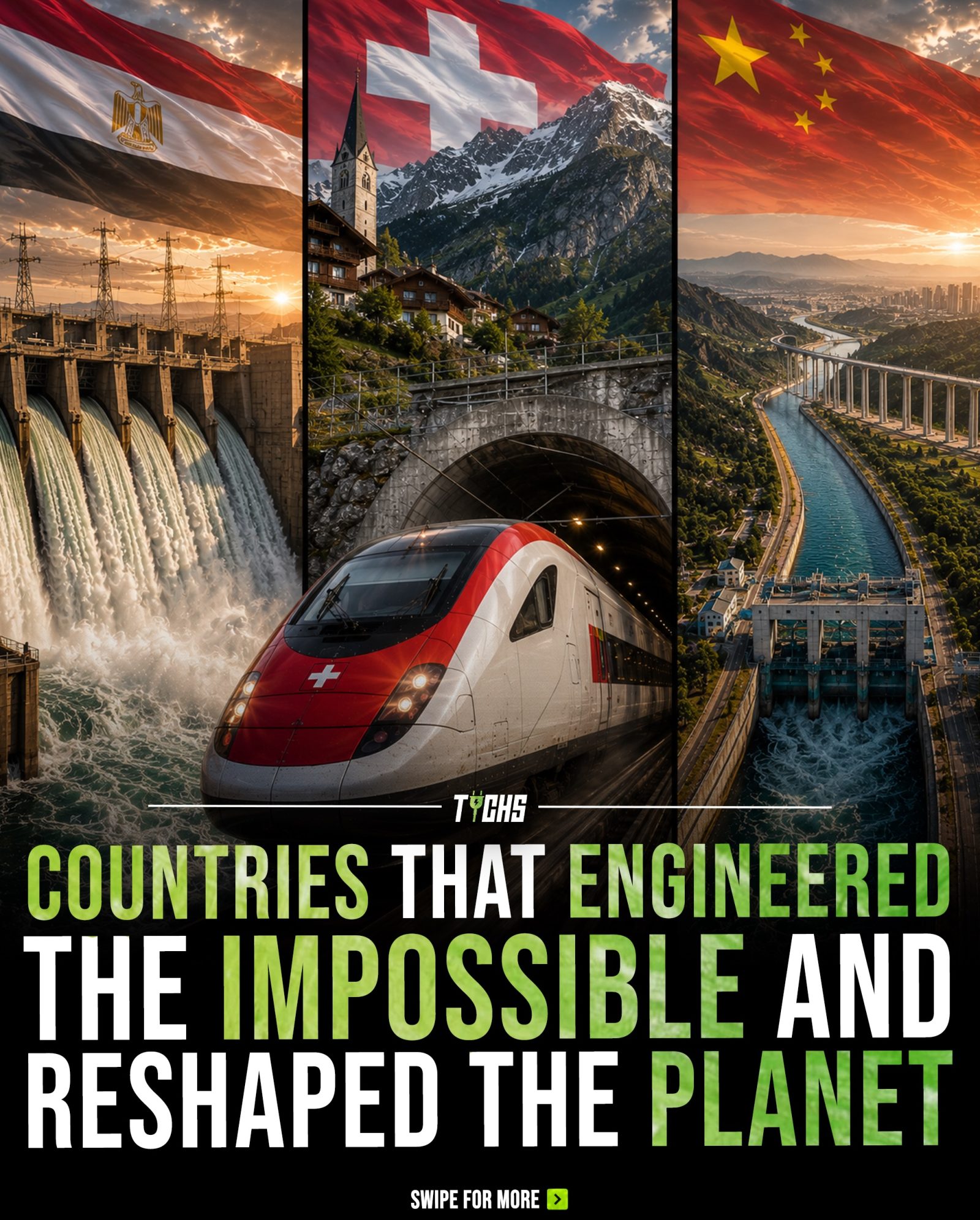
Engineering marvels have the power to transform landscapes, connect nations, and solve challenges once thought impossible. From the Gotthard Base Tunnel beneath the Alps to the Aswan High Dam on the Nile, and from Palm Jumeirah to Tokyo's underground flood control system and the Øresund Link, these projects showcase the pinnacle of human ingenuity and innovation.
Why These Engineering Feats Matter
These megaprojects are not just feats of engineering; they are testament to what can be achieved with bold design, innovation, and decades of meticulous construction. They continue to shape the future of transportation, water management, energy, and urban development, proving that engineering can redefine the future of entire countries. Each project addresses unique challenges, from the complex geology of mountain tunnels to the intricate water management systems that support vast populations.
Engineering Marvels from Around the World
The Gotthard Base Tunnel
Beneath the Swiss Alps lies the Gotthard Base Tunnel, the world's longest and deepest traffic tunnel. Stretching over 57 kilometers, this marvel of engineering reduces travel time between northern and southern Europe, significantly improving transportation efficiency.
The Aswan High Dam
Egypt's Aswan High Dam, one of the most significant engineering projects of the 20th century, controls the annual flooding of the Nile River. This dam has transformed agriculture in Egypt, providing water for irrigation and generating hydroelectric power, which supports the country's economic development.
Palm Jumeirah
In the heart of Dubai, the man-made Palm Jumeirah is an engineering marvel that has reshaped the coastline. This artificial archipelago, visible from space, is home to luxurious resorts, residential areas, and entertainment venues, showcasing how engineering can transform a desert into a thriving metropolis.
Tokyo's Underground Flood Control System
Tokyo's underground flood control system is a testament to Japan's expertise in urban planning and engineering. This intricate network of tunnels and reservoirs helps manage the city's flood risks, ensuring that one of the world's most densely populated areas remains safe and livable.
The Øresund Link
Connecting Denmark and Sweden, the Øresund Link is a combined road and rail bridge-tunnel that spans 16 kilometers. This engineering marvel has not only shortened travel time between the two countries but also fostered economic integration and cultural exchange.
The South-to-North Water Diversion Project
China's South-to-North Water Diversion Project is one of the world's largest water transfer projects, aimed at alleviating water shortages in the northern regions by diverting water from the Yangtze River basin. This ambitious project involves multiple channels and tunnels, ensuring sustainable water distribution across vast distances.
Practical Tips for Aspiring Engineers
For those inspired by these engineering marvels, here are some practical tips to pursue a career in this field:
Education and Skills
-
Foundation in Science and Math: A strong background in physics, mathematics, and related sciences is essential. These subjects provide the fundamental knowledge needed to understand and design complex systems.
-
Engineering Degree: Pursue an undergraduate degree in engineering, focusing on areas like civil, mechanical, or environmental engineering. Advanced degrees can further specialize your expertise.
-
Internships and Experience: Gain practical experience through internships, co-op programs, and real-world projects. This hands-on experience is invaluable for applying theoretical knowledge to actual engineering challenges.
Staying Updated
-
Continuous Learning: Engineering is a rapidly evolving field. Stay updated with the latest technologies, software, and industry advancements through courses, workshops, and conferences.
-
Professional Networks: Join professional organizations and attend industry events to network with other engineers, share knowledge, and explore new opportunities.
Important Takeaways
These engineering marvels highlight several key takeaways for anyone interested in the field:
-
Innovation and Bold Design: Embrace innovation and push the boundaries of what is possible. Bold design and creative thinking are crucial for tackling complex engineering challenges.
-
Collaboration and Teamwork: Engineering projects of this scale require collaboration between experts from various fields, including geologists, hydrologists, and environmental scientists. Effective teamwork is essential for success.
-
Sustainability and Impact: Consider the long-term environmental and societal impacts of engineering projects. Sustainable practices ensure that these marvels benefit future generations.
Conclusion
Engineering marvels from around the world are more than impressive structures; they are proof of human ingenuity and the power of innovation. From the Gotthard Base Tunnel to the Aswan High Dam, and from Palm Jumeirah to Tokyo's flood control system and the Øresund Link, these projects demonstrate how engineering can transform landscapes, connect nations, and solve once-impossible challenges.
Watch the Reel
Questions readers ask
What makes the Gotthard Base Tunnel one of the world's most impressive engineering marvels?
The Gotthard Base Tunnel is renowned for its length and depth. At 35 miles long, it is the world's longest railway tunnel and the deepest traffic tunnel. Its engineering required cutting through the Alps, overcoming geological challenges and maintaining precise alignments. The tunnel has significantly improved transportation and connectivity in Europe, reducing travel times and boosting economic growth.
How does the Aswan High Dam impact the region it serves?
The Aswan High Dam, located in Egypt, is the world's largest dam in terms of volume and reservoir size. It controls flooding, provides irrigation water, and generates hydroelectric power. By regulating the Nile's flow, it has enabled the development of agriculture in the region and has been a key factor in Egypt's modern history, helping to feed the population and produce electricity for development.
What are the key features of Palm Jumeirah and how was it constructed?
Palm Jumeirah, located in Dubai, is an artificial archipelago designed in the shape of a palm tree. Its construction involved innovative engineering techniques, including the use of sand dredged from the Persian Gulf and a complex system of breakwaters to protect the islands and maintain their shape. The project has transformed Dubai's coastline, attracting tourists and boosting the local economy.
What is the significance of Tokyo's underground flood control system?
Tokyo's underground flood control system is a high-tech engineering feat designed to protect the city from flooding. It includes massive underground reservoirs and tunnels that can store and redirect floodwater, preventing urban damage. This system is crucial for a densely populated city prone to heavy rainfall and typhoons, ensuring the safety of residents and the smooth operation of the city.
How does the Øresund Link contribute to regional connectivity?
The Øresund Link is a combined road and rail bridge-tunnel connecting Denmark and Sweden. It is one of the longest combined road and rail bridges in Europe, spanning 4.1 miles. By connecting the two countries, it has facilitated the movement of people, goods, and services, fostering economic growth and cultural exchange. The project has significantly reduced travel times and enhanced regional integration.
What are some key sustainability aspects of the Shanghai's flood control system?
Shanghai’s flood control system is a high-tech engineering marvel designed to protect the city from flooding. It includes a network of pumps, tunnels, and reservoirs that efficiently manage heavy rainfall and storm surges. By leveraging smart technology and sustainable practices, the system minimizes environmental impact while safeguarding the city. Ensuring the protection of both natural and urban environments, this system plays a crucial role in Shanghai's ability to adapt to climate change.
What challenges were overcome in the construction of these transformative engineering projects?
These engineering wonders often faced and overcame significant challenges due to their scale and complexity. Issues such as geological instability, harsh environmental conditions, and logistical hurdles were tackled through innovative engineering solutions, advanced technologies, and decades of meticulous planning. Each project required collaboration across multiple disciplines, pushing the boundaries of what is possible in engineering and infrastructure development.
Recent articles
Fresh deep dives from the latest Reels we unpacked.




Comments
Be the first to comment.