Home Repair Mistakes
Whether a homebuyer or a skilled handyperson, encountering hidden home defects can be a nightmare. Most would agree that the purchase price is secondary to the hidden costs of home repairs. When buying a home, homebuyers often rely on their own eyes to make decisions. However, it's crucial to identify the potential hidden problems that can cost thousands of dollars.
Why This Matters
The biggest fear of buying a house isn’t the price tag, but the unexpected defects lurking beneath the surface. These issues can turn a dream home into a financial nightmare. To avoid these costly surprises, many homebuyers in the U.S. hire professional home inspectors before finalizing the contract. An expert’s keen eye and sharp ears can reveal hidden problems that might otherwise go unnoticed.
The Role of a Home Inspector
Unseen Damage
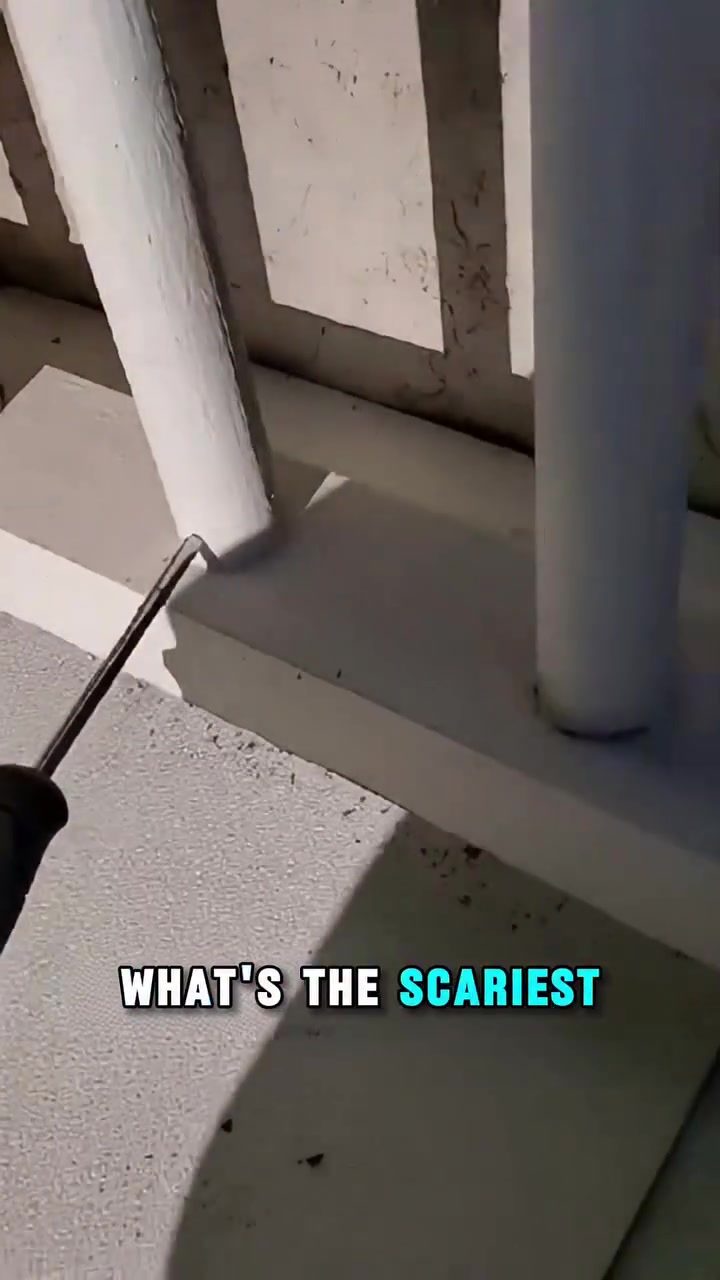
Homebuyers often underestimate the importance of a thorough home inspection. Experienced inspectors can detect hidden damage through subtle changes in sound and vibration. This skill, honed through years of practice, allows them to identify issues that might be overlooked by the untrained eye. Every suspicious spot is marked with a small flag, creating a map of potential problems that need attention. By the end of the inspection, these flags reveal the true condition of the house, providing a clear picture of what lies beneath the surface.
The Science of Sound
Experienced home inspectors use more than just their eyes during an inspection. They rely on their sharp ears to listen for subtle changes in sound and vibration that can indicate hidden damage. This method, known as impact echo testing, involves tapping or knocking on surfaces and listening for variations in sound that suggest underlying issues. For instance, a hollow sound might indicate rotting wood or a void behind the surface. This technique can reveal serious defects without the need for invasive procedures like tearing apart walls or floors.
Common Home Defects
Some of the most common and costly defects found during home inspections include:
Water Damage
Water damage can cause significant structural issues if left untreated. It can lead to mold growth, rotting wood, and even compromise the foundation. Inspectors look for signs of water damage, such as discoloration on walls or ceilings, musty odors, and visible mold growth. They also check for leaks in plumbing systems, roofing, and windows.
Electrical Issues
Electrical problems can pose serious safety hazards, including fire risks. Inspectors check for exposed wiring, outdated electrical panels, and signs of electrical overload. They also ensure that all outlets, switches, and fixtures are functioning correctly.
Foundation Problems
Foundation issues can be costly to repair and may affect the structural integrity of the entire home. Inspectors look for cracks in the foundation, uneven floors, and doors or windows that stick or won’t close properly. They also check for signs of settling or heaving, which can indicate foundation movement.
Roofing Problems
A damaged roof can lead to water leaks, mold growth, and other issues. Inspectors check for missing or damaged shingles, leaks, and signs of aging or wear. They also inspect flashing around chimneys, vents, and skylights to ensure proper sealing.
Practical Tips
Conduct a Thorough Inspection
Don’t rely on your own visual inspection. Hire a professional home inspector to conduct a thorough assessment of the property. Look for an inspector with experience and certifications, and ask for references. During the inspection, ask questions about any potential issues and ensure that the inspector checks all critical areas of the home.
Pay Attention to Details
Be meticulous in your inspection process. Look for signs of water damage, such as stains on ceilings or walls, and check for mold or mildew. Inspect the roof for leaks and damaged shingles. Examine the foundation for cracks or signs of settling. Also, check plumbing and electrical systems for any issues.
Be Prepared to Negotiate
If the inspection reveals significant defects, use this information to negotiate the price of the home or request that the seller makes necessary repairs before closing. Don’t be afraid to walk away from a deal if the issues are too severe or costly to repair.
Regular Maintenance
Regular maintenance can prevent many common home defects. Inspect your home annually for signs of wear and tear, and address any issues promptly. Regular maintenance can save you money in the long run by preventing more extensive and costly repairs.
Important Takeaways
Buying a house is one of the biggest investments a person can make, and it’s essential to be aware of potential hidden defects. By hiring a professional home inspector, conducting a thorough inspection, and performing regular maintenance, homeowners can avoid costly surprises and protect their investment. Remember, the key to a successful home purchase lies in being proactive and diligent in identifying and addressing potential issues.
Conclusion
Home repairs and maintenance can be costly, but they are a necessary part of homeownership. By being aware of common defects, conducting thorough inspections, and performing regular maintenance, homeowners can protect their investment and avoid costly surprises. Whether you’re a first-time homebuyer or an experienced homeowner, staying informed and proactive can help you maintain a safe and functional home.
Watch the Reel
Questions readers ask
Why should I consider a professional home inspection before buying a house?
A professional home inspection provides an unbiased assessment of the property's condition, helping you make an informed decision. Inspectors can identify hidden issues that may not be visible to the untrained eye, potentially saving you from costly repairs down the line.
What are some common hidden home defects that a home inspection can uncover?
Home inspections can reveal a range of issues such as structural problems, electrical hazards, plumbing leaks, roof damage, and problems with the HVAC system. These are often not visible during a casual walkthrough but can lead to significant expenses if left unaddressed.
How do I find a reliable home inspector?
To find a reliable home inspector, look for professionals who are licensed and certified. Ask for recommendations from real estate agents or friends who have had positive experiences. Additionally, check online reviews and ensure the inspector has experience with the type of property you are considering.
What is the typical cost of a home inspection, and is it worth it?
The cost of a home inspection varies depending on the size and location of the property, but it generally ranges from $300 to $500. Considering the potential savings from avoiding major repairs, the cost is often well justified. It provides peace of mind and a clearer understanding of the property's condition.
Should I be present during the home inspection?
Yes, it is highly recommended to be present during the home inspection. This allows you to ask questions, gain a better understanding of the property's condition, and learn about its systems and components. The inspector can also point out minor issues that you might be able to address yourself.
What should I do if the home inspection reveals significant issues?
If significant issues are revealed, you have a few options. You can negotiate with the seller to address the issues before closing, request a credit at closing to cover the repair costs, or in some cases, walk away from the purchase. It's important to discuss these options with your real estate agent and potentially a legal professional.
Recent articles
Fresh deep dives from the latest Reels we unpacked.




Comments
Be the first to comment.