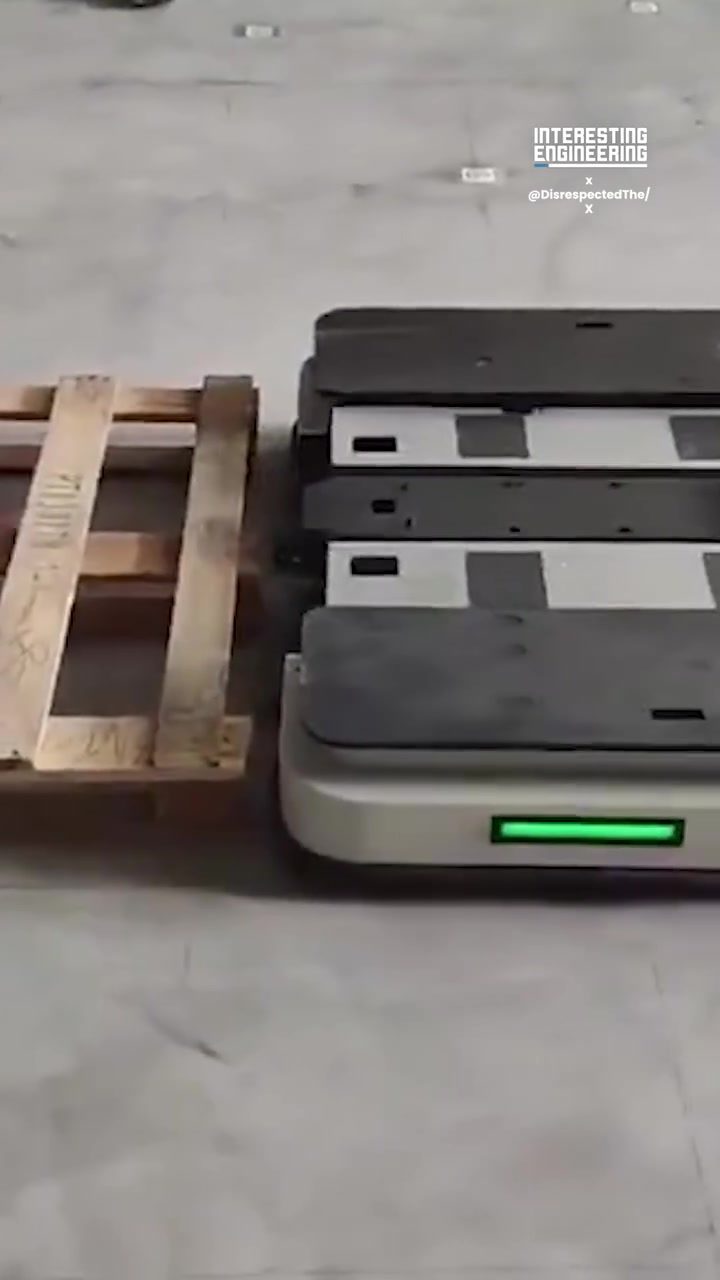
Autonomous Mobile Robots in Logistics
Autonomous mobile robots (AMRs) are revolutionizing the way warehouses and distribution centers operate. These advanced machines are designed to navigate complex environments with precision, handling tasks that range from transporting goods to optimizing workflows. Understanding how AMRs function and their role in automated logistics systems provides valuable insights into the future of logistics.
Context / Why This Matters
Automated logistics systems are becoming increasingly important as businesses strive to enhance efficiency, reduce costs, and improve accuracy. Traditional forklifts and manual labor are being augmented or replaced by AMRs, which can operate continuously without the need for breaks or shifts. This shift is driven by the need for faster, more accurate order fulfillment in the face of growing e-commerce demand and shorter delivery times.
The key benefits of AMRs in logistics include:
- Precision and Accuracy: AMRs can navigate through narrow aisles and crowded warehouses with high precision, minimizing the risk of collisions and damage to goods.
- Efficiency: These robots can operate 24/7, leading to increased productivity and faster order processing times.
- Flexibility: AMRs can be reprogrammed to adapt to changing warehouse layouts and operational needs, making them highly versatile.
- Safety: By reducing the need for human operators in hazardous areas, AMRs enhance workplace safety.
Main Discussion
Navigating Complex Environments
Autonomous mobile robots are equipped with advanced sensors and algorithms that allow them to navigate complex environments. This includes:
- Sensor Technology: AMRs use a combination of lidar, cameras, and ultrasonic sensors to map their surroundings and detect obstacles.
- Algorithm for Path Planning: These robots rely on sophisticated algorithms to plan their routes, avoiding collisions and optimizing travel paths. This ensures that they can move efficiently around pallets, shelves, and other obstacles in a warehouse.
- Operational Status Indicators: These robots often have visual indicators, such as a green light, to show they are operational and ready to perform tasks.
Handling Logistics Tasks
AMRs can handle a variety of tasks within a logistics system, including:
- Transporting Goods: These robots can move pallets, cartons, and other goods from one location to another with precision and speed.
- Inventory Management: Equipped with barcode scanners or RFID readers, AMRs can help in inventory tracking, ensuring that stock levels are accurate and up-to-date.
- Order Fulfillment: AMRs can pick and pack orders, reducing the time and effort required to fulfill customer orders.
Integration with Automated Systems
AMRs are often integrated into larger automated systems that include:
- Warehouse Management Systems (WMS): These systems orchestrate the movement of goods, ensuring that AMRs are dispatched to the correct locations at the right times.
- Automated Guided Vehicles (AGVs): While AGVs and AMRs serve similar purposes, AMRs offer greater flexibility and intelligence, allowing them to adapt to changing conditions and tasks more effectively.
- Human-Robot Collaboration: In many logistics operations, AMRs work alongside human workers, with each performing tasks that leverage their respective strengths.
Practical Tips
If you're considering implementing autonomous mobile robots in your logistics operations, here are some practical tips:
- Assess Your Needs: Evaluate your warehouse layout, operational workflows, and specific needs to determine the types of tasks AMRs can perform.
- Invest in Training: Train your staff on how to work with and maintain these advanced robots to ensure smooth integration.
- Start Small: Begin with a pilot project to test the technology and gather data on its effectiveness before scaling up.
- Regular Maintenance: Ensure that your AMRs are regularly maintained to keep them in optimal working condition, minimizing downtime and extending their lifespan.
Important Takeaways
Autonomous mobile robots are transforming the logistics industry, offering increased efficiency, precision, and flexibility. Their ability to navigate complex environments and handle various tasks makes them invaluable in modern warehouses. By understanding how AMRs function and their integration into automated systems, businesses can enhance their operational capabilities and stay competitive in a rapidly evolving market.
Conclusion
The future of logistics is being shaped by autonomous mobile robots. These advanced machines are not just replacing traditional methods; they are redefining how goods are moved and managed. By embracing this technology, logistics companies can achieve new levels of efficiency, accuracy, and productivity. Whether it's navigating through crowded warehouses or handling intricate tasks, AMRs are proving to be indispensable in the modern logistics landscape.
Watch the Reel
Questions readers ask
How do autonomous robots improve warehouse safety?
Autonomous robots enhance warehouse safety by reducing the need for manual handling of heavy loads, which can lead to injuries. They are equipped with sensors that allow them to navigate safely around humans and other obstacles, minimizing the risk of accidents.
What tasks can autonomous mobile robots (AMRs) perform in a warehouse?
AMRs can perform a variety of tasks, including transporting goods between different points in the warehouse, optimizing workflows, and even handling pallets. They are designed to navigate complex environments with precision, making them versatile tools for warehouse operations.
How do autonomous robots optimize workflows in a warehouse?
Autonomous robots optimize workflows by continuously collecting and analyzing data on warehouse operations. This enables them to identify inefficiencies and make real-time adjustments to improve the overall efficiency of the warehouse, ensuring smoother and more streamlined processes.
Can autonomous robots operate continuously in a warehouse environment?
Yes, autonomous robots can operate continuously without the need for breaks or shifts, unlike human workers. This capability allows warehouses to maintain high productivity levels around the clock, leading to increased output and faster order fulfillment.
How do autonomous robots navigate complex warehouse environments?
Autonomous robots use a combination of advanced sensors, mapping technologies, and AI algorithms to navigate complex warehouse environments. They create detailed maps of the warehouse and use real-time data to avoid obstacles and plan efficient routes, ensuring precise and safe navigation.
What are the benefits of using autonomous robots for pallet handling in a warehouse?
Autonomous robots excel in pallet handling by providing precise and efficient movement of heavy loads, reducing the risk of damage to goods and minimizing the physical strain on human workers. Additionally, they can handle pallets with speed and accuracy, enhancing the overall productivity of the warehouse.
How do autonomous robots integrate with existing warehouse management systems?
Autonomous robots can be integrated with existing warehouse management systems through APIs and other communication protocols. This allows for seamless coordination between the robots and the warehouse management software, enabling real-time data exchange and improved operational efficiency.
Related deep dives
Similar reads based on topic and creator.


Recent articles
Fresh deep dives from the latest Reels we unpacked.




Comments
Be the first to comment.