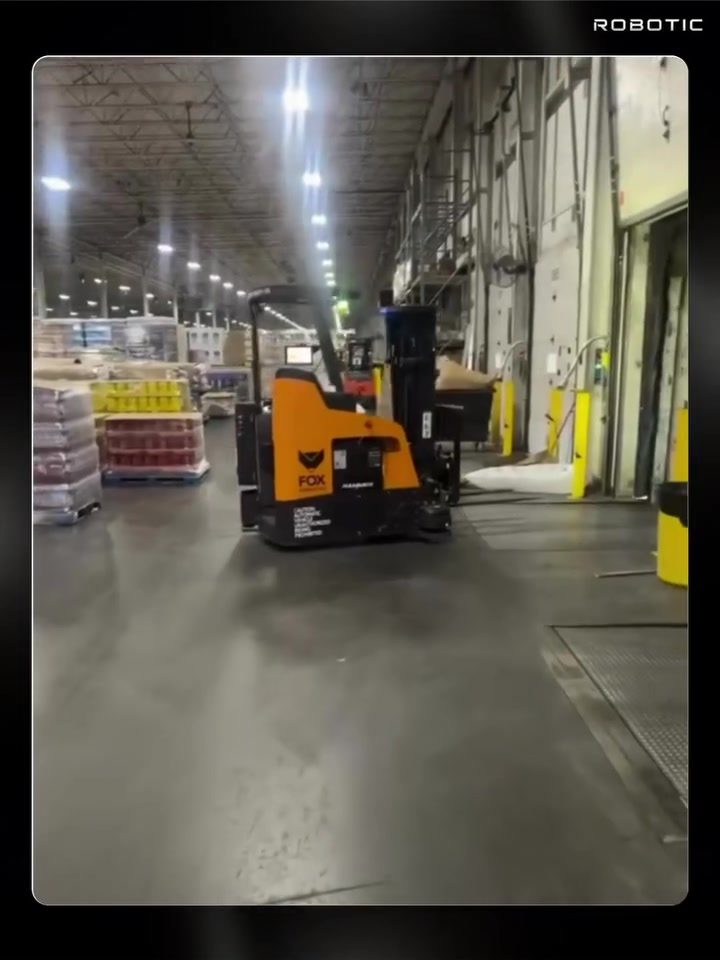
Autonomous Forklifts in US Warehouses: The Future of Logistics
Autonomous forklifts are revolutionizing warehouse operations across the United States. These advanced machines use automated guided vehicle (AGV) and autonomous mobile robot (AMR) technology to move pallets and manage inventory without the need for human operators. This shift is not just about increasing speed; it's about achieving precision, safety, and seamless integration with warehouse management systems.
Why This Matters
The deployment of autonomous forklifts reflects a broader trend in US logistics: reducing manual labor, increasing efficiency, and preparing for the next generation of smart warehouses. Companies like roboticCostco are at the forefront of this transformation, leveraging cutting-edge technology to stay ahead in the competitive logistics industry.
The Technology Behind Autonomous Forklifts
Automated Guided Vehicles (AGVs) and Autonomous Mobile Robots (AMRs)
Automated guided vehicles (AGVs) and autonomous mobile robots (AMRs) are the backbone of modern warehouse automation. AGVs follow predefined paths using markers or wires, while AMRs use advanced sensors and mapping technologies to navigate autonomously. This combination allows forklifts to move efficiently through complex warehouse environments, avoiding obstacles and optimizing routes.
Sensors and Mapping
Key suppliers like Toyota Industries Corporation and Crown Equipment Corporation integrate LiDAR, cameras, and mapped layouts into their forklifts. These technologies enable the forklifts to navigate safely and efficiently through warehouses. LiDAR sensors create a 3D map of the environment, while cameras provide visual data that helps the forklift avoid obstacles and navigate narrow aisles.
Precision and Safety
Autonomous forklifts are designed with precision and safety in mind. They can navigate through doorways and maneuver pallets with exceptional accuracy, ensuring that goods are handled gently and efficiently. The forklifts are also equipped with safety features that alert human workers to their presence, reducing the risk of accidents.
How Autonomous Forklifts Operate
Loading and Unloading
Autonomous forklifts can unload and load trailers with minimal impact on the vehicle. This is particularly important in logistics, where any delay or damage can lead to significant losses. The forklifts are programmed to enter trailers gently, ensuring that the cargo remains undisturbed and the trailer structure is not compromised.
Integration with Warehouse Management Systems
One of the most significant advantages of autonomous forklifts is their ability to integrate seamlessly with warehouse management systems. These systems provide real-time data on inventory levels, order status, and forklift locations, allowing for better decision-making and resource allocation.
Practical Tips for Implementing Autonomous Forklifts
If you're considering implementing autonomous forklifts in your warehouse, here are some practical tips to help you get started:
Assess Your Needs
Begin by assessing your current logistics operations and identifying areas where automation can bring the most significant benefits. Consider factors like warehouse size, inventory volume, and the complexity of your operations.
Choose the Right Technology
Select a forklift model that matches your specific needs. Consider factors like load capacity, navigation technology, and integration capabilities. Look for suppliers that offer comprehensive support and training to ensure a smooth transition.
Train Your Staff
Even though autonomous forklifts operate without human intervention, it's essential to train your staff on how to work safely and effectively with these machines. Ensure that everyone understands the safety protocols and knows how to interact with the forklifts.
Monitor and Optimize
Once the forklifts are in operation, continuously monitor their performance and make necessary adjustments. Use the data provided by the warehouse management system to identify areas for improvement and optimize your operations.
Important Takeaways
Autonomous forklifts are more than just a trend; they represent the future of logistics. By integrating AGV and AMR technology, these forklifts offer unmatched precision, safety, and efficiency. As the logistics industry continues to evolve, embracing automation will be key to staying competitive and meeting the demands of the market.
Conclusion
The deployment of autonomous forklifts in US warehouses marks a significant shift toward efficient, safe, and automated logistics. By leveraging advanced technologies like LiDAR, cameras, and mapped layouts, companies can achieve higher levels of precision, safety, and integration with warehouse management systems. As the industry continues to evolve, embracing this technology will be crucial for staying ahead in the competitive logistics landscape.
Watch the Reel
Questions readers ask
How do autonomous forklifts enhance warehouse safety?
Autonomous forklifts improve safety by reducing human error and minimizing the risk of accidents. They are equipped with sensors that detect obstacles and navigate safely around the warehouse, ensuring a more secure working environment for employees.
What is the difference between AGV and AMR forklifts?
AGV (Automated Guided Vehicle) forklifts follow fixed routes using markers or wires, while AMR (Autonomous Mobile Robot) forklifts use advanced sensors and mapping technology to navigate dynamically and make real-time decisions, allowing for greater flexibility and efficiency.
How do autonomous forklifts integrate with existing warehouse management systems?
Autonomous forklifts are designed to seamlessly integrate with warehouse management systems. They can communicate in real-time, optimizing routes, managing inventory, and providing data that enhances overall warehouse logistics and efficiency.
What are the benefits of using autonomous forklifts in warehouse operations?
Autonomous forklifts offer numerous benefits, including increased precision in handling materials, reduced need for manual labor, optimized route management, and enhanced safety. They also contribute to a more efficient and streamlined warehouse environment.
How do autonomous forklifts improve warehouse efficiency?
By automating pallet moving and inventory management, autonomous forklifts reduce the time and resources required for these tasks. They optimize routes, minimize downtime, and ensure continuous operation, leading to a more efficient and productive warehouse.
What role do autonomous forklifts play in fleet management for logistics?
Autonomous forklifts are instrumental in modern fleet management. They provide real-time data on their operations, allowing for better coordination and scheduling. This data helps in maintaining optimal performance, reducing maintenance needs, and ensuring that the fleet operates at peak efficiency.
How are companies like roboticCostco leading the way in warehouse automation?
Companies like roboticCostco are pioneering the use of autonomous forklifts and other robotic solutions. By leveraging advanced technology, they set new standards for efficiency, safety, and innovation in warehouse operations, driving the broader industry towards a future of automated warehouse solutions.
Related deep dives
Similar reads based on topic and creator.



Recent articles
Fresh deep dives from the latest Reels we unpacked.




Comments
Be the first to comment.