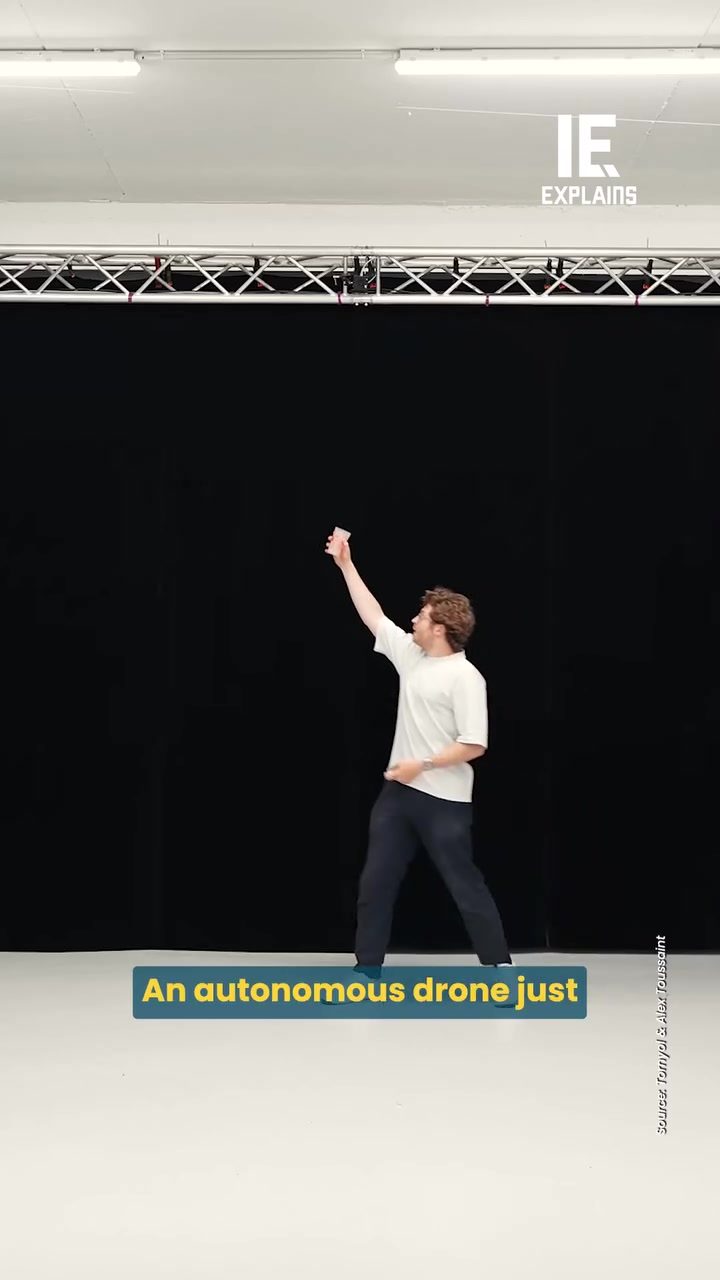
Autonomous Micro-Drones: The Future of Mosquito Control
Introduction
Micro-drones are revolutionizing the way we approach mosquito control. These tiny, autonomous drones, such as the 40-gram Torn Yall, are equipped with advanced sonar technology that allows them to hunt down mosquitoes with precision. The potential impact of these drones on public health, particularly in the fight against malaria, is immense.
Context / Why this matters
Mosquitoes are a significant global health concern, responsible for the deaths of around 700,000 people every year. Traditional methods of mosquito control, such as chemical sprays and nets, have limitations in terms of effectiveness and cost. The introduction of autonomous micro-drones offers a new, potentially more efficient and sustainable solution.
Main discussion
The Technology Behind Autonomous Micro-Drones
Torn Yall, a micro-drone developed by a French startup backed by Y Combinator, demonstrates the capabilities of these advanced drones. The drone uses sonar to detect and identify mosquitoes. It fires ultrasonic pulses and listens with an array of tiny microphones, reading the Doppler signature of an insect’s wingbeats. This technology allows the drone to distinguish between a mosquito and other insects, such as bees.
The drone itself serves as the weapon, locking onto the target and ramming into it. This method eliminates the need for chemical sprays, making the process more environmentally friendly.
The Potential Impact on Public Health
The primary target of these micro-drones is the mosquito, particularly the species that carry diseases like malaria. The drone's ability to identify and eliminate mosquitoes with precision could significantly reduce the incidence of mosquito-borne illnesses. Co-founder Alex Toussaint envisions a future where just 10 of these drones patrolling a square kilometer could slash the cost of mosquito control a hundredfold, potentially helping to end malaria for good.
How it Works
Every wingbeat of an insect leaves a unique Doppler fingerprint. The micro-drone's advanced sonar system can read these fingerprints, allowing it to differentiate between a mosquito and other flying insects. This precision targeting ensures that only the intended pests are eliminated, minimizing collateral damage to other species.
The Vision for the Future
The vision for these micro-drones extends beyond just mosquito control. The drones could also be used to target other pests and insects, further expanding their utility in various ecological and agricultural settings. The drones could serve as a key tool in integrated pest management (IPM) strategies, helping to maintain ecological balance while protecting crops and public health.
Practical Tips
For those looking to implement this technology
If you are considering implementing autonomous micro-drones for mosquito control, there are several practical steps to keep in mind:
- Evaluate the terrain: Understand the landscape where the drones will be deployed. This includes identifying key areas where mosquitoes breed and rest.
- Regulatory Compliance: Ensure that the use of drones complies with local regulations and guidelines. This may include obtaining necessary permits and adhering to safety standards.
- Maintenance and Monitoring: Regular maintenance and monitoring of the drones are crucial to ensure they operate effectively. This includes checking the sonar equipment and ensuring the drones are in good working condition.
- Integration with Existing Methods: While drones offer a new approach, they can be integrated with existing mosquito control methods, such as larval source management and insecticide-treated nets, to enhance overall effectiveness.
For those interested in supporting or funding this technology
Supporting the development and deployment of autonomous micro-drones can have significant public health benefits. Here are some ways to get involved:
- Investment and Funding: Providing financial support to startups and research institutions working on this technology can accelerate its development and deployment.
- Policy Advocacy: Advocate for policies that support the use of innovative technologies in public health, including the deployment of autonomous drones.
- Collaboration and Partnerships: Collaborate with local health authorities, environmental organizations, and other stakeholders to ensure that the technology is used effectively and sustainably.
Important Takeaways
The Technology
Micro-drones like Torn Yall represent a groundbreaking advancement in pest control technology. Their ability to precisely target and eliminate mosquitoes using advanced sonar technology offers a new approach to mosquito control that is both effective and environmentally friendly.
The Potential Impact
The potential impact of these drones on public health, particularly in areas affected by malaria and other mosquito-borne diseases, cannot be overstated. By reducing the mosquito population, these drones could significantly lower the incidence of these diseases, saving countless lives.
Conclusion
Autonomous micro-drones are at the forefront of a new era in pest control. Their ability to precisely target and eliminate mosquitoes, along with their potential to reduce the cost and environmental impact of current control methods, makes them a promising tool in the fight against mosquito-borne diseases. As this technology continues to develop, it has the potential to revolutionize public health and agricultural pest management, offering a sustainable and effective solution to one of the world's most pressing health concerns.
Watch the Reel
Questions readers ask
How do autonomous drones like Torn Yall use sonic pulses to control mosquitoes?
Torn Yall drones emit ultrasonic pulses that are inaudible to humans but disrupt the nervous system of female mosquitoes, preventing them from flying or biting. This targeted approach allows the drones to effectively reduce mosquito populations without the use of harmful chemicals.
What makes autonomous micro-drones an eco-friendly option for mosquito control?
Autonomous micro-drones like Torn Yall are eco-friendly due to their small size, which results in lower energy consumption and minimal environmental impact. They also reduce the need for chemical pesticides, promoting a more sustainable approach to mosquito management.
Can autonomous drones significantly reduce mosquito-borne illnesses?
Yes, by targeting and reducing mosquito populations, autonomous drones can play a crucial role in decreasing the spread of mosquito-borne illnesses such as malaria, dengue fever, and Zika virus. Their precision targeting helps minimize the risk of disease transmission.
How do ultrasonic mosquito repellents work in drone technology?
Ultrasonic mosquito repellents in drones work by emitting high-frequency sound waves that mosquitoes find disturbing. These sound waves interfere with the mosquitoes' ability to navigate and locate hosts, making it difficult for them to bite and spread diseases. The technology is integrated into the drones to enhance their effectiveness in controlling mosquito populations.
What advantages do autonomous drones have over traditional mosquito control methods?
Autonomous drones offer several advantages, including precision targeting, which allows them to focus on specific areas where mosquitoes are prevalent. They are also more cost-effective in the long run, reducing the need for repeated chemical treatments, and operate in a way that minimizes human intervention and environmental pollution.
How do ultrasonic pulses from drones affect other wildlife and the environment?
The ultrasonic pulses emitted by drones are designed to specifically target mosquitoes and are generally safe for other wildlife and the environment. These pulses are inaudible to most other animals and humans, ensuring that the technology does not disrupt the broader ecosystem.
What role do autonomous drones play in sustainable pest control strategies?
Autonomous drones contribute to sustainable pest control strategies by providing an environmentally friendly alternative to traditional methods. Their efficiency and targeted approach help reduce the reliance on chemical pesticides, thereby promoting a more sustainable and effective way to control mosquito populations.
Related deep dives
Similar reads based on topic and creator.



Recent articles
Fresh deep dives from the latest Reels we unpacked.




Comments
Be the first to comment.