Autonomous Boat Technology: Revolutionizing Naval Logistics
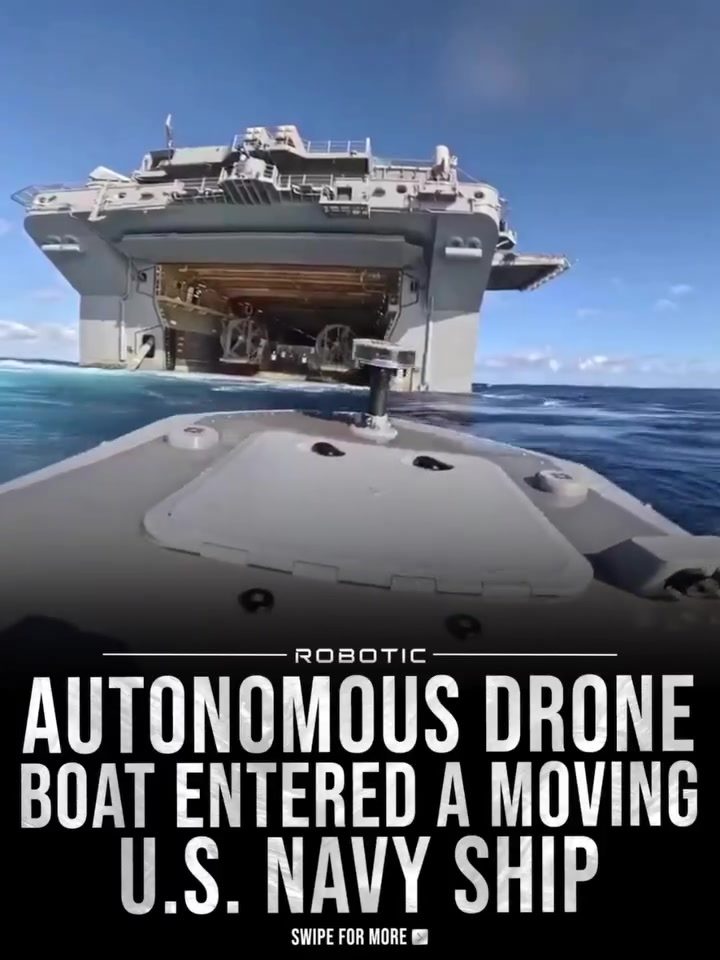
Autonomous boats are transforming naval logistics, offering a safer and more efficient way to transport critical supplies. These small, uncrewed vessels can autonomously navigate into moving warships, conduct resupply missions, and return to shore without putting sailors at risk. The ROBOTIC Typhoon USV, for example, recently performed a groundbreaking maneuver during the RIMPAC exercise.
Context / Why This Matters
In contested or dangerous waters, autonomous resupply missions could significantly enhance naval operations. By reducing the need for human intervention, these missions make logistics faster, cheaper, and far safer. This advance in technology hints at a future where fleets of robotic boats support warships, keeping human crews out of harm's way. As naval logistics become more reliant on autonomous systems, understanding the capabilities and potential of these vessels is crucial.
Main discussion
The Typhoon USV: A Game-Changer
The ROBOTIC Typhoon USV, developed by Splash Industries, is a prime example of cutting-edge autonomous boat technology. Measuring 11 feet long, this craft can carry up to 300 pounds of cargo, reach speeds of 50 knots, and travel as far as 800 nautical miles. Its recent autonomous resupply mission into a moving U.S. Navy warship demonstrated its precision and reliability, completing the task on the very first attempt. This achievement marks a significant milestone in autonomous naval operations.
Autonomous Navigation and Precision
The ability of autonomous boats to navigate precisely into moving vessels is a testament to the advancements in robotic and autonomous marine technology. These vessels use a combination of sensors, GPS, and advanced algorithms to navigate complex marine environments. The Typhoon USV's success in autonomously entering a moving U.S. Navy ship underscores the potential for these technologies to revolutionize naval logistics.
Safety and Efficiency in Naval Operations
Autonomous boats offer a safer alternative to traditional resupply methods, which often involve human crews navigating dangerous waters. By eliminating the need for human intervention, these vessels can reduce the risk of accidents and casualties. Additionally, autonomous resupply missions can be faster and more cost-effective, as they eliminate the need for crewed vessels and reduce the time spent on logistics. This efficiency translates into significant savings for naval operations.
Future of Autonomous Naval Logistics
The future of autonomous naval logistics is bright, with the potential for a fleet of robotic boats supporting warships in various scenarios. These vessels can transport critical supplies, replacement parts, sensors, and equipment between ships and shore, enhancing operational readiness and safety. As the technology continues to evolve, we can expect to see more innovative applications of autonomous boats in naval operations, further transforming the way logistics are managed at sea.
Practical Tips
Integration and Training
To effectively integrate autonomous boats into naval operations, it is essential to provide comprehensive training to naval personnel. This training should cover the operation, maintenance, and troubleshooting of autonomous systems. Additionally, integrating these vessels into existing naval logistics frameworks requires careful planning and coordination.
Safety Protocols
Establishing robust safety protocols is crucial for the successful deployment of autonomous boats. These protocols should address potential risks, such as collisions, equipment failure, and environmental hazards. Regular maintenance and monitoring of the vessels are also essential to ensure their reliability and safety.
Continuous Improvement
Continuous improvement is key to maximizing the potential of autonomous naval logistics. This involves staying updated with the latest advancements in robotic and autonomous marine technology and incorporating these innovations into existing systems. Regular updates and upgrades to the vessels' software and hardware can enhance their performance and reliability.
Important Takeaways
- Autonomous boats, such as the ROBOTIC Typhoon USV, are revolutionizing naval logistics by providing safer and more efficient resupply missions.
- These vessels use advanced sensors, GPS, and algorithms to navigate complex marine environments with precision.
- The successful autonomous resupply mission into a moving U.S. Navy warship demonstrates the potential of these technologies in enhancing naval operations.
- Integrating autonomous boats into naval logistics requires comprehensive training, robust safety protocols, and continuous improvement.
- The future of autonomous naval logistics promises significant advancements, with a fleet of robotic boats supporting warships in various scenarios.
Conclusion
As autonomous boat technology continues to evolve, its potential to revolutionize naval logistics becomes increasingly clear. The ROBOTIC Typhoon USV's groundbreaking mission during RIMPAC highlights the capabilities and benefits of these vessels. By providing safer, faster, and more cost-effective resupply missions, autonomous boats are poised to transform the way naval operations are conducted. With careful integration, robust safety protocols, and continuous improvement, the future of autonomous naval logistics looks promising.
Watch the Reel
Questions readers ask
What is the Typhoon USV and how does it contribute to naval operations?
The Typhoon USV is an 11-foot autonomous boat designed for resupply missions. It enhances naval operations by autonomously navigating to moving warships to deliver critical supplies, reducing the need for human intervention in dangerous waters and improving operational efficiency and safety.
What makes autonomous boat resupply advantageous for the Navy?
Autonomous boat resupply offers several advantages, including increased safety by reducing human risk, improved efficiency through faster and more cost-effective logistics, and enhanced operational capabilities in contested or dangerous waters.
How does the Typhoon USV perform resupply missions?
The Typhoon USV uses advanced navigation technology to autonomously approach moving warships, conduct resupply missions, and return to shore. This capability was successfully demonstrated during the RIMPAC exercise, showcasing its potential for future naval missions.
What are the benefits of using small autonomous boats in naval logistics?
Small autonomous boats like the Typhoon USV provide a safer and more efficient way to transport supplies. They can autonomously navigate into moving warships, conduct resupply missions, and return to shore without human crew, making logistics faster, cheaper, and safer.
Can autonomous resupply missions operate in dangerous waters?
Yes, autonomous resupply missions are particularly valuable in contested or dangerous waters. By reducing the need for human intervention, these missions enhance naval operations by making logistics faster, cheaper, and far safer, even in high-risk environments.
What role do autonomous naval drones play in resupply operations?
Autonomous naval drones, such as the Typhoon USV, play a crucial role in resupply operations by autonomously navigating to and from moving warships. This allows for the safe and efficient delivery of critical supplies, minimizing the risks associated with human-operated vessels in dangerous or contested waters.
What is the significance of the Typhoon USV's demonstration during the RIMPAC exercise?
The Typhoon USV's demonstration during the RIMPAC exercise showcased its ability to successfully navigate into a moving warship, highlighting the potential of autonomous resupply technology. This groundbreaking maneuver indicates the future of naval logistics, where fleets of robotic boats support warships, improving efficiency and safety.
Related deep dives
Similar reads based on topic and creator.

Recent articles
Fresh deep dives from the latest Reels we unpacked.




Comments
Be the first to comment.