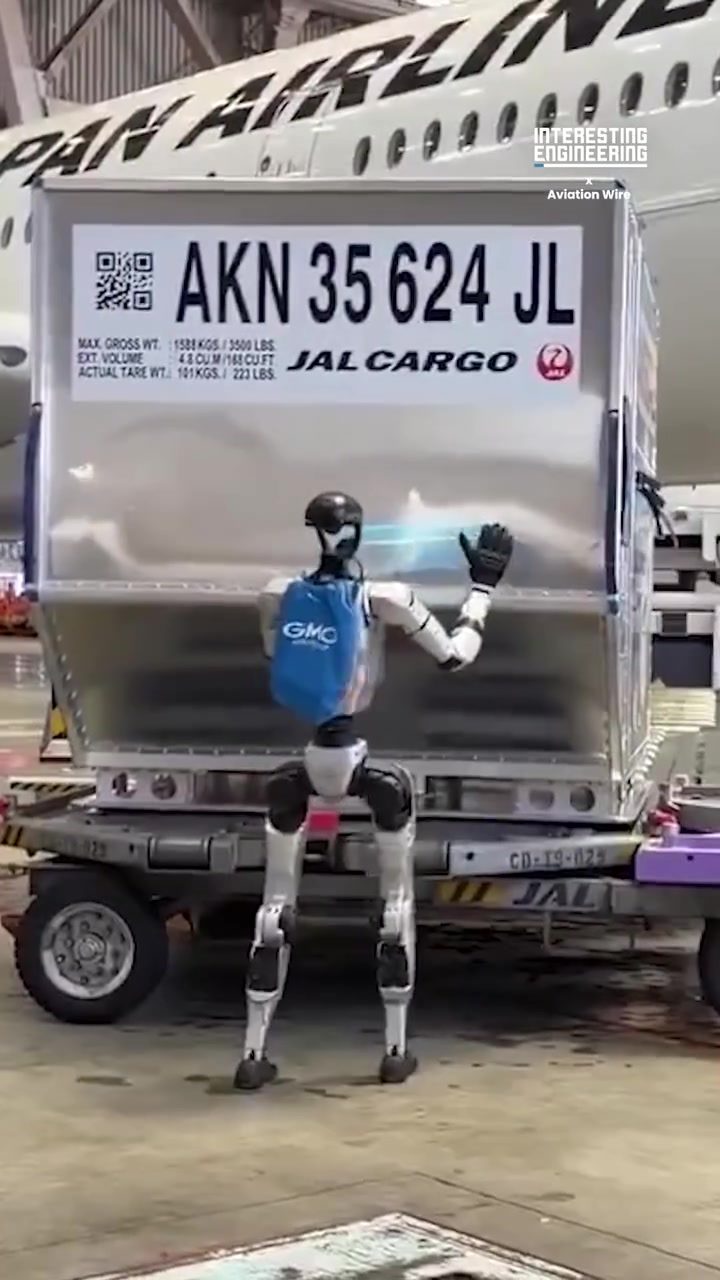
Robotic Cargo Handling at Haneda Airport
Cargo handling robots are playing an increasingly important role in modern industrial automation, ensuring the smooth operation of airports and logistics centers. Japan's Haneda Airport is one of the latest to embrace this technology, with plans to integrate kid-sized Unitree G1s and adult-sized UBTECH Walker E robots to manage baggage and cargo.
Context: Why Robotic Cargo Handling Matters
Japan's booming tourism industry places significant demands on its airports, particularly Haneda, which serves as a major hub for both international and domestic flights. The efficient handling of cargo and baggage is crucial for maintaining smooth operations and minimizing delays. Robotic solutions offer a promising avenue for enhancing efficiency and reliability in this process.
Enhanced Efficiency
One of the primary advantages of robotic cargo handling is the significant boost in efficiency. Robots can operate continuously without the need for breaks, providing a consistent level of productivity. They can handle repetitive tasks with precision, reducing the risk of human error and speeding up the loading and unloading processes. For example, the humanoid robot seen maneuvering a large cargo container on a trailer showcases the potential for streamlined operations.
Increased Safety
Another critical benefit is the increased safety that robotic cargo handlers bring to the table. Robots are less susceptible to the physical strains and injuries that humans might encounter when handling heavy cargo. This not only reduces the risk of workplace accidents but also lowers the potential for long-term health issues among human workers.
Autonomous Operations
The robots showcased in the video, such as the Unitree G1s, are designed to operate autonomously. This means they can navigate and perform tasks without constant human supervision, freeing up staff to focus on other critical tasks. Autonomous robots can also be programmed to adapt to various cargo types and sizes, making them versatile tools in a dynamic airport environment.
Main Discussion
Types of Robots in Use
Two types of robots are set to assist at Haneda Airport: the kid-sized Unitree G1s and the adult-sized UBTECH Walker E. Each has unique capabilities that make them suitable for different tasks.
Unitree G1s
The Unitree G1s are designed for agility and flexibility. Their smaller size allows them to navigate through tight spaces and handle smaller cargo items. These robots are ideal for tasks that require precision and dexterity, such as sorting and organizing baggage.
UBTECH Walker E
The UBTECH Walker E robots, on the other hand, are built for heavier lifting and larger cargo. Their robust design and advanced locomotion systems enable them to transport large containers and pallets efficiently. The video demonstrates a humanoid robot effortlessly moving a large cargo container, highlighting the potential of these robots in streamlining airport operations.
Key Applications
The use of robots in cargo handling extends beyond just moving items. They can also play a crucial role in inventory management, tracking, and security.
Inventory Management
Robots equipped with barcode scanners and RFID readers can quickly and accurately track inventory, ensuring that all cargo is accounted for and correctly loaded onto flights. This reduces the risk of lost or misplaced items, enhancing overall operational efficiency.
Security and Surveillance
In addition to their cargo-handling capabilities, these robots can be outfitted with cameras and sensors for security and surveillance. They can monitor the movement of people and goods within the airport, helping to identify and address any potential security threats.
Implementation and Integration
Implementing robotic cargo handling systems requires careful planning and integration. It involves various stages, from initial setup to continuous maintenance and updates.
Initial Setup
The first step is the installation of the robotic systems. This includes setting up the robots themselves, as well as any necessary infrastructure, such as charging stations and communication networks. The robots need to be programmed to recognize and navigate the airport's layout, including specific paths and loading zones.
Continuous Monitoring and Maintenance
Once the robots are operational, they require continuous monitoring and maintenance. Regular updates and inspections ensure that the robots perform optimally and address any potential issues promptly. This includes software updates, mechanical checks, and performance evaluations.
Practical Tips
Best Practices for Integrating Robotic Systems
-
Thorough Planning: Before integrating robotic systems, conduct a thorough assessment of the operational needs and constraints. This includes identifying the types of cargo and the specific tasks the robots will perform.
-
Training and Support: Provide comprehensive training for staff on how to operate and interact with the robots. This ensures smooth integration and effective use of the technology.
-
Regular Maintenance: Schedule regular maintenance checks to keep the robots in optimal condition. This includes both mechanical inspections and software updates.
-
Feedback Loop: Implement a feedback loop to gather data on the robots' performance and make necessary improvements. This continuous improvement process ensures that the robots adapt to changing operational needs.
Important Takeaways
-
Efficiency and Safety: Robotic cargo handling significantly enhances the efficiency and safety of airport operations, reducing delays and the risk of workplace accidents.
-
Versatility: The different types of robots, such as the Unitree G1s and UBTECH Walker E, offer versatility in handling various cargo sizes and types, ensuring robust and adaptable operations.
-
Continuous Improvement: Regular maintenance and updates are essential for maintaining the optimal performance of robotic cargo handling systems, ensuring they continue to meet operational needs.
Conclusion
Robotic cargo handling at Haneda Airport represents a significant step forward in industrial automation. The integration of kid-sized Unitree G1s and adult-sized UBTECH Walker E robots is set to enhance the efficiency and safety of baggage and cargo operations. By leveraging the latest in robotic technology, Haneda Airport aims to ensure smooth operations and meet the demands of Japan's booming tourism industry. As more airports adopt similar technologies, the future of cargo handling looks increasingly automated and efficient.
Watch the Reel
Questions readers ask
What types of robots are being used for cargo handling at Haneda Airport?
Haneda Airport is implementing both kid-sized Unitree G1 robots and adult-sized UBTECH Walker E robots to manage baggage and cargo. These robots are designed to take over repetitive tasks, reducing the need for manual labor and enhancing overall efficiency.
How do robotic solutions improve safety in cargo handling at Haneda Airport?
Robots can take on dangerous and repetitive tasks such as lifting heavy containers and navigating busy airport environments, reducing the risk of injury to human workers. By handling these tasks, robots contribute to a safer workplace for human staff.
Why is robotic cargo handling important for a busy airport like Haneda?
With the demands of Japan's booming tourism industry, efficient cargo handling is vital for smooth operations and minimizing delays. Robots can streamline logistics, manage increased workloads, and ensure that baggage and cargo are processed quickly and accurately.
What specific tasks do the cargo handling robots at Haneda Airport perform?
The robots at Haneda Airport are tasked with managing baggage and cargo, which includes transporting items, lifting and moving heavy containers, and navigating the airport’s logistics infrastructure. These tasks are crucial for maintaining the flow of goods and minimizing delays.
How does the use of robots in cargo handling benefit airport logistics in general
Robots enhance airport logistics by automating repetitive and labor-intensive tasks, ensuring consistent performance, and reducing the likelihood of human error. This leads to increased operational efficiency, reduced costs, and improved overall service quality for passengers and cargo handlers alike.
What are the future implications of increased robotics in cargo handling at Haneda and other airports?
The successful implementation of robotic systems at Haneda Airport could lead to broader adoption in the aviation industry. This could result in more efficient and safer cargo handling practices, setting new standards for logistics automation and potentially inspiring similar innovations in other industries.
Are there any other airports considering similar robotic implementations for cargo handling?
While specific details may vary, the trend of integrating robotics in airport logistics is growing globally. Many major airports around the world are exploring similar technologies to enhance efficiency, safety, and overall operational performance, following the successes seen in places like Haneda.
Related deep dives
Similar reads based on topic and creator.


Recent articles
Fresh deep dives from the latest Reels we unpacked.




Comments
Be the first to comment.