Robotic Milking Systems in Dairy Farming
Robotic milking systems are revolutionizing the dairy industry by automating one of the most labor-intensive tasks on a farm: milking cows. These systems use advanced technology to streamline the milking process, improving efficiency and reducing the need for manual labor. One prominent brand in this field is DeLaval, known for its innovative robotic milking machines.
Context / Why this matters
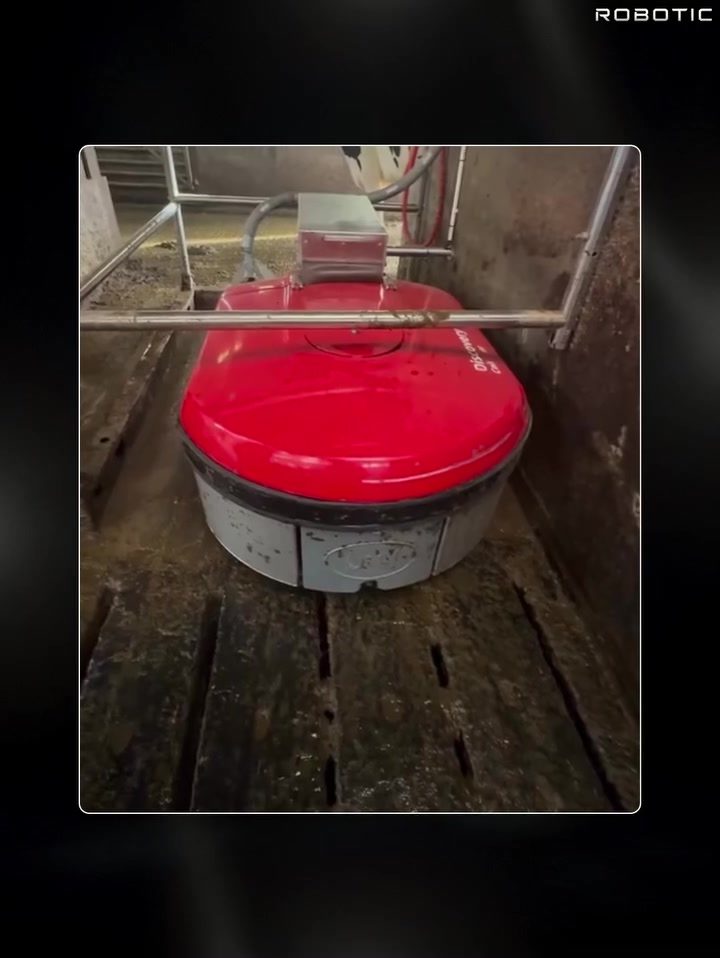
Maintaining a clean dairy barn is a critical aspect of dairy farming. The Lely Discovery Collector, an autonomous manure collection robot, exemplifies how agricultural robotics is transforming the industry. This robotic system uses a vacuum system to remove cow waste from barn floors, navigating automatically and recharging wirelessly. This not only reduces manual labor but also helps maintain cleaner, more hygienic conditions, which are essential for animal welfare and operational efficiency.
Main discussion
The Role of Robotic Milking Systems
Robotic milking systems like DeLaval's are designed to operate in various challenging environments, including muddy and uneven barn floors. These machines are built to navigate through such conditions effortlessly, ensuring that the milking process is not disrupted. The automated process involves the machine approaching cows for milking, which significantly reduces the need for human intervention. This automation not only saves labor but also allows for more consistent and regular milking schedules, which can improve the overall health and productivity of the cows.
Key Features of Robotic Milking Machines
Automated Navigation
One of the standout features of robotic milking machines is their ability to navigate through challenging environments. For instance, DeLaval's robotic milking machine operates effectively in muddy conditions, making it suitable for outdoor and indoor barn setups. This feature ensures that the milking process can continue uninterrupted, regardless of the environmental conditions.
Efficient Milking Process
The automated milking process involves the machine approaching cows for milking. This is a significant departure from traditional methods, where farmers had to manually milk each cow. The automated process is not only more efficient but also less stressful for the cows, as it reduces the need for human handling. This can lead to improved animal welfare and higher milk production.
Enhanced Cleanliness
Maintaining a clean dairy barn is crucial for the health of the cows and the quality of the milk. Robotic milking machines like DeLaval's are designed with features that help maintain a hygienic environment. The machines are equipped with systems that ensure cleanliness during the milking process, reducing the risk of contamination and infections.
The Benefits of Robotic Milking Systems
Improved Efficiency
One of the primary benefits of robotic milking systems is the improved efficiency they bring to dairy farming. The automated process allows for more consistent and regular milking schedules, which can lead to higher milk production and better overall farm productivity. Additionally, the reduced need for manual labor means that farmers can focus on other critical aspects of their operations.
Enhanced Animal Welfare
Robotic milking systems are designed with the welfare of the cows in mind. The automated process reduces the need for human handling, which can be stressful for the cows. This leads to a more relaxed and comfortable environment for the animals, which can improve their overall health and productivity.
Increased Hygiene
Maintaining a clean and hygienic environment is crucial for dairy farming. Robotic milking machines are equipped with features that help maintain a clean environment, reducing the risk of contamination and infections. This not only improves the health of the cows but also ensures the quality of the milk produced.
Practical Tips for Implementing Robotic Milking Systems
-
Assess Your Needs: Before investing in a robotic milking system, it's essential to assess your farm's needs and resources. Consider factors such as the size of your herd, the layout of your barn, and your budget. This will help you choose a system that best fits your needs.
-
Choose the Right System: There are various robotic milking systems available on the market, each with its unique features and benefits. Research different options and choose a system that best fits your needs. Look for systems that are known for their reliability and efficiency.
-
Train Your Staff: Even though robotic milking systems automate the milking process, they still require human oversight and maintenance. Ensure that your staff is properly trained to operate and maintain the system. This will help ensure that the system runs smoothly and efficiently.
-
Monitor Performance: Regularly monitor the performance of your robotic milking system to ensure that it is operating efficiently. Look for signs of wear and tear and address any issues promptly. This will help extend the lifespan of the system and ensure that it continues to perform effectively.
Important Takeaways
Robotic milking systems are transforming the dairy industry by automating the milking process, improving efficiency, and enhancing animal welfare. With features like automated navigation, efficient milking processes, and enhanced cleanliness, these systems are becoming an essential tool for modern dairy farming. By understanding the benefits and practical tips for implementing these systems, farmers can take full advantage of the technology and improve their overall operations.
Conclusion
Robotic milking systems, exemplified by brands like DeLaval, are revolutionizing dairy farming by automating the milking process. These systems offer numerous benefits, including improved efficiency, enhanced animal welfare, and increased hygiene. As agricultural robotics continues to advance, these systems are becoming an essential tool for dairy farmers looking to improve their operations and stay competitive in the industry. By investing in a robotic milking system, farmers can take advantage of the latest technology and transform their dairy operations for the better.
Watch the Reel
Questions readers ask
How do robotic milking machines work?
Robotic milking machines use advanced navigation and vacuum systems to automate the process of milking cows. The machines detect when a cow is ready to be milked, gently wash and stimulate the cow's udders, and then attach the milking cups to extract milk. This process not only reduces the need for manual labor but also ensures a consistent and hygienic milking routine.
What are the benefits of using robotic milking machines on a dairy farm?
Robotic milking machines offer several benefits, including reduced manual labor, improved milking efficiency, and consistent animal welfare. They can operate 24/7, allowing cows to be milked at their convenience, which can lead to increased milk production and improved cow health. Additionally, these systems help maintain clean and hygienic conditions on the farm.
What is the Lely Discovery Collector and how does it contribute to farm automation?
The Lely Discovery Collector is an autonomous manure collection robot that enhances farm automation by automatically removing cow waste from barn floors using a vacuum system. This robot navigates independently, recharges wirelessly, and ensures a clean environment, thereby improving overall farm hygiene and reducing the spread of diseases.
How do robotic milking systems improve animal welfare?
Robotic milking systems improve animal welfare by allowing cows to be milked at their own pace and ensuring a consistent, gentle milking process. The automated systems reduce stress on the cows by minimizing human handling and providing a clean, comfortable environment, which can lead to healthier, more productive animals.
What kinds of robotic systems are available for dairy farm automation?
There are various robotic systems available for dairy farm automation, including robotic milking machines, autonomous manure collection robots, and automated feeding systems. These systems work together to streamline farm operations, reduce manual labor, and create a more efficient and hygienic environment. Some prominent brands in this field include DeLaval and Lely.
How do robotic milking machines contribute to farm efficiency?
Robotic milking machines contribute to farm efficiency by automating the milking process, which allows farm workers to focus on other essential tasks. These machines operate continuously, ensuring that cows are milked promptly and efficiently. This not only increases milk production but also helps maintain a clean and organized farm environment, thereby improving overall farm management.
What factors should I consider when implementing robotic milking systems on my dairy farm?
When implementing robotic milking systems, consider factors such as the size of your herd, the layout of your barn, and your farm's specific needs. It's also important to evaluate the cost of the system, the potential return on investment, and the level of maintenance required. Consulting with a farm automation specialist can help you make an informed decision and ensure a smooth transition to automated milking.
Related deep dives
Similar reads based on topic and creator.




Recent articles
Fresh deep dives from the latest Reels we unpacked.




Comments
Be the first to comment.