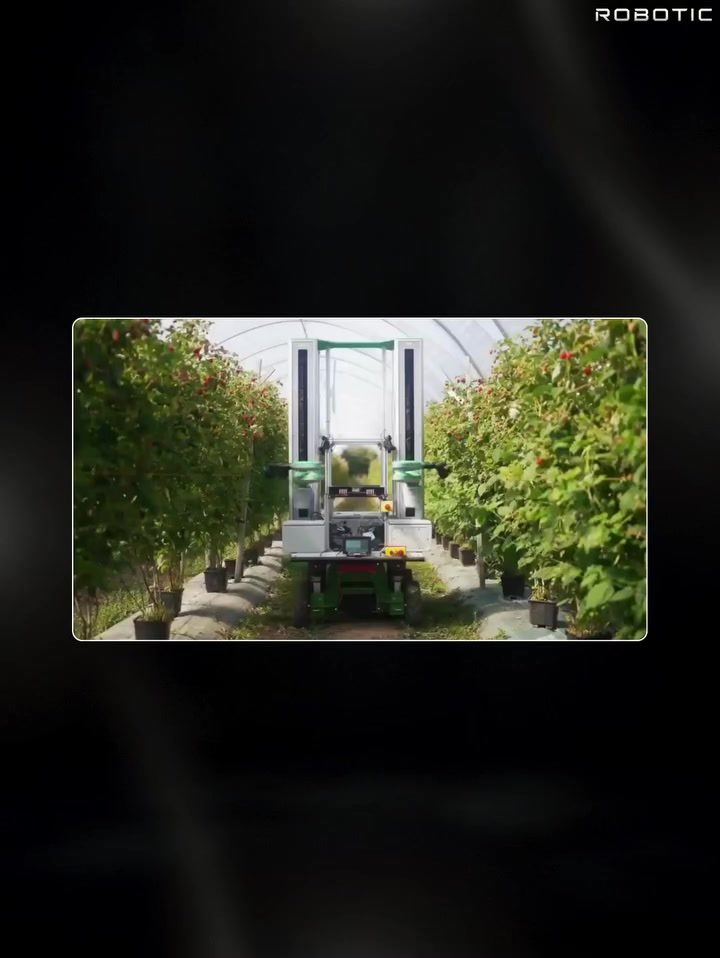
Robotic Harvesting
Robotic harvesting represents a revolutionary advancement in agricultural technology, particularly in handling delicate tasks like picking berries. Traditional harvesting methods, especially for delicate crops like raspberries, have long presented challenges for automation. However, companies like Fieldwork Robotics are pioneering solutions that leverage artificial intelligence (AI) and robotics to revolutionize this sector.
Why This Matters
Agricultural labor shortages and the need for increased efficiency are driving the adoption of advanced harvesting technologies. Robotic harvesting systems are not just about automating repetitive tasks; they are about addressing critical labor issues and improving the overall quality and efficiency of harvesting processes. For growers, these advancements mean being able to handle delicate crops with precision, reducing waste, and sustaining productivity even in the face of labor shortages.
Main Discussion
The Role of AI in Agricultural Robotics
AI-powered computer vision and precision robotic arms are at the core of modern harvesting systems. These technologies enable machines to identify ripe fruits, pick them without damage, and work at speeds comparable to human workers. The integration of AI allows these robots to perform tasks that were previously thought to be too delicate for automation, such as harvesting raspberries.
For instance, Fieldwork Robotics' harvesting robot uses advanced AI algorithms to distinguish between ripe and unripe raspberries. The precision of the robotic arms ensures that the fruits are picked without bruising or damaging them, which is crucial for maintaining the product's quality and market value.
Implementation and Impact
Robotic harvesting is being implemented not only in open fields but also in greenhouses. The controlled environment of greenhouses provides an ideal setting for these advanced machines to operate. The machines move along rows of plants, using their robotic arms to carefully pick the ripe fruits. The automation of this process reduces the need for human labor and increases the efficiency of the harvesting operation.
One of the key benefits of robotic harvesting is the ability to address labor shortages. With a growing demand for agricultural produce and a shrinking workforce, growers are increasingly turning to automation to ensure that their crops are harvested in a timely and efficient manner. Robotic harvesting systems can work continuously, regardless of weather conditions, and can be deployed to handle peak harvesting seasons when labor is most scarce.
Advancements in Precision and Efficiency
The precision of robotic harvesting systems is a game-changer in the agricultural industry. These machines are equipped with sophisticated sensors and AI algorithms that allow them to navigate through crop rows with high accuracy. The robotic arms can mimic the delicate touch of human hands, ensuring that fruits are picked without damage. This precision not only improves the quality of the harvested produce but also reduces waste, as fewer fruits are lost to damage or spoilage.
Moreover, the efficiency of robotic harvesting systems is unmatched by human labor. These machines can work at speeds comparable to human workers, but without the need for rest or breaks. This continuous operation means that more crops can be harvested in a shorter period, significantly increasing overall productivity.
Practical Tips
For Growers Considering Robotic Harvesting
If you are a grower considering the adoption of robotic harvesting systems, there are several factors to consider:
- Evaluate Your Crop: Not all crops are suitable for robotic harvesting. Assess whether your crop type and growing conditions are compatible with existing robotic systems.
- Invest in Training: While the machines are designed to be user-friendly, it is still essential to invest in training for your staff to ensure smooth operation and maintenance.
- Start Small: If possible, start with a pilot project to test the effectiveness of the robotic harvesting system in your specific conditions before scaling up.
- Consider the Long-Term Benefits: While the initial investment may be high, consider the long-term benefits in terms of increased efficiency, reduced labor costs, and improved crop quality.
Maintaining Robotic Systems
Maintenance is crucial for the long-term success of robotic harvesting systems. Regular checks and updates ensure that the machines operate at peak efficiency. It is also important to stay updated with the latest advancements in AI and robotics, as new technologies can significantly enhance the capabilities of your harvesting systems.
Important Takeaways
Robotic harvesting is transforming the agricultural landscape by addressing labor shortages, improving harvesting efficiency, and ensuring the quality of delicate crops. The integration of AI-powered computer vision and precision robotic arms is making it possible to automate tasks that were previously considered too delicate for machines. As these technologies continue to advance, we can expect to see even more sophisticated solutions that will further revolutionize the agricultural industry.
Conclusion
The future of agricultural harvesting lies in the hands of technology. Robotic harvesting systems, equipped with AI and precision robotic arms, are paving the way for a more efficient and sustainable agricultural sector. By leveraging these advancements, growers can address labor shortages, improve the quality of their produce, and enhance overall productivity. As the technology continues to evolve, the possibilities for innovation in agricultural robotics are endless.
Watch the Reel
Questions readers ask
How does AI improve the precision of berry harvesting?
AI enhances precision in berry harvesting by using advanced algorithms to identify ripe berries, reduce waste and ensure the best quality. It also helps in optimizing the harvesting routes and minimizing damage to the plants and fruits.
What challenges do traditional berry harvesting methods face?
Traditional berry harvesting methods often struggle with labor shortages and the delicate nature of the crops. Ripe berries can be easily bruised or damaged during the manual picking, leading to reduced yield and quality. Additionally, the labor-intensive nature of the work makes it difficult to find enough workers, especially during peak harvesting seasons.
Which companies are leading in the development of robotic berry harvesting systems?
Companies like Fieldwork Robotics are at the forefront of developing robotic harvesting systems. They utilize AI and robotics to create machines that can carefully pick berries without causing damage, addressing the critical labor issues and enhancing the overall efficiency of the harvesting process.
How do autonomous harvesting systems address labor shortages in farming?
Autonomous harvesting systems help mitigate the impact of labor shortages by providing a consistent and reliable workforce. These systems can operate continuously, reducing the dependency on human labor, and ensuring that crops are harvested in a timely and efficient manner, which is particularly beneficial in regions experiencing labor shortages.
What benefits do AI-powered farming technologies offer to berry farmers?
AI-powered farming technologies offer several benefits, including increased efficiency, enhanced precision, and improved crop quality. They can handle delicate crops with care, reduce waste, and optimize harvesting processes, leading to higher yields and better returns for farmers.
Can robotic harvesting systems work with other types of crops besides berries?
Yes, robotic harvesting systems can be adapted for other types of crops as well. While the article focuses on berries, the principles of AI and robotics can be applied to a variety of crops, including fruits, vegetables, and other delicate produce. The key is customizing the technology to meet the specific needs of each crop and farming environment.
Related deep dives
Similar reads based on topic and creator.




Recent articles
Fresh deep dives from the latest Reels we unpacked.




Comments
Be the first to comment.